
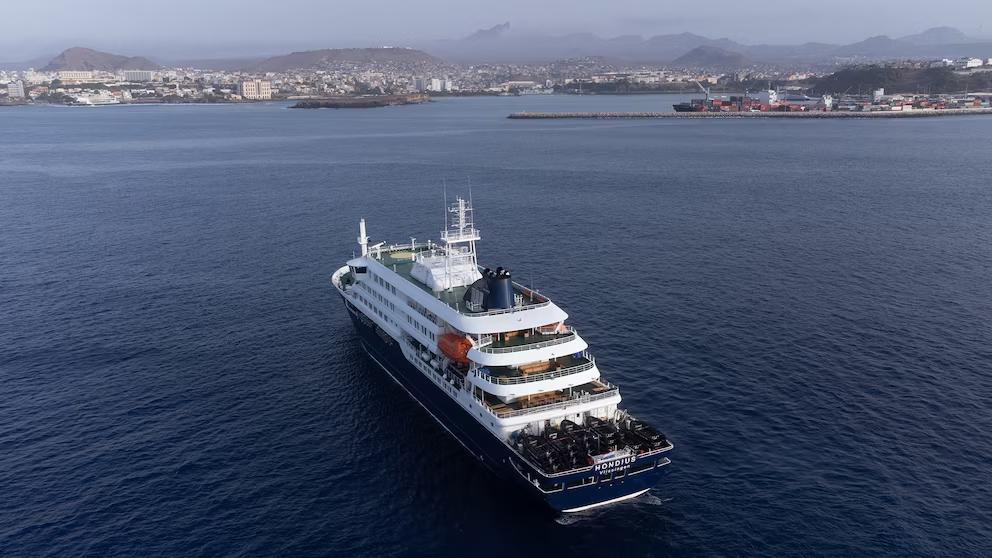
This overhead shot illustrates an encompassing view of the cruise vessel MV Hondius at rest just outside Praia’s harbor, the capital city of Cape Verde, dated May 5, 2026.AFP via Getty Images
A disease expert from the World Health Organization (WHO) suggested that some person-to-person transmission is possible in the suspected hantavirus occurrence on a cruise liner.
As of Monday, seven instances have been documented on the MV Hondius, with two verified by a laboratory and five under suspicion. Within those seven, there have been three mortalities, which includes a married couple from the Netherlands, with one spouse confirmed to have contracted hantavirus.
"We certainly think that there may be some transmission among individuals occurring via close proximity, particularly among spouses, those sharing cabins, [and so on]," expressed Maria Van Kerkhove, a specialist in infectious disease epidemiology and the head of Epidemic and Pandemic Management at the WHO, during a press briefing on Tuesday.
"Thus, our presumption is that it has taken place, which is why we are proceeding and collaborating with the ship to guarantee that every person displaying symptoms, or providing care, is fully equipped with personal protective gear," she further stated.
Van Kerkhove mentioned that typically, hantaviruses aren’t passed from one person to another because it’s a "rodent-borne disease." Individuals usually become infected through contact with rodent waste like urine, droppings, or saliva, as per the WHO.
Van Kerkhove also noted that the initial individuals to get sick might have caught the virus before embarking on the vessel.
Indications of hantavirus infections might take up to eight weeks to manifest post-exposure to the virus, according to the Centers for Disease Control and Prevention.
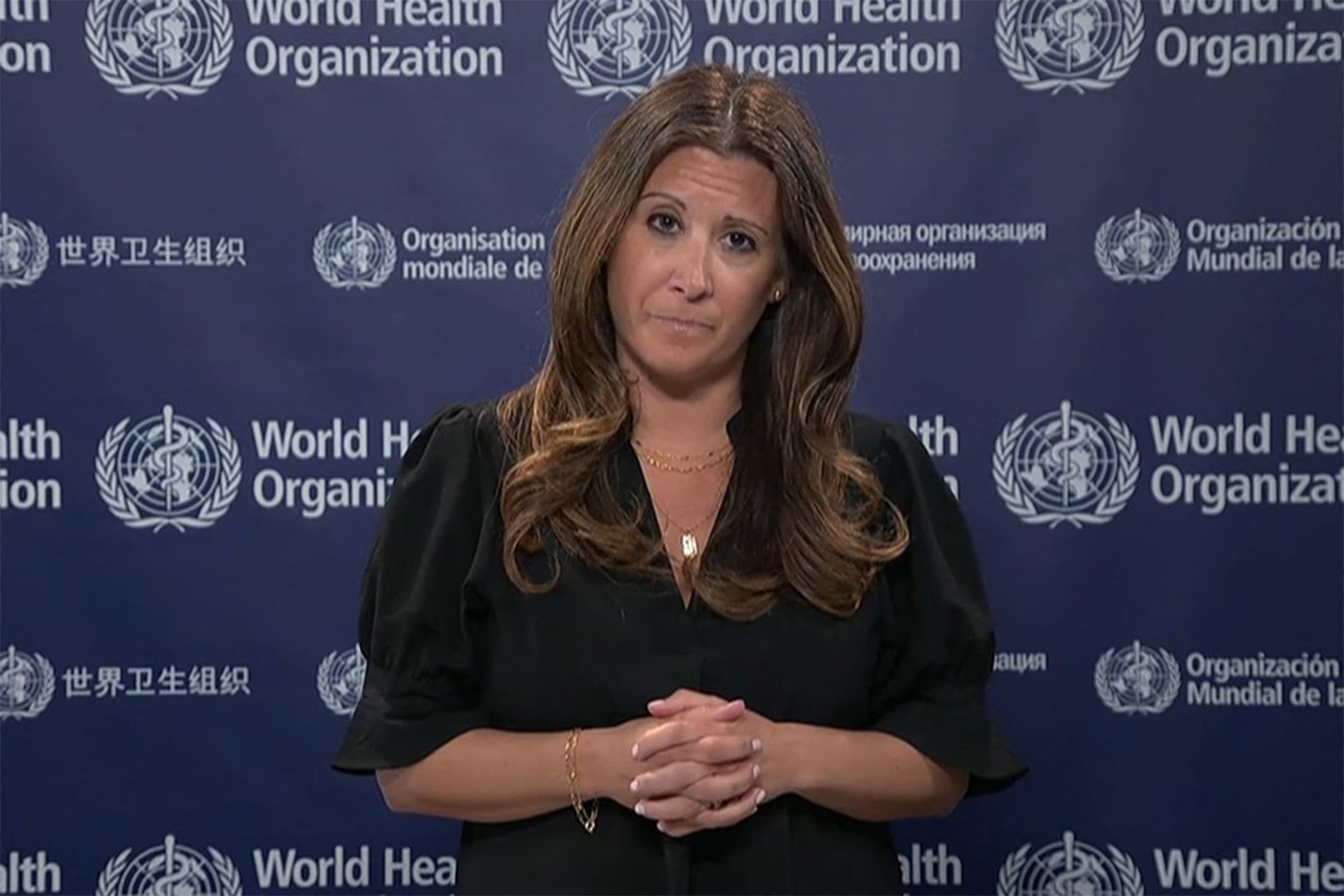
WHO epidemic and pandemic preparedness and prevention chief Maria Van Kerkhove speaking regarding hantavirus cases at the WHO heaquarters in Geneva, May 4, 2026.World Health Organization/AFP via Getty Images
The WHO is operating on the premise that the Andes virus is the specific hantavirus variant involved in the suspected outbreak. This virus has historically exhibited potential for inter-human transmission, though sequencing analysis remains underway, according to Van Kerkhove.
According to a statement posted on its website, the WHO reported that the onset of sicknesses on the MV Hondius happened between April 6 and April 28. Sufferers experienced symptoms such as fever, digestive issues, swift development of pneumonia, severe respiratory distress, and shock.
"The containment of this outbreak is happening through a collaborative global effort, involving detailed examinations, patient isolation and treatment, medical transport, and lab analyses," the WHO communicated in its announcement.
WHO Director-General Dr. Tedros Ghebreysus conveyed in a post on X this Tuesday that the threat to the global community is minimal, and the agency will persistently monitor the circumstances and furnish ongoing updates.
Chronology of Occurrences
The first assumed instance of hantavirus transpired with a 70-year-old male passenger from the Netherlands, who began displaying fever, headache, and moderate diarrhea on April 6, according to sources from the WHO and South African health authorities.
By April 11, the individual experienced breathing difficulties and passed away onboard the vessel that same day. His remains were taken off the ship to St. Helena, a British territory, on April 24. The WHO stated that the man did not undergo any microbiological examinations.
Furthermore, on April 24, the male passenger's 69-year-old spouse developed digestive symptoms, as reported by health officials. Her well-being quickly deteriorated during a flight to Johannesburg, South Africa, on April 25, and she died upon reaching an emergency room the following day, as noted by the WHO.
On Monday, May 4, laboratory assessments verified that the wife was indeed afflicted with hantavirus.
Healthcare professionals have commenced efforts to identify any individuals who may have interacted with the couple. The WHO reports that the couple had traveled throughout South America, including Argentina, prior to joining the cruise ship on April 1.
During Tuesday's media address, Van Kerkhove commented that authorities suspect the couple contracted hantavirus before getting on the ship.
"The original cases, the primary patient and his wife, boarded the ship in Argentina. Given the time frame of hantavirus’s incubation, which can range from one to six weeks, we presume they were infected somewhere other than on the ship, perhaps during activities there," she elucidated.
A passenger from Britain began exhibiting symptoms on April 24, encompassing shortness of breath and indications of pneumonia, according to information from the WHO and South African health authorities.
His condition worsened, and he was evacuated for medical reasons from Ascension, another British territory, to South Africa on April 27. As of now, he remains hospitalized in an intensive care unit. The WHO stated that laboratory assessments validated hantavirus contamination over the prior weekend.
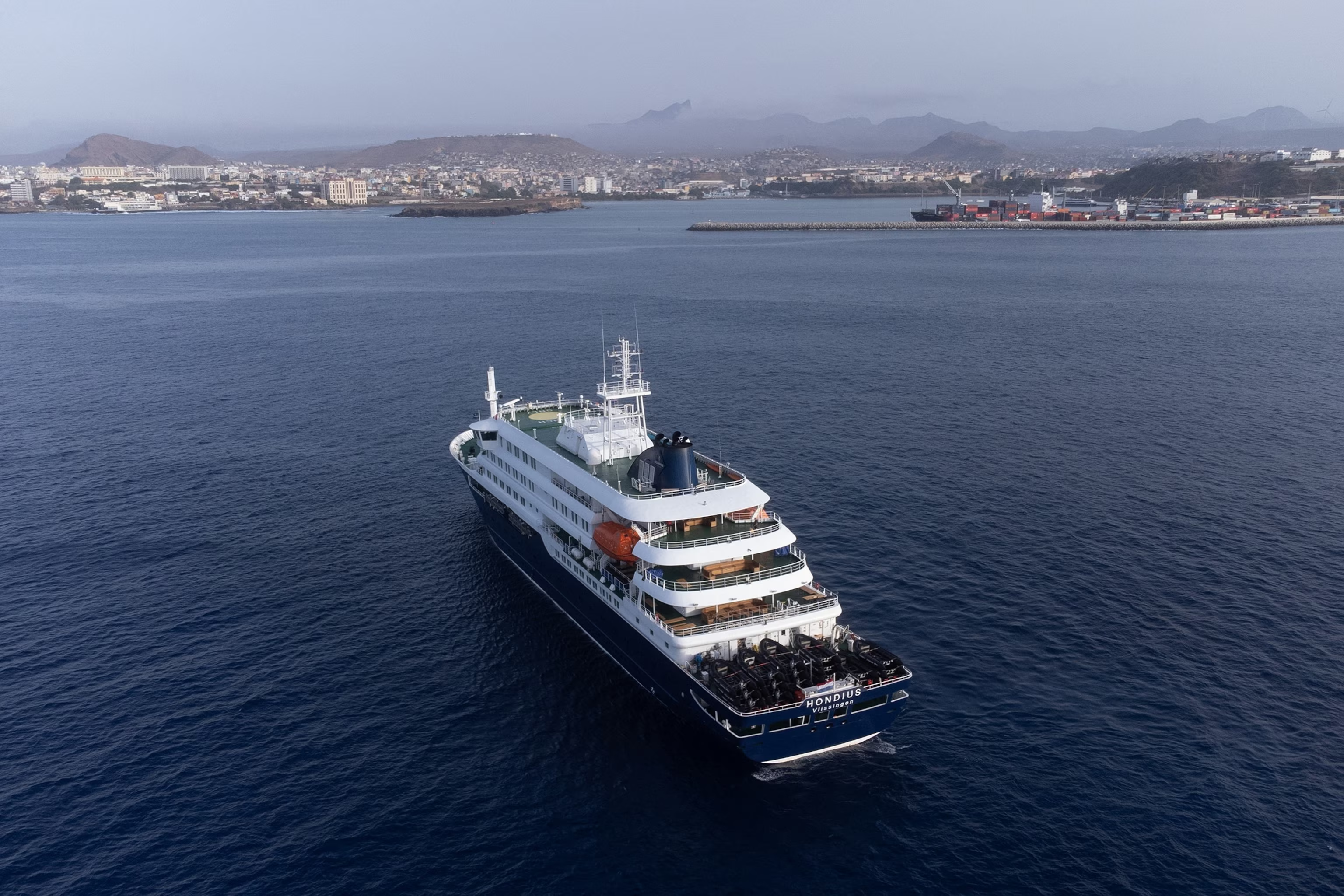
This aerial picture shows a general view of the cruise ship MV Hondius stationary off the port of Praia, the capital of Cape Verde, on May 5, 2026.AFP via Getty Images
Another traveler, an adult female, started feeling symptoms on April 28, which included a general sense of discomfort, as the WHO reported. She eventually displayed pneumonia and passed away on May 2. Oceanwide Expeditions, the company that runs the cruise ship, had previously shared that this person was a citizen of Germany.
Moreover, there are three alleged instances currently existing onboard the MV Hondius, reporting symptoms of high fever and/or gastrointestinal problems, according to the WHO. The ship is presently situated off the coastline of Cape Verde, where healthcare teams present in the region are analyzing the sufferers and gathering supplementary samples for evaluation, as the WHO informed.
Van Kerkhove emphasized that the utmost concern is to medically move those with symptoms onboard the ship so they can get the required medical care.
"The present strategy is for the ship to proceed towards the Canary Islands. We are in discussion with Spanish authorities, who will receive the ship, indicating their welcome to conduct a thorough investigation, a complete epidemiological assessment, comprehensive disinfection of the ship, and to evaluate the risk posed to the passengers currently on the ship," she stated.
Sourse: abcnews.go.com