
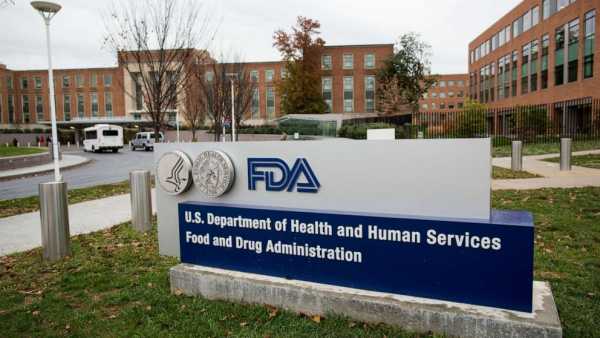
The U.S. Food and Drug Administration’s central office is pictured in White Oak, Maryland.Al Drago/CQ Roll Call via Getty Images, FILE
The Food and Drug Administration (FDA) gave its approval to Auvelity this week to address agitation among adult patients experiencing Alzheimer’s dementia.
This sustained-release tablet marks the first FDA-endorsed pharmaceutical for this ailment that isn’t classified as an anti-psychotic.
Anti-psychotics pose noteworthy hazards, including strokes, sleepiness, and amplified mortality in older individuals, as noted by the FDA. Possessing a non-antipsychotic alternative could offer a more secure route for those affected, according to authorities.
"We've been in want of a medication of this kind for many years, due to the fact that agitation linked to Alzheimer's ailment stands out as one of the most difficult and disheartening symptoms we address," Dr. Richard Issacson, the research director at the Institute of Neurodegenerative Diseases in Florida, conveyed to ABC News. "This novel medication would be employed because its tolerability is improved."
Auvelity initially received approval from the FDA back in 2022 for the management of major depressive disorder in adults. It features a boxed warning regarding an elevated likelihood of suicidal ideation among adolescents and young adults undergoing antidepressant therapy.
However, a pair of recent, randomized clinical investigations indicated that the drug ameliorated agitation manifestations in dementia and Alzheimer’s sufferers, based on caregiver assessments and survey findings, and contributed to delaying relapse relative to a placebo.
The Food and Drug Administration headquarters is shown in White Oak, Md.Al Drago/CQ Roll Call via Getty Images, FILE
Research reveals that the drug functions by influencing brain chemicals, like glutamate and dopamine, to aid in soothing amplified signaling within the brain, associated with agitation. Documented side effects encompass lightheadedness, queasiness, headache, oral dryness, perspiration, and loose stool.
The FDA cautions that Auvelity might exacerbate or bring forth suicidal thoughts and actions, notably upon initiating the medication. It could also intensify irritability or mania in certain individuals. Furthermore, it has been associated with an increased potential for seizures, particularly when administered at higher dosages, and might elevate blood pressure readings.
Medical professionals ought to vigilantly monitor patients both when commencing this therapy and throughout the entirety of the treatment, as per experts’ recommendations.
As of 2026, approximately 7.4 million individuals in the U.S. aged 65 and above are grappling with Alzheimer’s dementia, according to the Alzheimer’s Association. This figure is anticipated to escalate to 13.8 million by the year 2060.
Agitation emerges as one of the more prevalent and troublesome manifestations for individuals affected by Alzheimer’s dementia. A JAMA Neurology study ascertained that 50 to 60% of individuals with Alzheimer’s undergo agitation symptoms at some juncture.
Research has demonstrated that agitation correlates with an elevated likelihood of swift cognitive deterioration and mortality. It also constitutes a primary catalyst for premature placement in nursing homes and hospitalization, and it is notably entwined with heightened caregiver strain and depression.
Issacson communicated that there exists a necessity for amplified optimism for Alzheimer’s patients, as well as their relatives.
"We are also cognizant that it transcends the realm of medications alone. Individuals can partake in physical activity, adopt a healthful way of life, adhere to a Mediterranean-inspired dietary regimen, and address risk determinants like blood pressure, cholesterol, and diabetes," Issacson stated. "Individuals truly possess the capacity to assume command of their cognitive well-being, diminish their susceptibility to Alzheimer’s, and attain enhanced treatment results. Hope endures, and a plethora of educational resources and information now abounds online. I believe we are achieving substantial strides forward."
Dr. Crystal Joseph, MD, MS currently serves as an anesthesiology resident at Beth Israel Deaconess Medical Center/Harvard Medical School and is a part of the ABC News Medical Unit.
Sourse: abcnews.go.com