
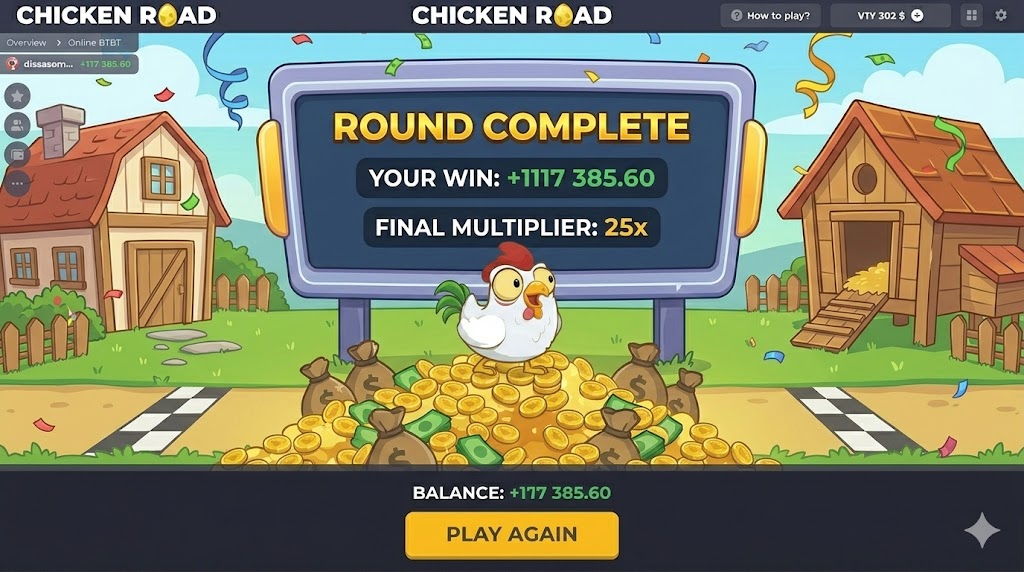
The world of online entertainment is currently witnessing a massive transformation as the boundaries between casual gaming and real-money stakes continue to blur. For years, the industry was dominated by “autoplay” mechanics, where a user would simply click a button and wait for a pre-determined outcome. Today, however, a more proactive audience is seeking experiences that reward reflexes and intuition, leading to the explosive rise of the “Crash” game genre.
At the forefront of this movement is a new generation of titles that prioritize player agency over passive observation. These games allow participants to decide exactly when to exit a round, effectively putting them in the driver’s seat of their own risk management. This shift has turned digital hobbies into high-stakes psychological battles, where the player’s own “stop” finger is the only thing standing between a massive win and a total loss.
From Autoplay to Active Decision-Making
The transition from traditional slots to interactive crash mechanics represents a fundamental change in how modern gamers consume content. In the past, the entertainment value was found in the visual spectacle of the spin, but today’s players find joy in the “choose-your-own-adventure” style of gambling. This active involvement satisfies a deeper desire for control, making the gaming session feel more like a skill-based challenge than a simple game of luck.
By moving away from static reels, developers have tapped into the same dopamine loops found in popular mobile apps and competitive eSports. The ability to react in real-time to a climbing multiplier creates a level of engagement that “autoplay” features simply cannot match. It is this demand for interactivity that has paved the way for the massive popularity of the chicken road experience among general entertainment seekers.
Fun Graphics vs. The Tension of Real Stakes
One of the most fascinating aspects of this new wave is the juxtaposition of lighthearted, vibrant aesthetics with the undeniable tension of real financial stakes. A prime example is the use of “The Chicken”—a whimsical character that navigates a hazardous environment. While the cartoonish art style suggests a low-pressure environment, the reality is a high-octane experience where every step the character takes represents a potential increase in the player’s bankroll.
This contrast serves a specific purpose: it makes the entry point for newcomers feel welcoming and non-threatening. However, once the round begins, the whimsical nature of chicken road quickly fades into the background, replaced by the intense focus required to navigate the risk-ladder. This balance of “fun” and “fear” is what keeps players coming back, as it provides a unique emotional roller coaster that traditional casino games often lack.
Key Features: UI, Mobile, and the “Stop” Button
The success of the chicken road game is largely attributed to its streamlined user interface and “mobile-first” philosophy. Recognizing that most casual gamers play during short breaks or on the go, the developers ensured that the UI is clean, intuitive, and responsive on any screen size. There are no cluttered menus or complex rules to memorize; the goal is immediately apparent from the moment the app loads.
The most critical feature, however, is the “Stop” button mechanic. This interactive element is the heart of the gameplay, allowing players to cash out their accumulated multipliers at any micro-second. This creates a tactile sense of control that is essential for the modern gaming experience. The feeling of “beating the clock” by hitting the stop button just before a hazard appears provides a rush of satisfaction that is central to the game’s appeal.
- Mobile Compatibility: Designed for seamless play on smartphones and tablets without loss of graphical quality.
- Intuitive Interface: A minimal learning curve ensures that even total beginners can start playing immediately.
- The Manual Cash-Out: The core mechanic that gives players the power to secure their profits in real-time.
- Provably Fair Technology: Advanced algorithms that allow players to verify the randomness and fairness of every round.
Managing Payouts and Multiplier Growth
To truly enjoy the chicken road experience, players must understand the mechanics of multiplier growth and how it interacts with their bankroll. Unlike fixed-payout games, the rewards here grow exponentially the longer a player stays in the round. While it is tempting to chase the highest possible multiplier, the most successful players are those who treat the game as a marathon rather than a sprint.
Effective bankroll management is the secret to longevity in the crash game genre. Because volatility can be high, experts suggest setting clear “exit targets” before a round even begins. By understanding the math behind the multipliers, players can balance their desire for a big win with the necessity of preserving their capital. This strategic layer adds a hobbyist depth to the game, rewarding those who take the time to study their own playstyle.
- Set a Target Multiplier: Decide on a “safe” exit point (e.g., 1.5x or 2x) to build a consistent bankroll.
- Use Small Stakes for Exploration: Test different paths and hazard levels with smaller amounts before committing to larger plays.
- Avoid Emotional Chasing: If a round ends abruptly, stick to your pre-defined strategy rather than trying to “win it back” instantly.
- Track Your Progress: Keep an eye on your win/loss ratio to adjust your risk level over time.