
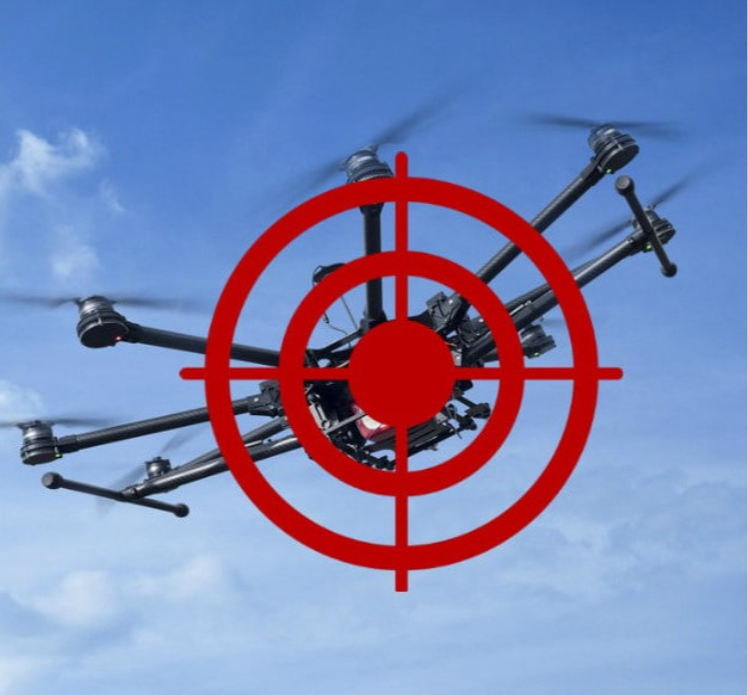
The proliferation of unmanned aerial vehicles has transformed industries worldwide, offering unprecedented opportunities for innovation and efficiency. Drones now serve vital roles in agriculture, construction, emergency response, and entertainment. However, this technological revolution has brought significant security challenges that demand immediate attention and sophisticated solutions.
Unauthorized drones pose multifaceted threats to modern society. They can breach secure perimeters, conduct surveillance on sensitive facilities, and compromise personal privacy. Criminal organizations exploit drones for smuggling drugs into prisons, while hostile actors use them to gather intelligence on critical infrastructure. Perhaps most alarmingly, drones have been weaponized in conflict zones and terrorist attacks, demonstrating their potential for causing serious harm.
The aviation industry faces particular vulnerability. Near-miss incidents between drones and commercial aircraft have increased dramatically, with several major airports experiencing costly shutdowns due to drone sightings. These disruptions affect thousands of passengers and generate millions in economic losses, highlighting the urgent need for effective countermeasures.
To address these evolving threats, organizations worldwide are implementing advanced anti drone system technology. These comprehensive solutions integrate multiple detection and mitigation capabilities into unified platforms that provide robust airspace protection.
Detection represents the first critical layer of defense. Modern systems combine various sensor technologies to create complete situational awareness. Radar arrays detect physical objects, while radio frequency analyzers identify drone control signals. Acoustic sensors recognize distinctive propeller sounds, and electro-optical cameras with machine learning algorithms provide visual confirmation and classification of aerial threats.
Once detected, threat assessment protocols determine the appropriate response. The anti drone system analyzes flight patterns, identifies drone models, and evaluates potential risks in real-time. This intelligence enables operators to make informed decisions about engagement strategies.
Mitigation techniques range from passive to active interventions. Radio frequency jamming disrupts command signals, forcing drones into failsafe modes. GPS spoofing manipulates navigation systems to redirect aircraft away from protected areas. Physical capture methods employ net guns or interceptor drones, while high-power microwave weapons disable electronic systems without kinetic impact.
Organizations must consider legal frameworks when deploying counter-drone technologies. Regulations governing airspace authority and electromagnetic spectrum usage vary by jurisdiction, requiring careful compliance planning. Effective implementation balances security requirements with civil liberties and operational constraints.
As drone capabilities advance with improved autonomy, longer flight times, and smaller profiles, defensive systems must evolve accordingly. The future of airspace security lies in artificial intelligence-driven platforms that can predict threats, coordinate responses across multiple sites, and adapt to novel attack vectors.
Investment in anti-drone infrastructure is no longer optional for entities managing sensitive operations or high-value assets. From correctional facilities to corporate campuses, from stadiums to government complexes, comprehensive drone defense has become essential to maintaining security in an increasingly complex aerial environment.