
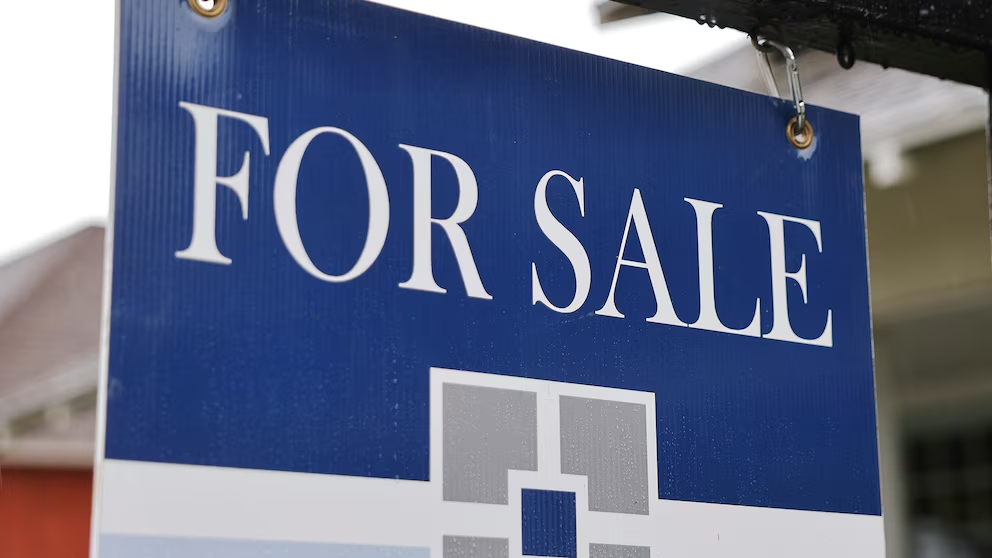
A ‘For Sale’ sign is posted in front of a home for sale, March 5, 2025, in Pasadena, Calif.Mario Tama/Getty Images
Federal Reserve Chair Kevin Warsh contributed to a stock market decline during his inaugural press conference as the head of the central bank.
In remarks made mid-afternoon last Wednesday, Warsh expressed a dedication to reducing inflation to the Fed’s target of 2%. The current annual inflation rate is more than double that percentage.
“Elevated prices continuously place a strain on Americans,” Warsh stated to journalists in Washington, D.C. “This committee is committed to ensuring price stability.”
These comments followed the Fed’s policymaking board’s release of a projection indicating that nine officials anticipate an interest rate increase by year’s end, a notable shift from the projection issued three months prior. Warsh did not provide a personal projection.
However, many on Wall Street interpreted Warsh’s statements as further confirmation of a potential rate adjustment in the coming months.
An upward adjustment to the benchmark interest rate would escalate borrowing expenses for individuals and businesses, which is intended to curb inflation by decelerating the economy and diminishing demand.
Consequently, borrowers might encounter higher costs for various obligations, including auto loans, credit card balances, and mortgages, potentially discouraging consumers from making significant purchases and hindering businesses from expanding.
In response, stocks have experienced a slump since Warsh’s address. The S&P 500, which many people’s retirement accounts track, has declined by 2.1% over the past week. Some market observers attributed the recent sell-off in technology stocks partly to the anticipation of higher interest rates.
According to the CME Group’s FedWatch Tool, which gauges investor sentiment, futures markets currently indicate approximately a 50% probability of a quarter-point interest rate increase in September. These odds have significantly risen since the previous week.
The current benchmark rate falls between 3.5% and 3.75%. While this rate is substantially lower than its recent peak in 2023, borrowing costs remain considerably above the 0% rate established at the onset of the COVID-19 pandemic.
Certainly, the future trajectory of interest rates remains highly uncertain. Reductions in oil and gasoline prices observed in recent weeks, stemming from negotiations between the U.S. and Iran, offer a glimmer of hope for cooling inflation without necessitating rate hikes.
Should an interest rate increase occur, it would lead to more expensive borrowing. Therefore, any acquisition requiring a loan, whether for a residence, vehicle, or higher education, could be impacted. Credit card rates are also susceptible to Federal Reserve actions, potentially resulting in higher payments for cardholders in the upcoming months.
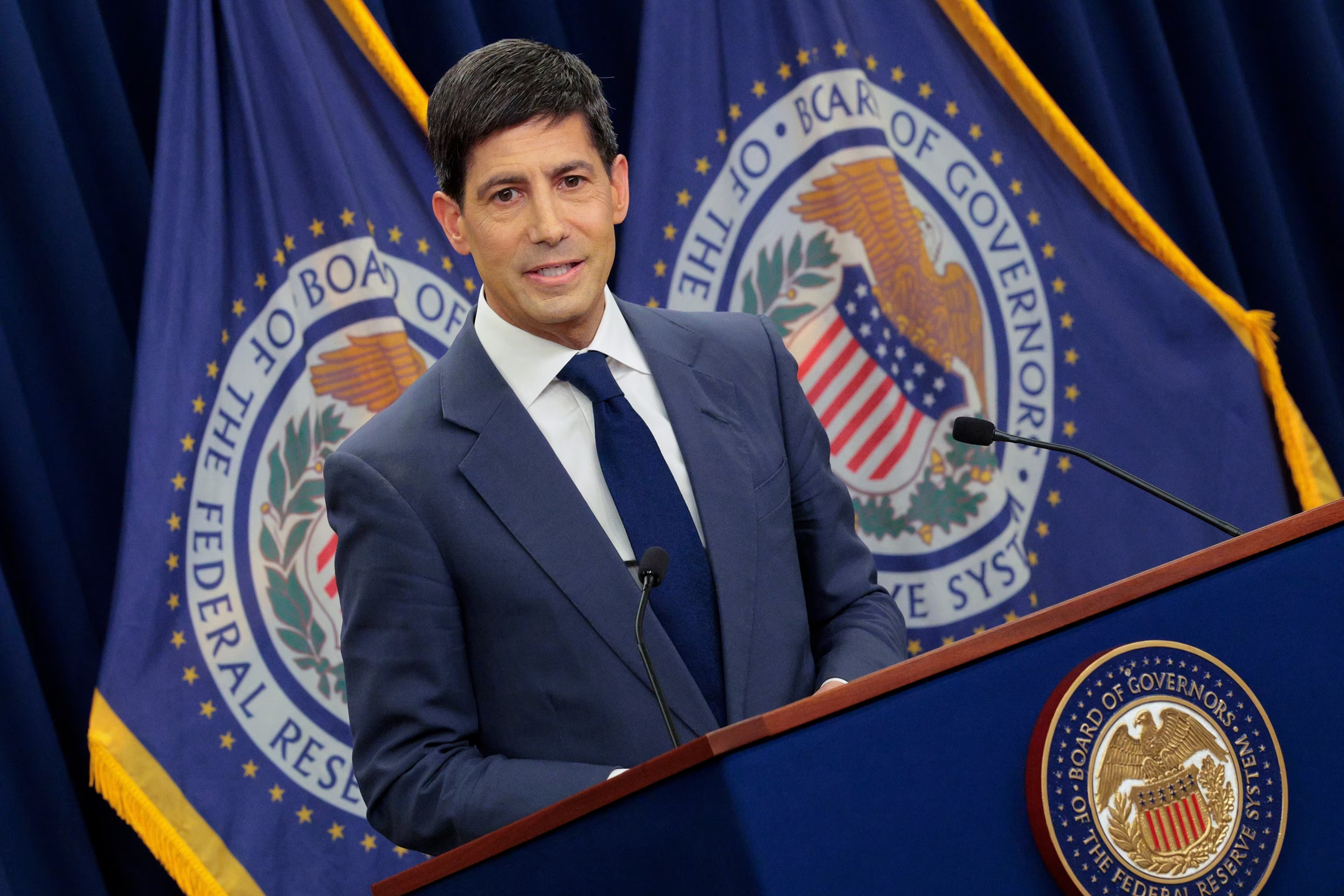
Federal Reserve Chair Kevin Warsh speaks to reporters during his first news conference since taking the helm at the central bank, June 17, 2026, in Washington, D.C.Chip Somodevilla/Getty Images
Meanwhile, acquiring a home may entail higher mortgage rates. Since late February, when the conflict with Iran triggered a surge in inflation that elevated interest rate expectations, the average 30-year fixed mortgage rate has risen from 5.99% to 6.62%, according to Mortgage News Daily.
Each full percentage point increase in a mortgage rate can add thousands or tens of thousands to the overall cost annually, depending on the property’s price, as indicated by Rocket Mortgage.
In addition to the increased cost of loans, investors might confront the possibility of further declines in markets for assets such as stocks and cryptocurrency.
If economic outlooks weaken and businesses face greater borrowing expenses, traders might seek out less risky investment opportunities. Furthermore, the surplus income that some individuals allocate to the stock market could become more challenging to generate.
The consequences of a potential interest rate hike are not entirely unfavorable, however.
This policy translates to enhanced returns for investors who allocate their funds to financial vehicles like money market funds or high-yield savings accounts, which are traditionally more secure investments compared to the stock market.
Sourse: abcnews.go.com