
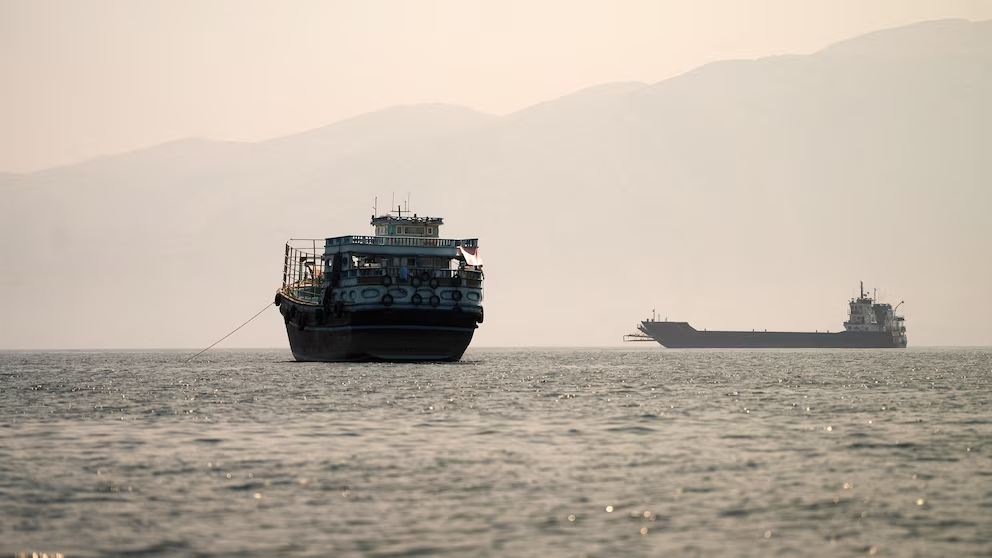
Vessels at the Strait of Hormuz, as seen from Musandam, Oman, June 22, 2026. Reuters
Worldwide petroleum prices on Wednesday decreased to their lowest valuation since prior to the commencement of the Iran conflict.
Brent crude futures, the primary indicator for global commerce, descended to $73.50 per barrel. This figure, representing a near 5% reduction on Wednesday, signified the least expensive price since February 27, the day preceding the start of the Middle Eastern crisis.
Equity valuations, in the interim, saw a slight upward trend on Wednesday following a downturn on Tuesday. The Dow Jones Industrial Average experienced a gain of 105 points, or 0.2%, while the S&P 500 advanced by 0.2%. The technology-centric Nasdaq recorded a 0.2% increase.
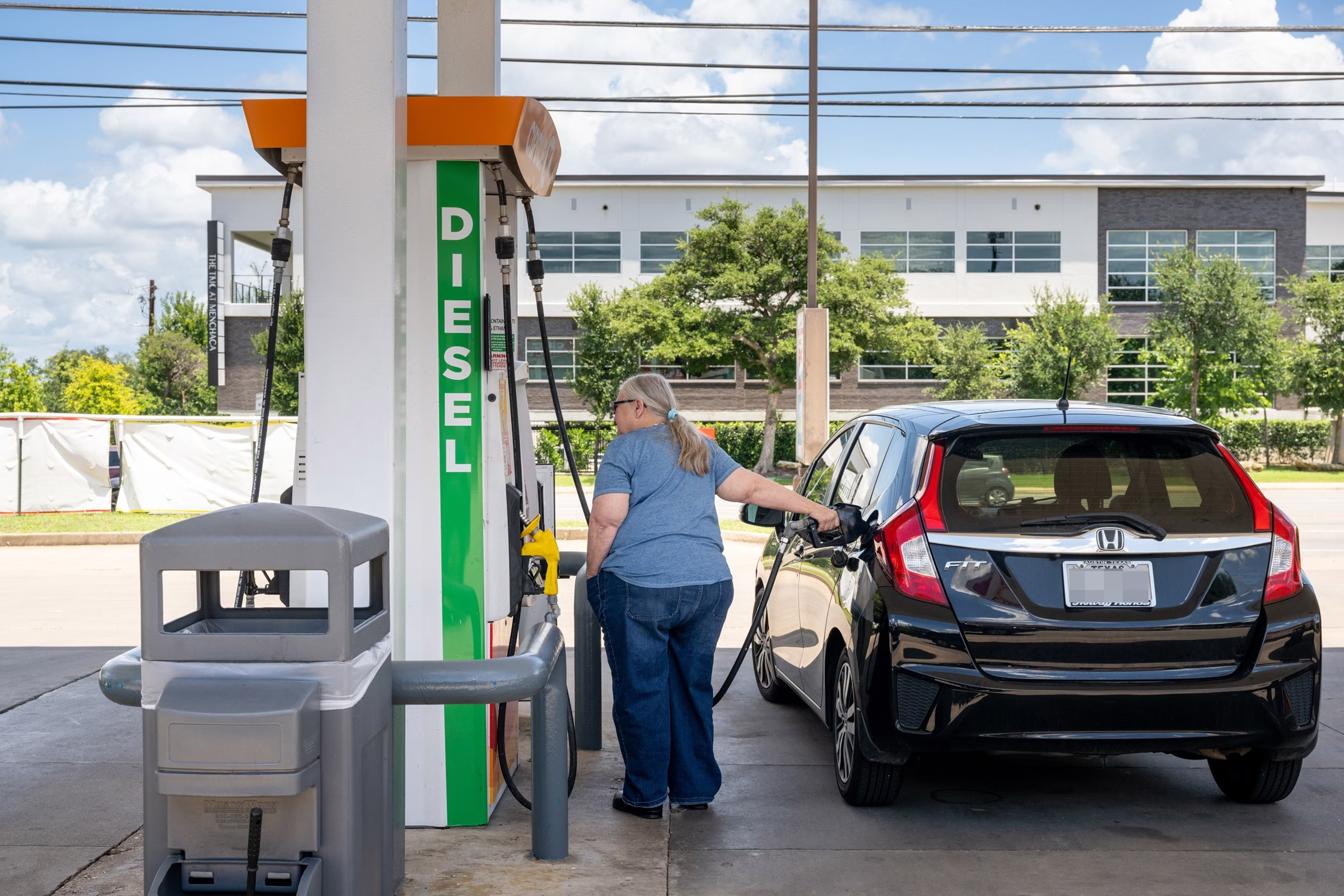
A person pumps gas at a Shell gas station on June 16, 2026, in Austin, Texas.Brandon Bell/Getty Images
Automotive fuel prices dipped below $4 per gallon last week, breaching this threshold as crude oil expenses moderated in response to discussions between the U.S. and Iran to conclude the hostilities.
The average national cost for a gallon of fuel now stands at $3.92, reflecting a decrease of 58 cents, or 13%, over the last month, according to AAA data. Nevertheless, fuel prices continue to be 94 cents higher than their pre-Iran war levels.
The Middle Eastern conflict led to Iran’s decision to shut down the Strait of Hormuz, a vital maritime artery responsible for transporting approximately one-fifth of the world’s oil supply. This geopolitical standoff instigated one of the most significant oil price surges ever documented, driving up the cost of gasoline.
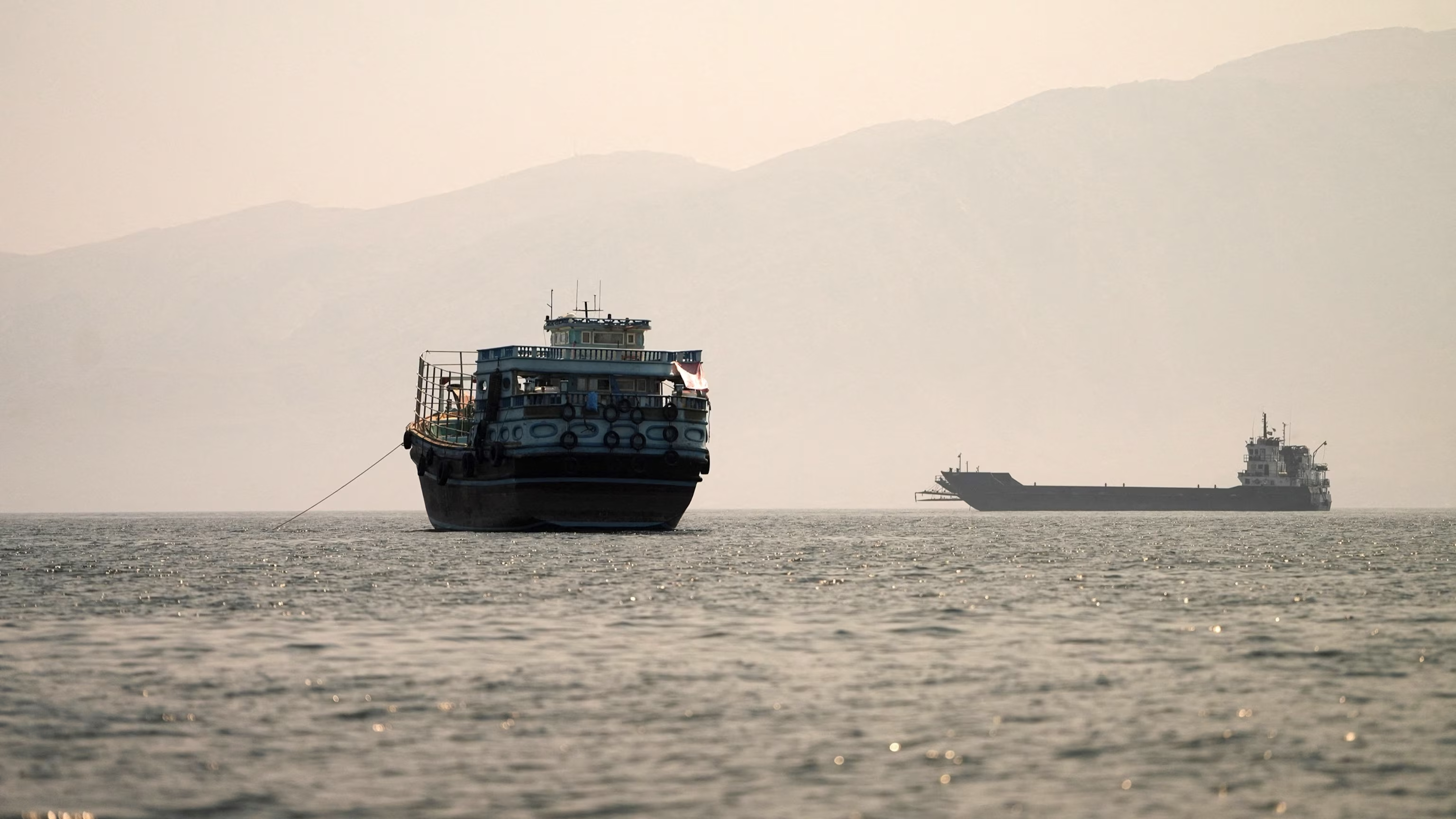
Vessels at the Strait of Hormuz, as seen from Musandam, Oman, June 22, 2026.Reuters
Representatives from the United States and Iran convened over the weekend at the Bürgenstock resort in Switzerland, initiating negotiations intended to bring about an end to the conflict based on a memorandum of understanding finalized last week by both nations.
The memorandum stipulated, among other things, that Iran would permit the resumption of commercial navigation through the strait, without imposing any tolls for the subsequent 60 days.
In a social media update on Wednesday, President Donald Trump stated that Iran had informed him there would be "no tolls, no insurance costs" and "no other charges of any kind" for vessels traversing the strait.
Assertions to the contrary are "trouble-making" fabrications, Trump declared in his post.
Sourse: abcnews.go.com