
When Music Meets Interior Aesthetics
In modern interior design, functionality and aesthetics increasingly go hand in hand. One of the most striking examples of this fusion is the piano. Once viewed purely as a musical instrument, it has now become a powerful design object that shapes the atmosphere of entire living spaces.
Whether placed in a luxury apartment, a minimalist loft, or a classic home, a piano often becomes the visual and emotional centerpiece of the room. Designers no longer hide it in corners — instead, they highlight it as a statement of personality, culture, and lifestyle.
This growing appreciation for piano culture is also reflected in global music celebrations such as International Pianist Day, when the instrument is honored not only for its sound but also for its cultural and aesthetic significance.
The Piano as a Symbol of Lifestyle
Today’s interior design trends focus heavily on storytelling. Homes are no longer just functional spaces; they represent identity and values. The presence of a piano often communicates creativity, education, and emotional depth.
In many modern homes, a piano is not just used for playing music but also serves as a symbol of refinement. Even when it is not played daily, its presence adds a sense of elegance and sophistication to the environment.
Interior designers often describe the piano as a “living sculpture” — an object that combines artistic form with emotional meaning.
Grand Piano as a Visual Centerpiece
The grand piano is perhaps the most iconic example of musical design integration. Its curved shape, glossy surface, and elegant proportions naturally attract attention.
In spacious interiors, the grand piano is often placed in open living rooms where it can visually anchor the entire design concept. It works especially well in minimalist spaces, where its organic shape contrasts with clean architectural lines.
Black polished finishes remain the most popular choice, but modern designs also include white, matte, and even custom-colored instruments that match interior palettes.
Upright Pianos in Compact Spaces
Not every home has space for a grand piano. Upright pianos provide a practical alternative while still maintaining strong visual presence.
In modern apartments, upright pianos are often integrated into multifunctional living areas. Designers place them against feature walls, combine them with bookshelves, or frame them with decorative lighting.
This approach turns a compact instrument into a stylish focal point without overwhelming the room.
Digital Pianos and Minimalist Interiors
Digital pianos have become especially popular in contemporary interior design. Their slim profiles and lightweight structures make them ideal for small apartments and modern minimalist spaces.
Unlike traditional acoustic instruments, digital models can be easily moved, stored, or visually integrated into multifunctional furniture layouts. Some designs even resemble sleek home electronics rather than classical instruments.
This flexibility allows homeowners to enjoy music without compromising spatial harmony or design consistency.
The Piano as a Decorative Object
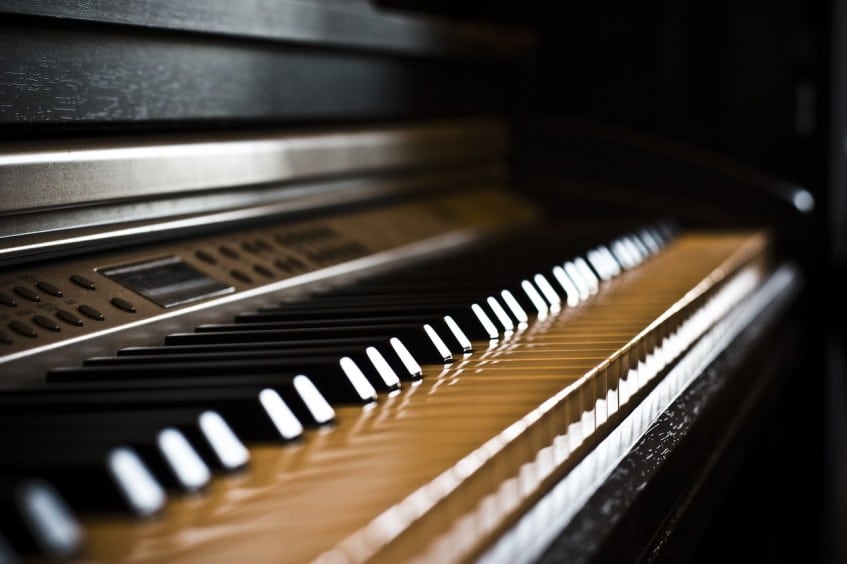
Even when not in use, a piano contributes significantly to the atmosphere of a room. Designers often treat it as a decorative centerpiece rather than just a functional tool.
Key aesthetic elements include:
- reflective surfaces that enhance lighting effects;
- elegant curves that soften interior geometry;
- contrast between wood, metal, and fabric textures;
- visual balance within open spaces.
Accessories such as piano lamps, benches, sheet stands, and surrounding décor further enhance the overall composition.
Emotional Impact in Interior Spaces
Beyond visual appeal, the piano introduces an emotional dimension to interior design. It suggests creativity, calmness, and cultural depth.
Rooms with a piano often feel more personal and expressive. Even guests who do not play the instrument tend to perceive such spaces as more refined and welcoming.
Designers frequently emphasize that emotional resonance is just as important as visual balance in creating successful interiors.
The Role of Lighting and Placement
Lighting plays a crucial role in showcasing a piano as part of interior design. Soft ambient lighting or focused spotlights can highlight its shape and texture, turning it into a sculptural object.
Placement is equally important. A piano positioned near large windows can interact beautifully with natural light, while placement in open-plan spaces allows it to define zones within a room.
In many modern homes, the piano is intentionally placed where it can be both seen and experienced visually, even when silent.
Luxury Interiors and Architectural Harmony
In high-end interior design, pianos are often custom-matched to the architecture of the space. Designers collaborate with musicians, architects, and furniture makers to ensure perfect harmony between instrument and environment.
Luxury pianos may include personalized finishes, engraved details, or materials that match flooring, wall textures, or furniture elements.
This level of integration transforms the piano into a bespoke design object rather than a standard instrument.
Cultural Meaning in Modern Homes
The presence of a piano in a home often reflects cultural values. It suggests appreciation for art, discipline, and tradition while still fitting into contemporary lifestyles.
Even in highly digital environments, the piano remains a reminder of human creativity and emotional expression. It bridges the gap between classical heritage and modern living.
Why Designers Continue to Use Pianos
Interior designers consistently choose pianos because they offer a rare combination of visual elegance and emotional depth. Few objects can transform a space so effectively without requiring additional decoration.
A piano can define mood, structure space, and enhance aesthetic coherence all at once. It is both functional and symbolic, making it a unique element in modern design philosophy.
Conclusion
The piano has evolved far beyond its role as a musical instrument. In contemporary interior design, it stands as a symbol of creativity, elegance, and emotional presence.
From grand concert pianos in luxury homes to compact digital models in modern apartments, the instrument continues to adapt to changing lifestyles while preserving its artistic identity.
In a world where design increasingly reflects personality and emotion, the piano remains one of the most powerful elements of interior storytelling — a perfect harmony of sound, space, and style.