
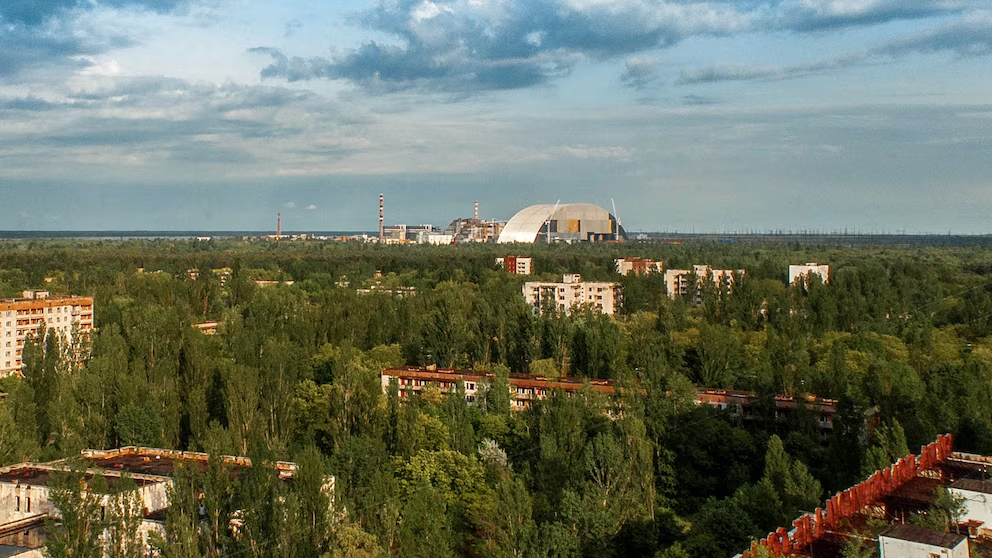
The Chornobyl Nuclear Power Plant and the desolated city of Prypiat are pictured in October 2019.Kateryna Korepanova
The location of the Chernobyl catastrophe of 1986 has evolved into a refuge for sizable wild mammals inhabiting the area, according to scientists.
On April 26, 1986, reactor number 4 at the Chernobyl generating station, roughly 65 miles to the north of Kyiv, Ukraine, underwent an explosion, discharging substantial amounts of radioactive elements into the environment and compelling the removal of over 100,000 individuals.
The 1,000-square-mile boundary of impacted territory is recognized as the Chernobyl Exclusion Zone, which is thoroughly monitored and largely uninhabited by people.
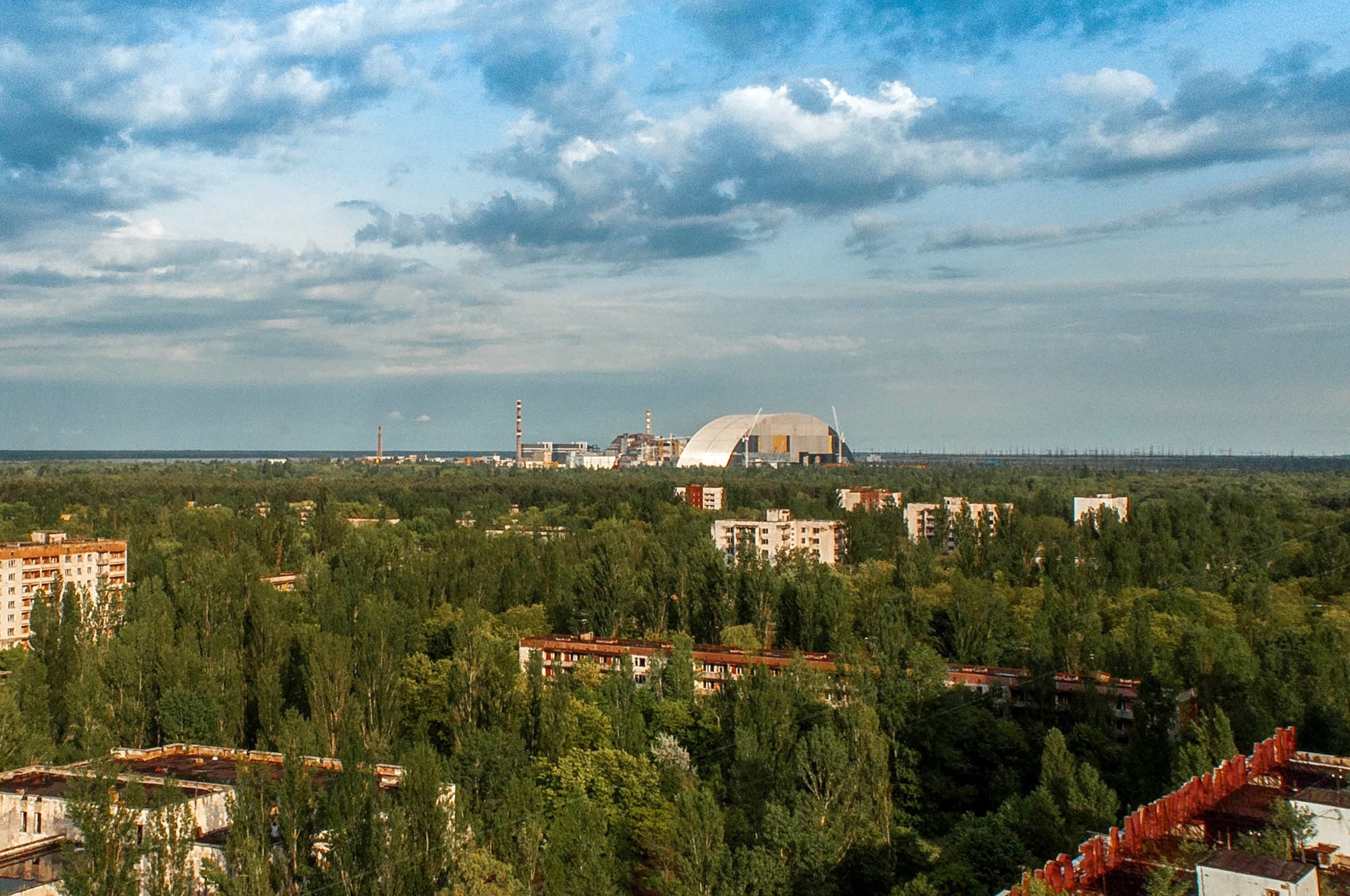
The Chornobyl Nuclear Power Plant and the desolated city of Prypiat are pictured in October 2019.Kateryna Korepanova
Nevertheless, numerous large mammals seem to be “flourishing” in the impacted zone, based on an article released Tuesday in the Proceedings of the Royal Society B.
Camera installations across the Chernobyl Exclusion Zone — alongside adjacent, smaller protected and unprotected sectors in northern Ukraine — displayed significant populations and diverse varieties of 11 mammal groupings, encompassing Przewalski’s horses, Eurasian lynx, and moose.
Researchers surmise that the creatures are thriving as a result of strictly enforced human limitations throughout the expansive adjoining protected region, Svitlana Kudrenko, an ecologist and professor of environmental and natural resources at the Albert Ludwig University of Freiburg in Breisgau, Germany, expressed to ABC News.
Human interruptions, such as hunting and traffic, exert a considerable influence on the allocation of large mammals, stated Kudrenko, the primary author of the investigation.
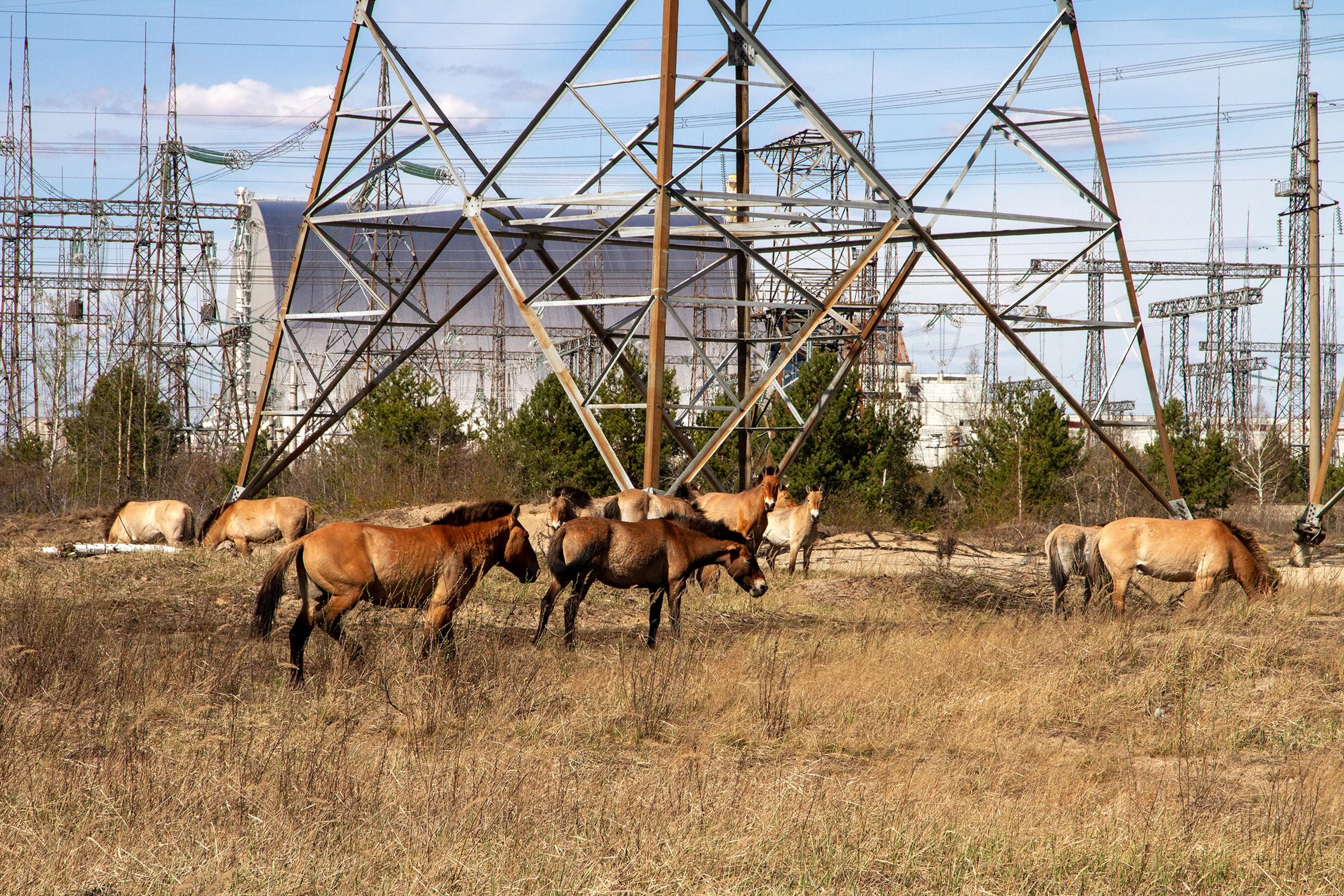
Przewalski´s horses in proximity to the Chornobyl Nuclear Power Plant in April, 2020.Kateryna Korepanova
The scientists intended to evaluate species proliferation and the number of native species still existent within the zone, contrasting these with regional reserves, Kudrenko mentioned. The Exclusion Zone, which experienced the minimal degree of human interference, teemed with wildlife, she further stated.
“They utilize the entirety of the exclusion zone, including the adjacent nature reserve, as this space where they are able to flourish,” Kudrenko remarked.
The article represents the most exhaustive overview of large mammal ecology in the wild within this locale ever conducted, Tim Mousseau, a professor of biological sciences at the University of South Carolina who has been scrutinizing Chernobyl for more than 20 years, communicated to ABC News.
“It is remarkably evident that extensive protected regions such as the Chornobyl Exclusion Zone furnish the necessities for mammals, like moose, deer, wolves, and wild horses, to evade hunting pressures and other human intrusions,” Mousseau stated.
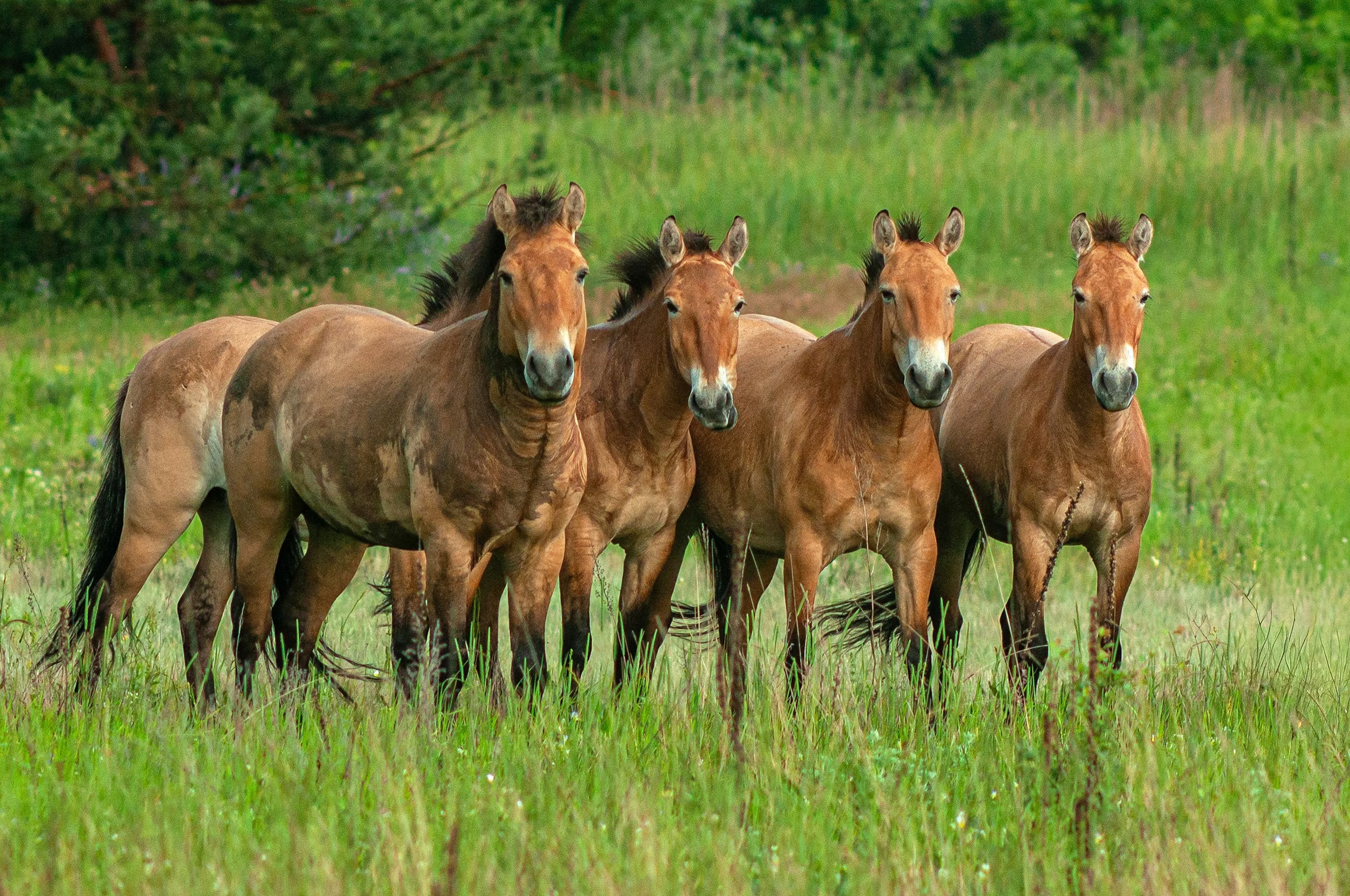
Przewalski´s horses close to the town of Chornobyl, in June, 2020.Kateryna Korepanova
The animals are performing “quite favorably,” even when faced with the thoroughly documented detrimental impacts of elevated radioactivity detected in numerous species inhabiting the most radioactive areas inside the exclusion zone, Mousseau appended.
A 2023 investigation authored by Mousseau discovered that the genetic composition of a wild dog contingent residing nearby the exclusion zone had been transformed by the radiation.
The dogs persisting around the exclusion zone are likely descendants of pets abandoned after residents bordering the Chernobyl power plant hastily departed the region, Mousseau commented.
While the paper did not delve into whether the animals were affected by lingering radioactivity stemming from the 1986 nuclear calamity, prior investigations have signaled that much of the wildlife remains unaffected, Kudrenko conveyed.
A 2016 study by the University of Georgia positioned camera installations along the spectrum of radioactive pollution and failed to demonstrate that animals selected habitats depending on radioactive contamination.
“The most significant factors are the availability of prey and forage, as well as the habitat quality in terms of delivering adequate resting spots,” Kudrenko clarified.
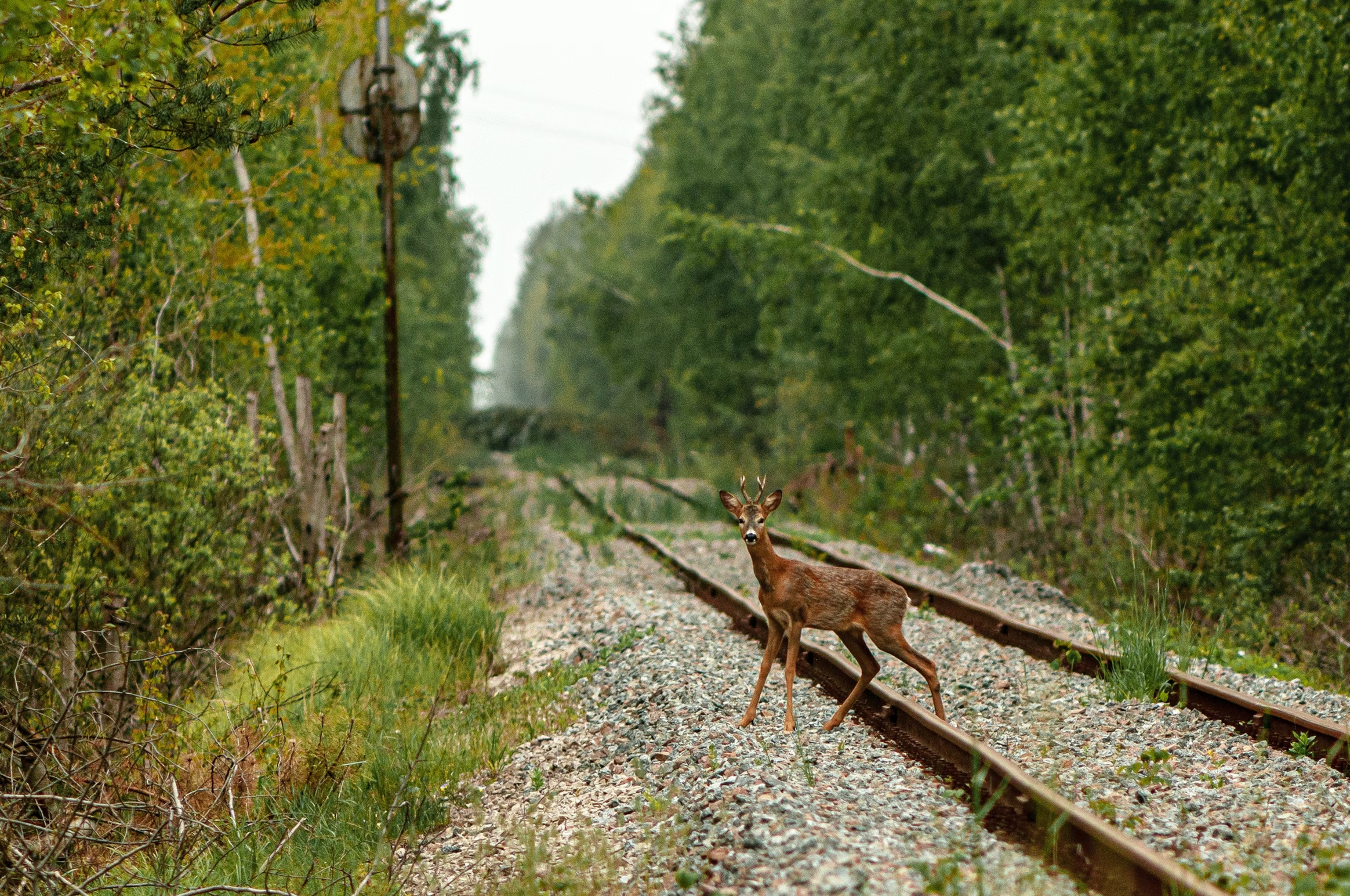
A Roe deer crosses a railway near the abandoned village of Novoshepelychi, in May, 2020.Kateryna Korepanova
Kudrenko and her collaborators were granted access to the Exclusion Zone, where they observed Przewalski’s horses during twilight hours and ungulates in the Chlosky Forest.
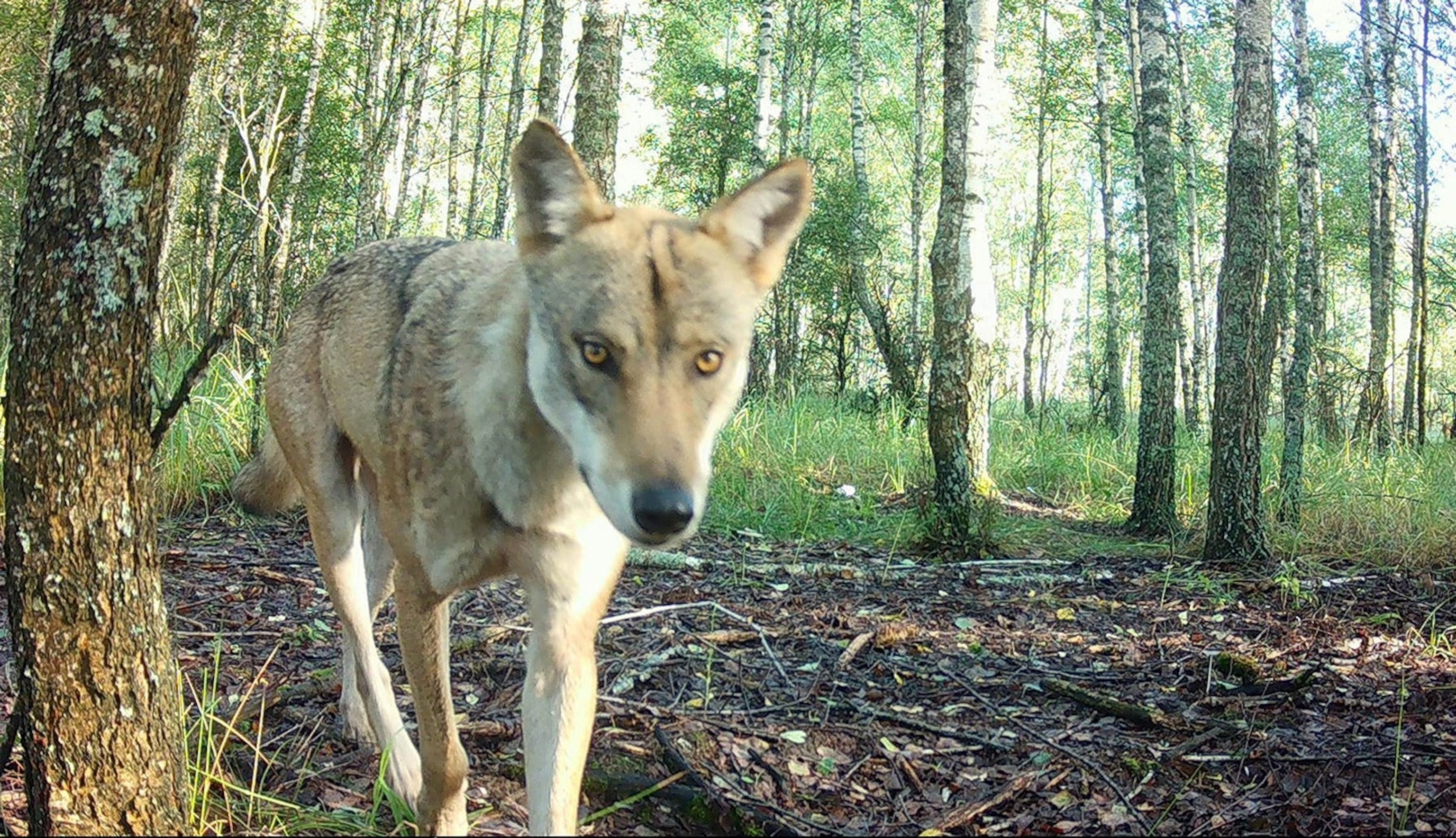
A Gray wolf is shown in a central part of the Chornobyl Exclusion Zone. This camera trap project was funded by the Association for Studying Animal Behaviour, UK, July, 2025.Svitlana Kudrenko
Although they did not visually encounter wolves or brown bears, they captured their existence within the camera installations, Kudrenko said.
“It was genuinely a captivating experience to venture there,” she stated.
Sourse: abcnews.go.com