
Share Source: The Telegraph
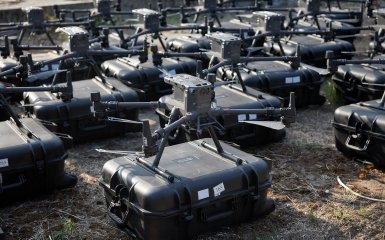
British defense companies have developed a swarm of eight autonomous drones powered by artificial intelligence that can find and destroy targets on their own in four months. The technology has been tested in Wales as it prepares to enter service with the British Army.
Main theses:
- British defense companies, together with Ukraine, have developed a swarm of drones based on artificial intelligence.
- The swarm consists of eight autonomous drones capable of independently finding and destroying targets.
Britain, with the help of Ukraine, created a swarm of drones
Eight quadcopters with AI-powered “collective intelligence” took off on their own. Two reconnaissance drones in front scanned the area, while the rest tracked targets that simulated a column of armored vehicles. Having found the targets, the swarm received permission to attack from a human operator and carried out a simulated bombing strike.
Despite the system's autonomy, the decision to use lethal force remains with the human. The developers insist: the AI identifies and tracks the target, but only the operator can press the conditional button.
In Ukraine, drones are already responsible for over 90% of combat casualties on the battlefield. The “destruction zone” is more than 19 kilometers deep and is constantly patrolled by drones, from reconnaissance to kamikaze. Russia, in turn, is developing its own drone swarms.
British developers have received help from Ukraine, a recognized world leader in drone warfare. According to the project manager, the pace of change is “terrifying” – and we can't afford to lag behind.
Share
Applied Intuition has conducted over 200 test flights, but is awaiting a decision from the Ministry of Defense on further funding.
Britain's defence investment plan was due to be released in the autumn but has been delayed by a row between the ministry and the Treasury, with the industry warning that the delay is putting entire projects at risk and could push smaller companies into bankruptcy.