
Share Source: Public
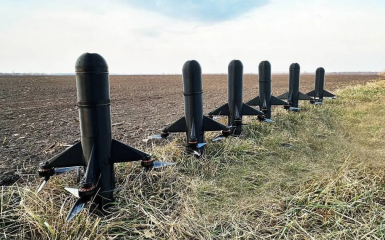
The Ukrainian Defense Forces are destroying about 40% of all air targets with interceptor drones. This statistic will increase as the weather improves.
Main theses:
- The Ukrainian Armed Forces use interceptor drones to successfully destroy 40% of Russian air targets.
- As the weather improves, the statistics of destroying air targets increases.
- Versatile crews can operate different models of interceptors, making them more effective.
The Armed Forces of Ukraine are actively using interceptor drones against Russian UAVs
This was reported by the Deputy Commander of the Air Force's Direct Air Cover Forces, Yuriy Cherevashenko.
Last year we had a slightly higher participation rate (of interceptors — ed.). Now this statistic continues to grow again, because the weather is stabilizing. We also optimized the radar field, which improves the work of the UAV interceptor crews.
Share
So-called universal crews can operate different models and types of interceptors, while less experienced ones use the UAV model they have mastered. The infrastructure for them, says Cherevashenko, is the same, with the exception of jet drones.
We mainly use multirotor type UAV interceptors. But fixed wing is also gaining popularity. Depending on the circumstances, the speed of the air target or the conditions of its use, either one UAV interceptor or another is used.
According to him, the Russians have begun to prepare air attacks more carefully. In particular, they are tracking drone losses, intensifying attacks, and increasing the number of aircraft.
This complicates the work of crews and requires an increase in their number.
Share
In addition, the Russians are modifying and improving Shahed/Geran and Gerbera drones.
Our crews destroyed aircraft equipped with motion, sound and light sensors. When a searchlight is pointed at them or they sense excessive noise, they begin pseudo-maneuvering. Also, interceptor UAVs enter into air battles, which has not happened before. That is, the counteraction is carried out by controlled UAVs in manual control.
The interceptors have been integrated into a unified air defense system under the leadership of regional commands and tactical groups. The work of the interceptor crews is coordinated with other components of the state's air defense system: manned aviation and ground-based anti-aircraft systems.
In March 2026, the newly created Unmanned Air Defense Systems Command was reformed into the Direct Air Cover Forces Command.
We came to the conclusion that it is necessary to unite “small air defense” means to more effectively counter unmanned aerial vehicles according to a single idea and a single plan.
Share
Interceptors have taken an intermediate position in echeloned defense: drones are used when it is impractical to expensively raise aircraft, but mobile fire groups cannot physically reach the target.
To increase the share of UAV interceptors in destroying air targets, one way is to scale up and improve them. New types of drones, drones that can carry other drones that can stay in the air for a long time, as well as the development of anti-aircraft drone complexes.
According to Yuriy Cherevashenka, the government has expanded opportunities for involving civilians in the fight against drones. This includes the so-called private air defense for business, the work of the DFTG, and the recruitment of young people into UAV interceptor units on a territorial basis.