
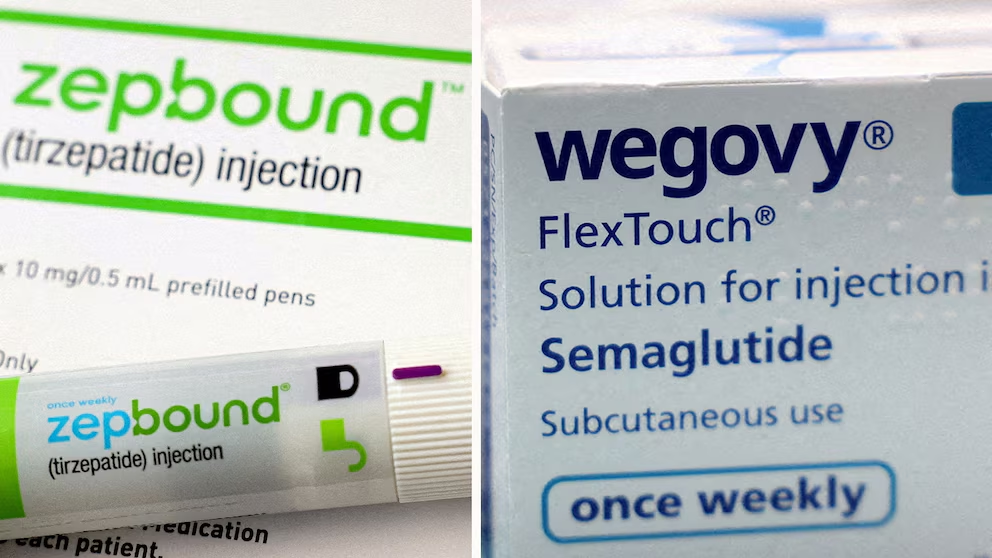
A combination image shows an injection pen of Zepbound, Eli Lilly’s weight loss drug, and boxes of Wegovy, made by Novo Nordisk. Hollie Adams/Brendan McDermid/Reuters
For the first time, Medicare will subsidize GLP-1s for weight reduction related to obesity, without necessitating other medical issues.
Commencing Wednesday, qualified Medicare beneficiaries can obtain GLP-1s for obesity at a cost of $50 per month with a prescription. Medicare is the principal federal health insurance program in the U.S. for individuals aged 65 and above.
Federal regulations prohibit Medicare Part D—which aids in covering prescription drug expenses—from subsidizing drugs solely for the treatment of obesity. However, a new federal pilot bridge initiative, sanctioned by Health and Human Services Secretary Robert F. Kennedy Jr., will be operational until December 31, 2027.
This action could substantially broaden access to Eli Lilly’s Foundayo and Zepbound, and Novo Nordisk’s Wegovy, for seniors aged 65 and older, as well as other eligible Medicare enrollees.
Foundayo and Wegovy Pill are daily oral medications. Wegovy and Zepbound are weekly injections requiring refrigeration.
A month’s supply of Wegovy will consist of four pre-filled pens, while Zepbound will be dispensed via a KwikPen, which contains four weekly doses within a single device.
Single-dose Zepbound pens and Zepbound vials will not be covered under the bridge program.
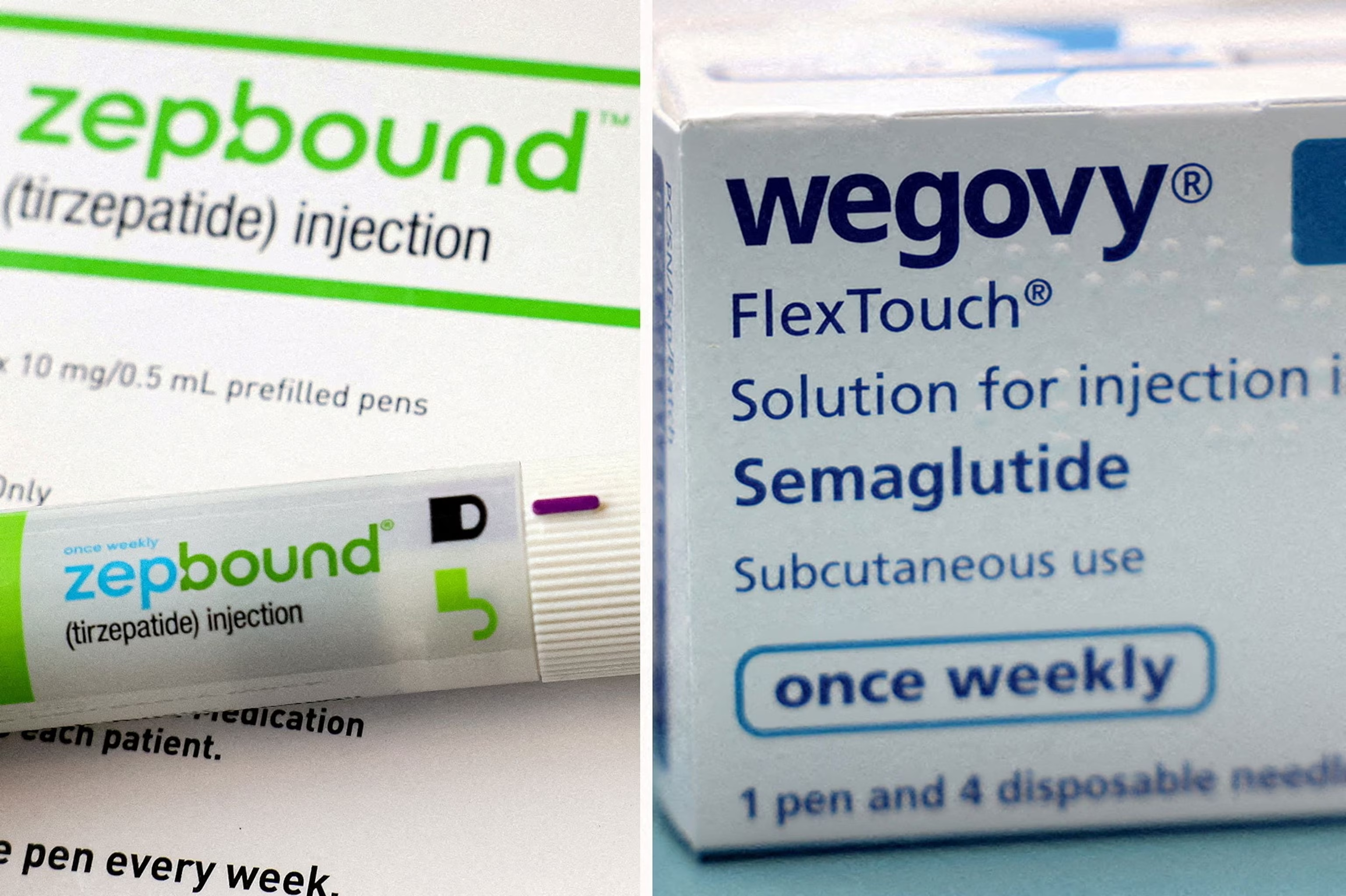
A combination image shows an injection pen of Zepbound, Eli Lilly’s weight loss drug, and boxes of Wegovy, made by Novo Nordisk.Hollie Adams/Brendan McDermid/Reuters
“These therapies represent a significant medical advancement, yet numerous seniors are currently unable to afford them due to high costs,” stated Dr. Mehmet Oz, administrator of the Centers for Medicare and Medicaid, in a declaration last month. “The Medicare GLP-1 Bridge rectifies this by enhancing the affordability and availability of these medicines, while simultaneously furthering our overarching objective of promoting healthier lives for Americans.”
An estimated 3.8 million beneficiaries may qualify for the initiative, according to a KFF analysis of 2023 Part D enrollment data published on Monday.
The government negotiated with the manufacturers to decrease the payment by the government to $250 for a monthly supply. In return, the companies will gain access to a broader patient base. Each patient will contribute a $50 copay towards the medication’s expense, but this copay will not count towards an individual’s annual deductible.
Patients will initially require prior authorization—prescribing clinicians must submit documentation verifying that the patient meets stringent body mass index (BMI) and health condition criteria. This implies patients will need to await prescription approval before it can be dispensed.
Patients must possess a Body Mass Index (BMI) of 35 or higher. If their BMI falls between 30-35, they must have specific forms of heart failure, difficult-to-manage blood pressure, or chronic kidney disease.
If their BMI is between 27-30, they must have prediabetes, a history of heart attack or stroke, or obstructed arteries in their limbs.
These stipulations are more stringent than the FDA’s approval guidelines or the requirements set by private insurance providers, which typically mandate a BMI of 30 or above.
Furthermore, patients must not have type 2 diabetes, moderate to severe sleep apnea, or fatty liver disease, as their Medicare plan might already offer coverage for GLP-1s.
“GLP-1s can profoundly improve the lives of patients managing obesity and associated conditions,” stated Chris Klomp, director of Medicare and chief counselor at the U.S. Department of Health and Human Services, in a communiqué last month.
“This demonstration is crafted to make accessing these medications more straightforward, predictable, and consistent across the Medicare program, thereby enhancing the quality of life for seniors and delivering greater value throughout the healthcare system,” the statement concluded.
Individuals will have the option to fulfill their pre-approved prescriptions at local retail pharmacies or directly through Novo Nordisk or Eli Lilly’s direct-to-consumer mail-order pharmacies.
Sourse: abcnews.go.com