
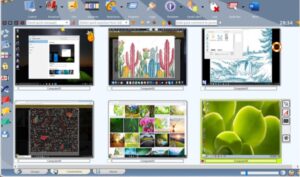
In modern classrooms, especially those using computers and online resources, managing students’ activity on the network can be challenging. Control students in network software helps teachers oversee digital activities, ensure students stay on task, and maintain a productive learning environment. These tools are designed to support both teaching and learning, providing visibility, safety, and organization in a connected classroom.
Why Control Students in Network Matters
The increasing use of digital devices in education has created a need for efficient monitoring and management. Teachers need to ensure that students:
- stay focused on lessons and assignments;
- avoid inappropriate or distracting websites;
- collaborate effectively without misuse of technology;
- receive timely feedback and support when needed.
By using monitoring software, educators can maintain classroom discipline in digital environments while empowering students to work productively.
Features of Student Control Software
Modern solutions offer a variety of features to balance supervision and learning:
For Teachers:
- Screen monitoring — view real-time activity on students’ screens;
- Application control — restrict access to non-educational software;
- Web filtering — block inappropriate websites and limit distractions;
- Remote assistance — provide support directly to students’ devices;
- Attendance and participation tracking — monitor engagement and task completion.
For Students:
- Guided learning — access only approved resources for assignments;
- Collaboration tools — share work and communicate with classmates safely;
- Feedback and messaging — receive guidance and corrections directly from the teacher;
- Safe browsing — protected network environment for research and study.
Benefits of Network Control Software
Using software to control students in the network offers multiple advantages:
- Improved focus and productivity — students stay engaged on tasks;
- Enhanced safety — reduced exposure to inappropriate content;
- Efficient classroom management — teachers can manage multiple students simultaneously;
- Support for remote and hybrid learning — maintain supervision even outside the classroom;
- Data and reporting — track progress, identify issues, and provide analytics for improvement.
How It Works
The process of implementing control software usually involves:
- Installation on classroom devices — compatible with laptops, desktops, and tablets.
- Configuration by teachers — set restrictions, permissions, and monitoring rules.
- Active supervision — teachers monitor students’ activity in real-time or review logs.
- Feedback and communication — provide guidance directly through the software, enhancing learning outcomes.
Many solutions offer cloud-based management, allowing teachers to oversee students from any location while ensuring secure and reliable data handling.
Conclusion
Control students in network software is an essential tool for modern education, combining supervision, safety, and productivity. By giving teachers the ability to monitor and guide students efficiently, these tools enhance learning outcomes and ensure that digital classrooms remain focused, safe, and productive. For students, they provide structure and support, helping them use technology effectively for study and collaboration.