
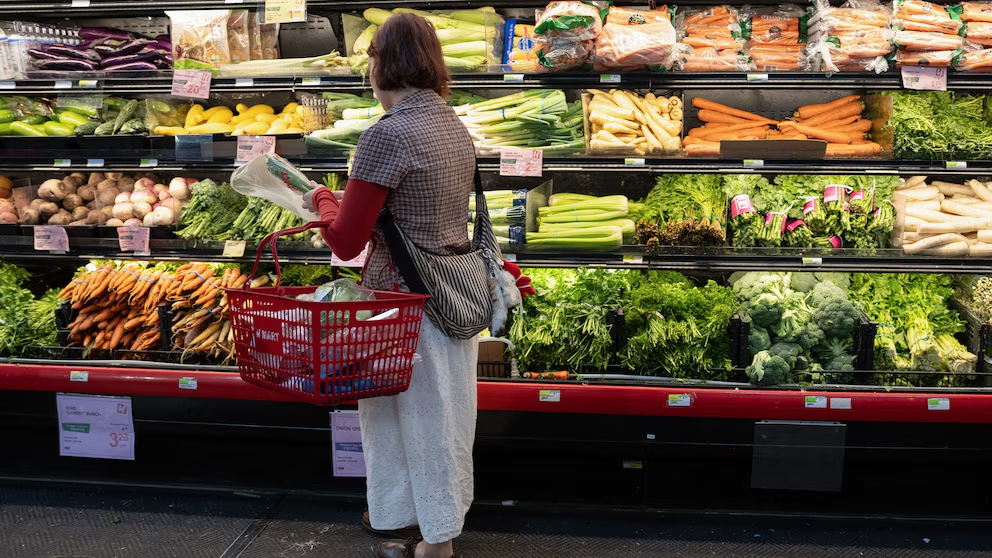
A shopper browses in the produce section of a supermarket, May 11, 2026, in Portland, Ore.Jenny Kane/AP
Food costs in the United States increased at a faster rate in April than in any month for almost four years, boosting the cost of items ranging from hot dogs to tomatoes to pastries, according to governmental figures released this week.
The cost of fresh produce is 11.5% higher than it was a year prior. Data from the Bureau of Labor Statistics (BLS) indicates that seafood costs have risen 6.2% during that period.
The increase in food prices is partly attributable to an unparalleled oil crisis triggered by the conflict in Iran, which elevated diesel prices, several experts informed ABC News. Diesel fuels the food distribution network, powering both trucks and ships. Escalated fuel expenses for suppliers translate to heightened prices in supermarket aisles, as these increased costs are transferred along the supply chain.
Analysts noted that tariffs and weather-related scarcities also contributed to raising the cost of certain food products, thereby intensifying the financial pressure on consumers.
“Whenever there’s a disruption in energy markets, it inevitably trickles down to food prices,” stated Parke Wilde, a food economist at Tufts University, in a discussion with ABC News. “I believe that’s precisely what we are witnessing.”
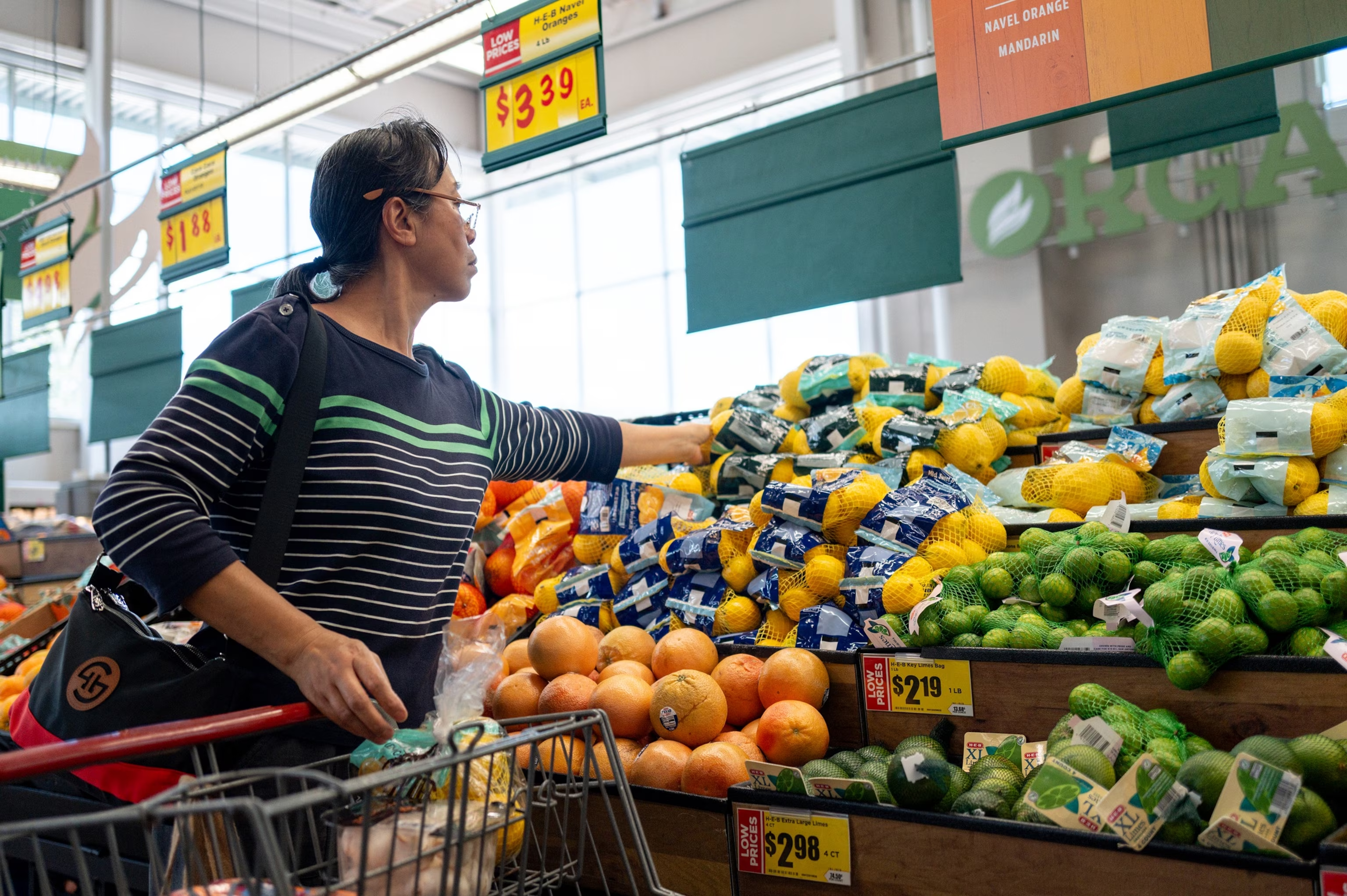
A shopper selects fresh produce at an H-E-B grocery store, May 11, 2026 in Austin, Texas.Brandon Bell/Getty Images
The conflict resulted in Iran’s closure of the Strait of Hormuz, a vital marine trading route that facilitates the transit of about one-fifth of the global oil supply. The scarcity of oil led to a sharp increase in diesel costs – currently 60% higher than it was a year ago, surpassing the increase in regular gasoline during the same period, according to AAA data.
According to some experts, perishable goods like produce and meats are particularly susceptible to increases in diesel costs, as their limited shelf life renders them especially vulnerable to sudden increases in supply-chain costs.
The prices of fresh fruits and vegetables increased by 2.3% in April compared to March. BLS data indicates that, over the last year, fresh produce prices have risen by 6.5%, exceeding twice the rate of increase in overall food prices.
An increase in dairy prices also emphasizes the impact on perishable items. Dairy products rose by 0.8% in April, as per the BLS, following declines of 0.6% in each of the two preceding months.
David Ortega, a food economist at Michigan State University, commented to ABC News that perishable foods are the “early warning sign when we examine the impact of high diesel costs on groceries.”
Simultaneously, BLS data showed that tomato prices have increased an astounding 39% over the past year. Analysts indicated that the increase in tomato prices can be partially attributed to energy costs, but also to tariffs and crop shortages.
Ortega stated that American grocers import a significant portion of their tomatoes from Mexico, but weather-related damage in that country has significantly decreased tomato production. A scarcity in supply has not been able to satisfy demand, leading to higher prices. Furthermore, a 17% tariff on tomatoes from Mexico went into effect last year, escalating costs for foreign suppliers.
“The effect we’re observing is not solely influenced by a single factor. It’s genuinely a confluence of multiple elements,” Ortega noted.
Analysts acknowledged fluctuations in monthly food prices, suggesting ambiguity regarding the precise cause for any particular food item. They further added that the trend could change in the upcoming months.
“There’s considerable variability in the monthly data,” Preston Caldwell, chief U.S. economist at Morningstar, mentioned to ABC News.
To be clear, annual grocery price increases are still markedly lower than the recent peak recorded during the pandemic. Food at home rose by 2.9% over the year ending in April, significantly below the annual inflation for groceries of over 11% in 2022.
Nonetheless, certain products are experiencing increases at considerably elevated rates. BLS data indicates that coffee prices surged by 18.5% over the year concluding in April, while beef prices rose by 14.8% during that period. The rise in prices for both products predates the Iranian conflict, but the increase accelerated in April.
Ortega explained that drought-related shortages have played a part in driving the increases in coffee and beef prices. Tariffs on these two products also contributed to their higher costs, but the Trump administration eliminated those tariffs last fall.
Ortega added that a further explanation for these escalating prices is that consumers remain unaffected by the higher price tags.
“Even with these elevated prices, consumption hasn’t decreased significantly,” Ortega stated.
Sourse: abcnews.go.com