
In today’s world, safety is a primary concern for both homeowners and business owners. Whether you’re protecting your family or safeguarding a large enterprise, the need for reliable security systems has never been more pressing. With the increasing threats of burglary, vandalism, and even cyber-attacks on physical infrastructure, the demand for comprehensive security solutions has significantly risen. Whether it’s a small apartment, a sprawling estate, or a multi-floor office building, the right security system can make all the difference in protecting your assets.
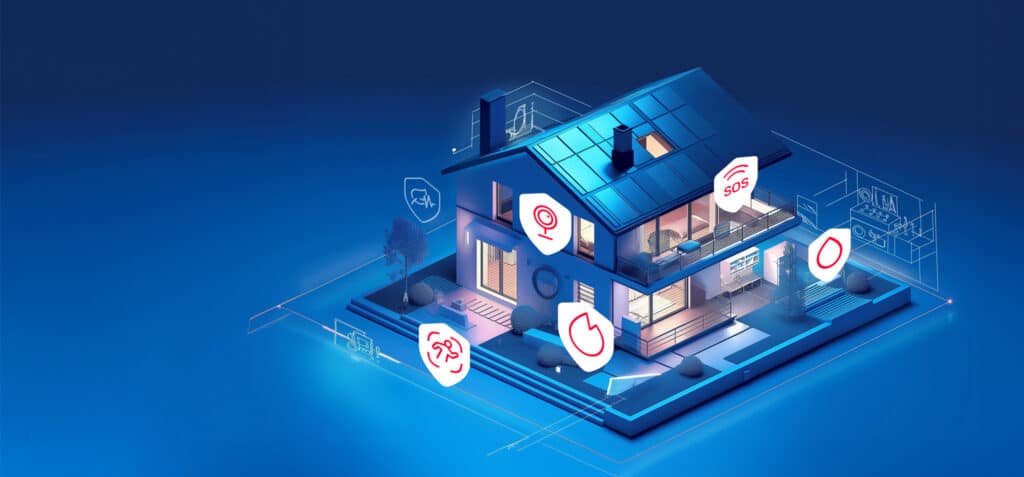
A robust security system is not just about alarm systems and cameras; it involves a comprehensive approach to safeguarding the premises. This article explores the four key aspects of security systems: design, installation, repair, and maintenance. Each of these components plays an essential role in ensuring that a security system remains effective and reliable for years to come.
The Importance of Custom Security System Design
When it comes to security, a one-size-fits-all approach simply doesn’t work. Every home and business has its own unique set of needs, and designing a security system that fits those needs is crucial. Custom design ensures that the security infrastructure is not only appropriate for the size and layout of the property but also incorporates the latest technologies suited to the user’s specific concerns.
Key factors to consider during the design process include:
- Property type (residential, commercial, or industrial)
- Security needs (intruder alarms, video surveillance, access control)
- Budget (cost-effective solutions without compromising quality)
- Technological integration (smart systems, remote monitoring, home automation)
For residential properties, design factors include determining vulnerable areas of the house—such as entry points like windows and doors—and ensuring that the security system covers these areas. Additionally, the integration of smart home technology can provide convenience without compromising safety. For instance, systems that allow remote control of security features via smartphone apps, or integration with voice assistants like Amazon Alexa and Google Assistant, are becoming more popular in modern homes.
For commercial security, on the other hand, the design must accommodate the complexity of the business environment. Businesses need to safeguard sensitive data, valuable assets, and employee safety. The design of a commercial security system might include features such as:
- Access control systems (card readers, biometric scanners)
- Surveillance cameras (motion detection, night vision)
- Alarm systems (intruder alerts, fire alarms, carbon monoxide detectors)
The design must also account for scalability—businesses grow, and their security needs evolve. A custom security design helps ensure that all potential threats are covered without overcomplicating the system.
Professional Installation of Security Systems
Once the security system has been designed, the next crucial step is professional installation. Proper installation is essential for ensuring that your security system functions as intended. While some may attempt DIY installations, it’s important to understand the potential risks involved. A security system that’s improperly installed can result in inefficient operation, false alarms, or worse—creating security vulnerabilities where there should be protection.
Key reasons why professional installation is essential:
- Optimal performance: Proper placement and configuration of sensors and cameras.
- Seamless integration: Ensuring all devices work together in harmony.
- Reduced risk of malfunction: Avoiding issues caused by poor wiring or incorrect setup.
- Compliance with regulations: Adhering to industry standards for safety and security systems.
A professional installation service starts with a detailed assessment of the premises, followed by careful planning and execution. The process involves:
- Assessment: Understanding the layout of the property and identifying vulnerable areas.
- Planning: Mapping out where cameras, sensors, and alarms should be placed.
- Execution: Installing the system and performing necessary tests to ensure full functionality.
Common issues with DIY installation include poor wiring, improper placement of cameras and sensors, and incomplete system integration. These mistakes may not be immediately apparent but can lead to significant issues over time. A security system is only as good as its installation—without proper setup, even the best-designed systems can fall short of providing full protection.
Security System Repair: When to Call for Help
Like any other system, security systems require maintenance and occasional repairs. If a security system isn’t working as expected, it can leave your home or business vulnerable to risks. Some of the most common issues include malfunctioning alarms, cameras that aren’t recording, or motion sensors that fail to trigger properly. These issues may arise from wear and tear or system glitches.
Signs that your system may need repair:
- Frequent false alarms
- Loss of camera feed or low-quality footage
- Unresponsive sensors
- Failure to alert monitoring services
Knowing when to call for repairs can make all the difference in avoiding a security breach. Leaving these issues unresolved can lead to greater problems in the future, including security gaps that might be exploited by intruders.
Professional repair services ensure that your system is thoroughly inspected and restored to full working order. An experienced technician can quickly identify the issue and resolve it, ensuring that the system is running at its best.
The Role of Ongoing Maintenance in Security Systems
Security systems are a long-term investment. Like any piece of technology, they require ongoing maintenance to ensure their continued functionality. Regular maintenance allows for the identification of potential problems before they become serious issues.
Key maintenance tasks include:
- Regular system testing: Verifying that alarms, cameras, and sensors are working correctly.
- Software updates: Keeping your system’s firmware and software up to date to avoid vulnerabilities.
- Component replacements: Updating worn-out sensors or replacing batteries in cameras.
- System optimization: Adjusting settings and configurations to ensure maximum efficiency.
A well-maintained system will perform reliably, keeping your home or business safe year after year.
A maintenance contract is a smart choice for both residential and commercial customers. These contracts typically involve scheduled visits from security experts to inspect and maintain the system, ensuring that any problems are detected early and fixed before they impact security. Ongoing maintenance not only extends the life of your system but also ensures that your security measures stay up to date with the latest advancements in technology.
Conclusion
In conclusion, whether you are protecting your family at home or securing your business, a comprehensive approach to security—covering design, installation, repair, and maintenance—is essential for long-term protection. By investing in a well-designed, professionally installed system and committing to regular maintenance and repairs, you ensure that your security system remains a reliable safeguard for years to come.
For more information on top-tier security solutions, consider exploring the available options online. Click here for more details.