
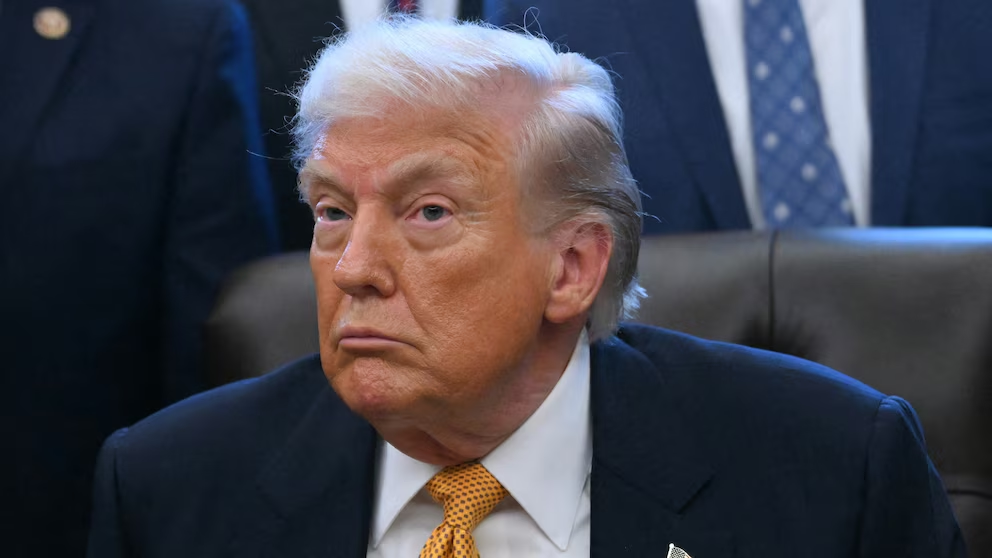
7:18President Donald Trump addresses the public during a bill signing event that permits the sale of whole milk in school cafeterias nationwide, in the Oval Office of the White House, January 14, 2026 in Washington.Brendan Smialowski/AFP via Getty Images
President Donald Trump has threatened to activate the Insurrection Act to deploy federal troops as demonstrations occur in Minneapolis against Immigration and Customs Enforcement actions.
"If the dishonest politicians of Minnesota refuse to follow the law and allow the professional agitators and insurrectionists to attack the Patriots of I.C.E., who are merely trying to perform their duties, I will enact the INSURRECTION ACT, which many Presidents have done before me, and swiftly put an end to the disgrace that is unfolding in that once-great State," Trump stated in a social media message.
President Donald Trump addresses the public during a bill signing event that permits the sale of whole milk in school cafeterias nationwide, in the Oval Office of the White House, January 14, 2026 in Washington.Brendan Smialowski/AFP via Getty Images
Democratic leaders in Minnesota have condemned ICE’s activities following two shootings involving federal law enforcement within a week. Governor Tim Walz described the ICE actions as a "campaign of organized brutality against the citizens of Minnesota by our own federal government" and urged residents to "protest loudly, urgently, but also peacefully."
Trump previously indicated he might invoke the 1807 statute, which has not been utilized in over three decades, last June during protests in Los Angeles related to the administration’s immigration enforcement and the National Guard’s deployment, and again in October for Chicago.
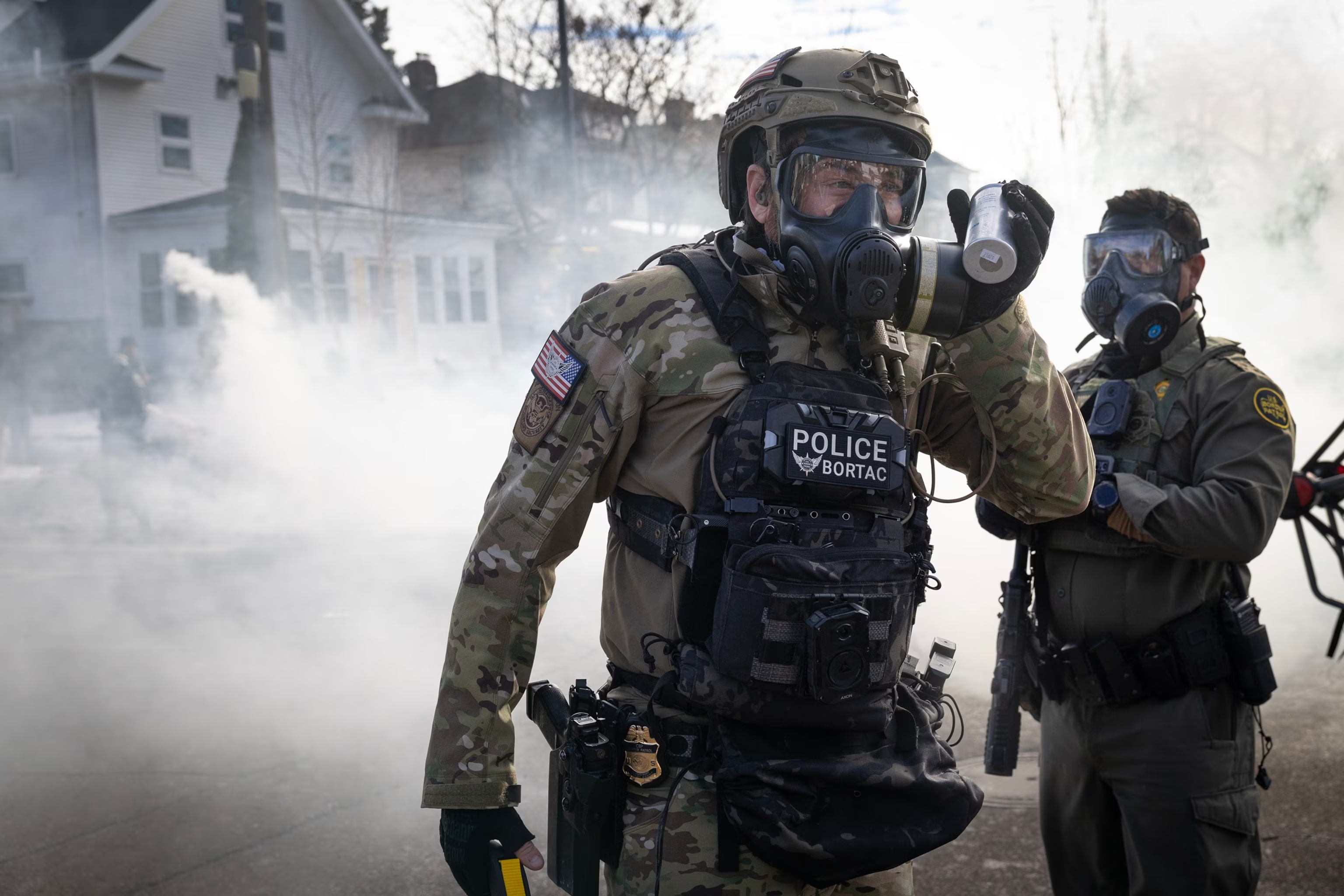
Border Patrol agents use tear gas while clashing with residents in a neighborhood following a minor traffic incident, January 12, 2026 in Minneapolis, Minnesota.Scott Olson/Getty Images
Understanding the Insurrection Act
In general, the deployment of federal troops on U.S. soil is largely restricted. The 1878 Posse Comitatus Act limits military involvement in civilian law enforcement unless authorized by Congress or under conditions "specifically permitted by the Constitution."
An exception exists in the Insurrection Act, a statute enacted by President Thomas Jefferson in 1807.
The Insurrection Act asserts, in part: "Whenever there is an insurrection in any State against its government, the President may, upon the request of its legislature or of its governor if the legislature cannot convene, call into Federal service such of the militia of the other States, in the number requested by that State, and utilize such of the armed forces as he deems necessary to suppress the insurrection."
Another clause indicates it can be activated "whenever the President believes that unlawful obstructions, combinations, or assemblies, or rebellion against the authority of the United States, make it impractical to enforce the laws of the United States in any State through the ordinary course of judicial proceedings."
Some legal analysts have cautioned that the law is excessively broad and ambiguous, prompting calls for reform to impose stronger checks on presidential authority.
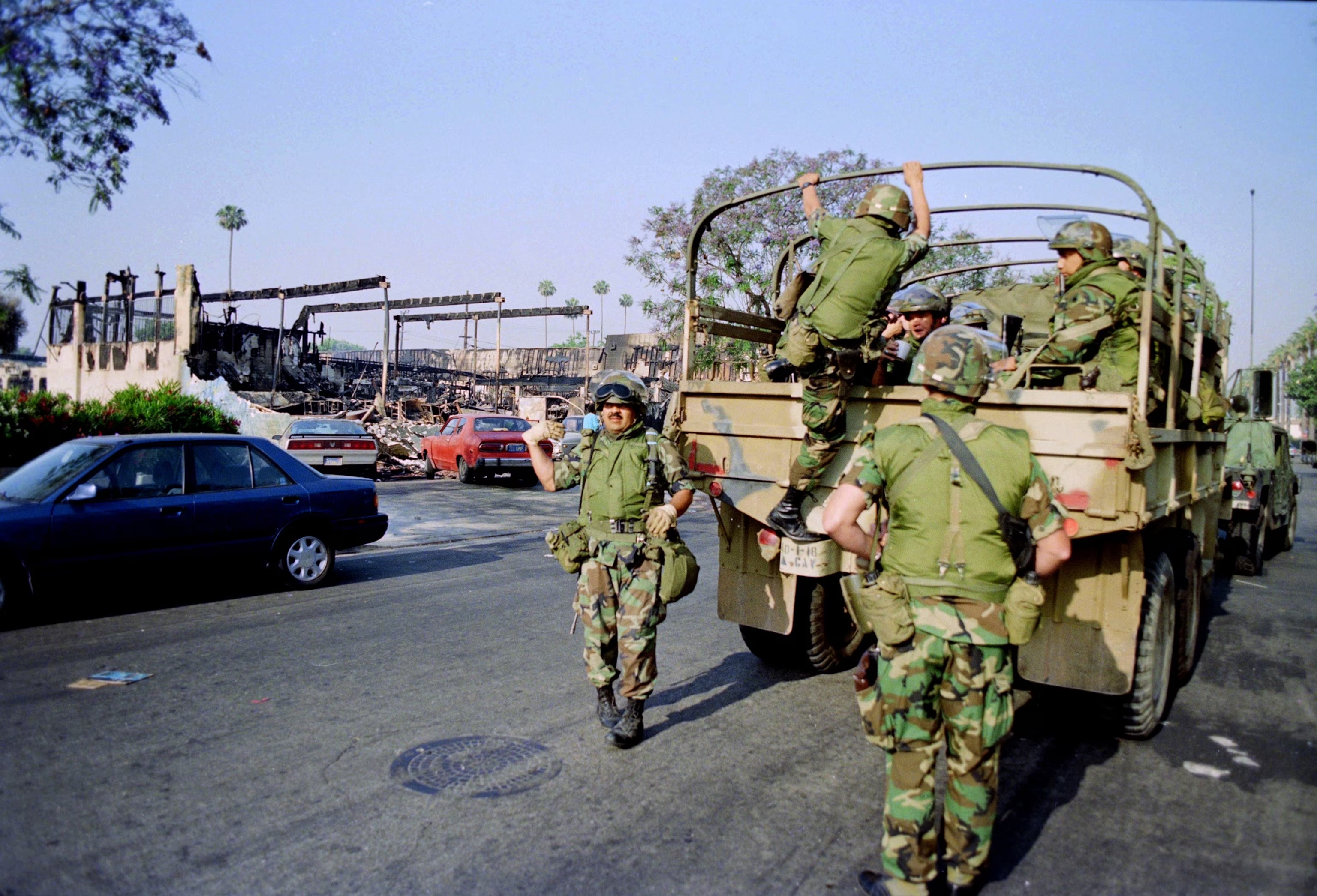
Scenes from downtown Los Angeles following the Los Angeles Riots on May 2, 1992.Paul Harris/Getty Images
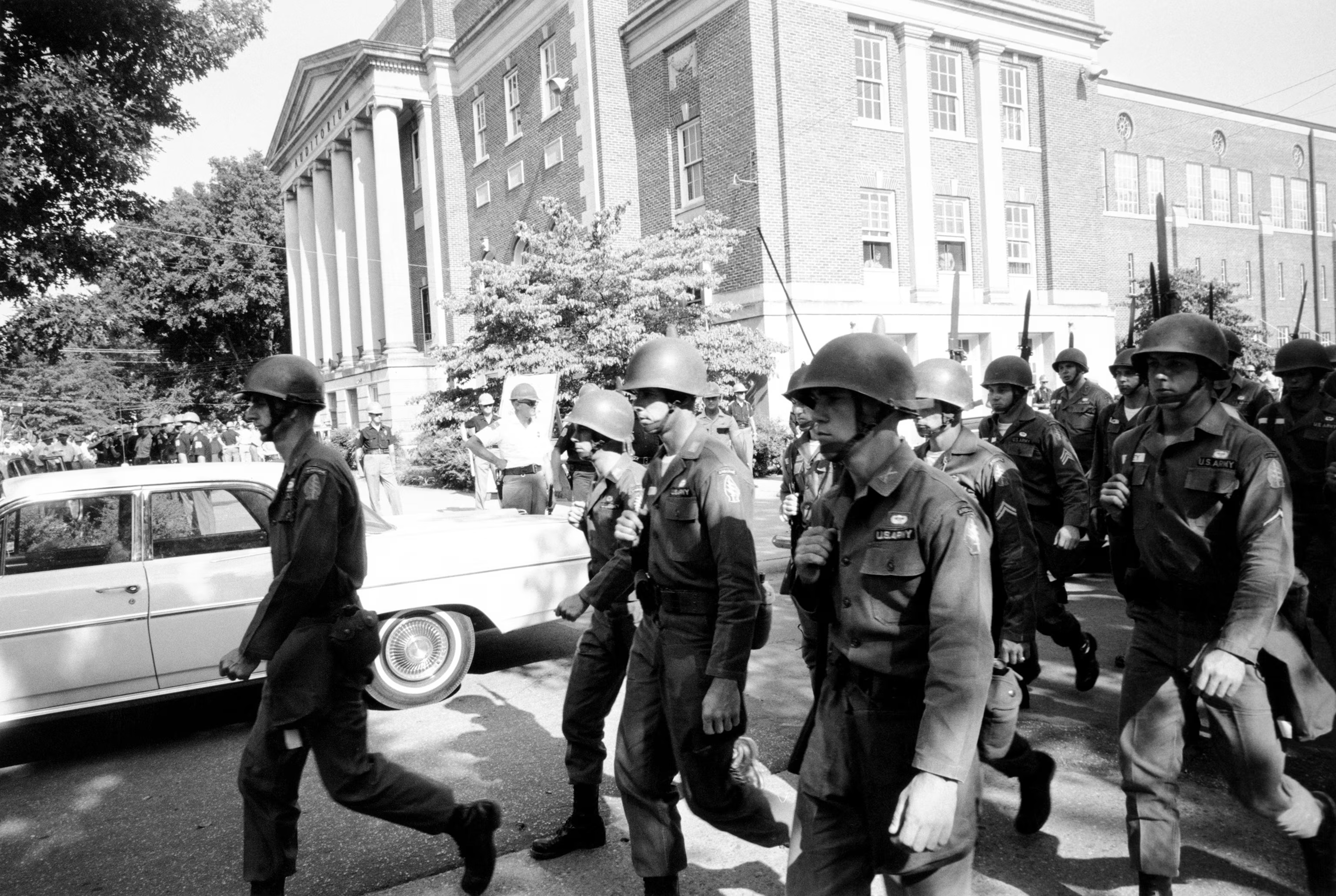
National Guard troops sent to the University of Alabama
Sourse: abcnews.go.com