
The source text is in English.
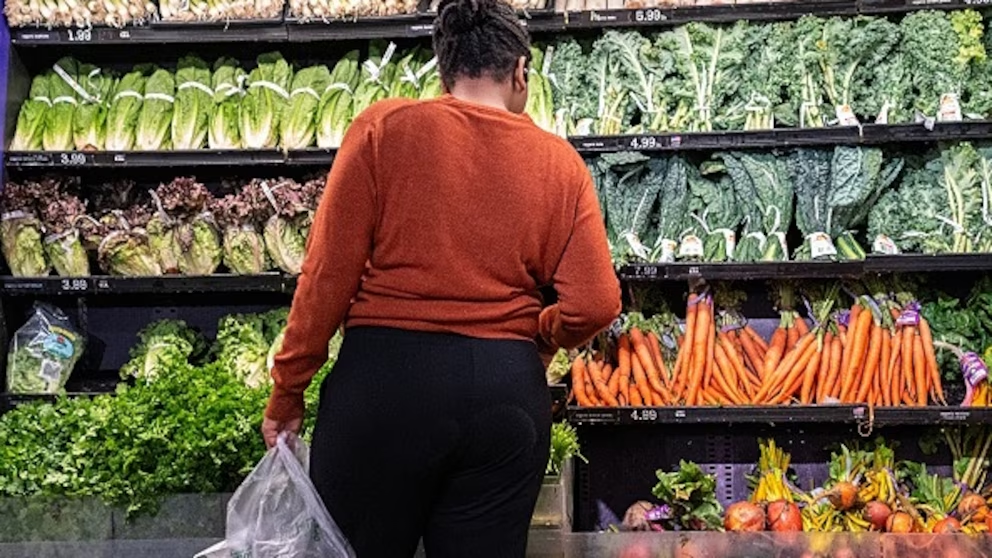
A shopper observes a display of fresh produce on June 4, 2026, at Market 32 Supermarket in South Burlington, Vermont. The cost of food has escalated by nearly 30% since 2020, according to the Bureau of Labor Statistics. Robert Nickelsberg/Getty Images
Ideally, the conflict in Iran would conclude, the Strait of Hormuz would be fully reopened, energy costs and inflation would plummet, and American salaries would climb.
This is according to Mark Zandi, the chief economist for the global financial research firm Moody’s Analytics. However, the present indicators suggest these conditions are unlikely to be fully met in the near future, Zandi informed ABC News, meaning American consumers, already struggling with essential living expenses, can anticipate further financial strain.
“Given the most probable outcomes, I’d advise preparing for difficulties,” Zandi stated.
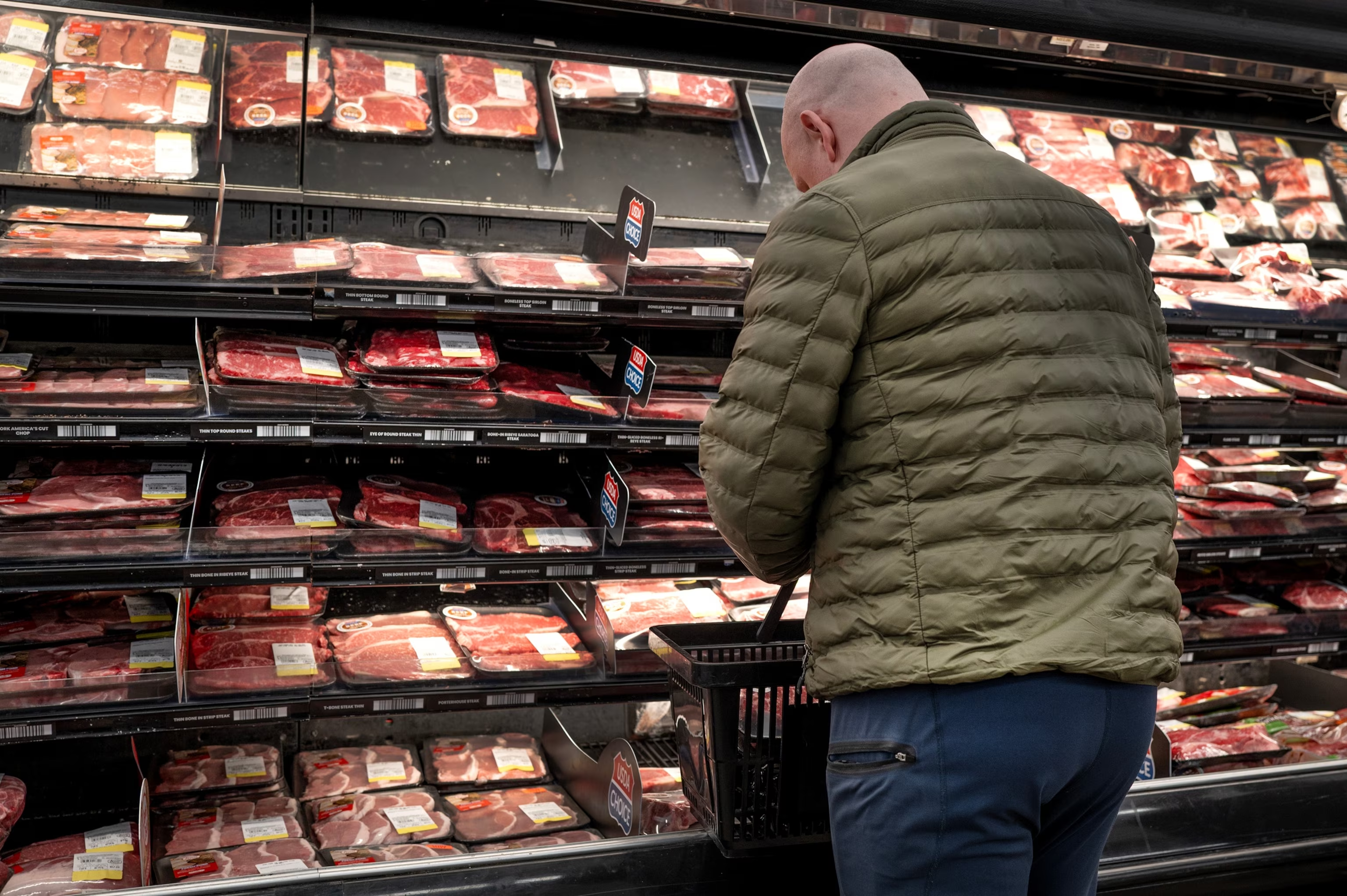
Consumers purchase meat at a grocery store in Chicago, Illinois, on May 22, 2026. Elevated demand and dwindling livestock populations have pushed beef prices to historic highs. Scott Olson/Getty Images
Even with a swift resolution to the war, Zandi elaborated, the inflationary trend, intensified by the Middle Eastern conflict, is expected to persist for the upcoming six to twelve months.
Diane Swonk, chief economist and managing director at KPMG US, communicated to ABC News that inflation linked to the Iran war compounds the price increases many Americans have contended with over the past five years. Factors such as the Russian incursion into Ukraine and the inconsistent economic recovery post-pandemic have also contributed to the current inflationary pressures, she noted.
“Much like how investment returns accumulate to create significant wealth, the cumulative effect of price increases over the last five years has rendered many goods unaffordable,” Swonk remarked.
Inflation reaches its zenith since 2022
Inflation saw a significant rise in May for the third consecutive month, propelled by the ongoing Iran war, breaching the 4% mark for the first time in three years, as reported by the U.S. Bureau of Labor Statistics (BLS) last week.
Prices advanced by 4.2% in May compared to the previous year, marking a 0.5% increase from the preceding month, BLS data indicates.
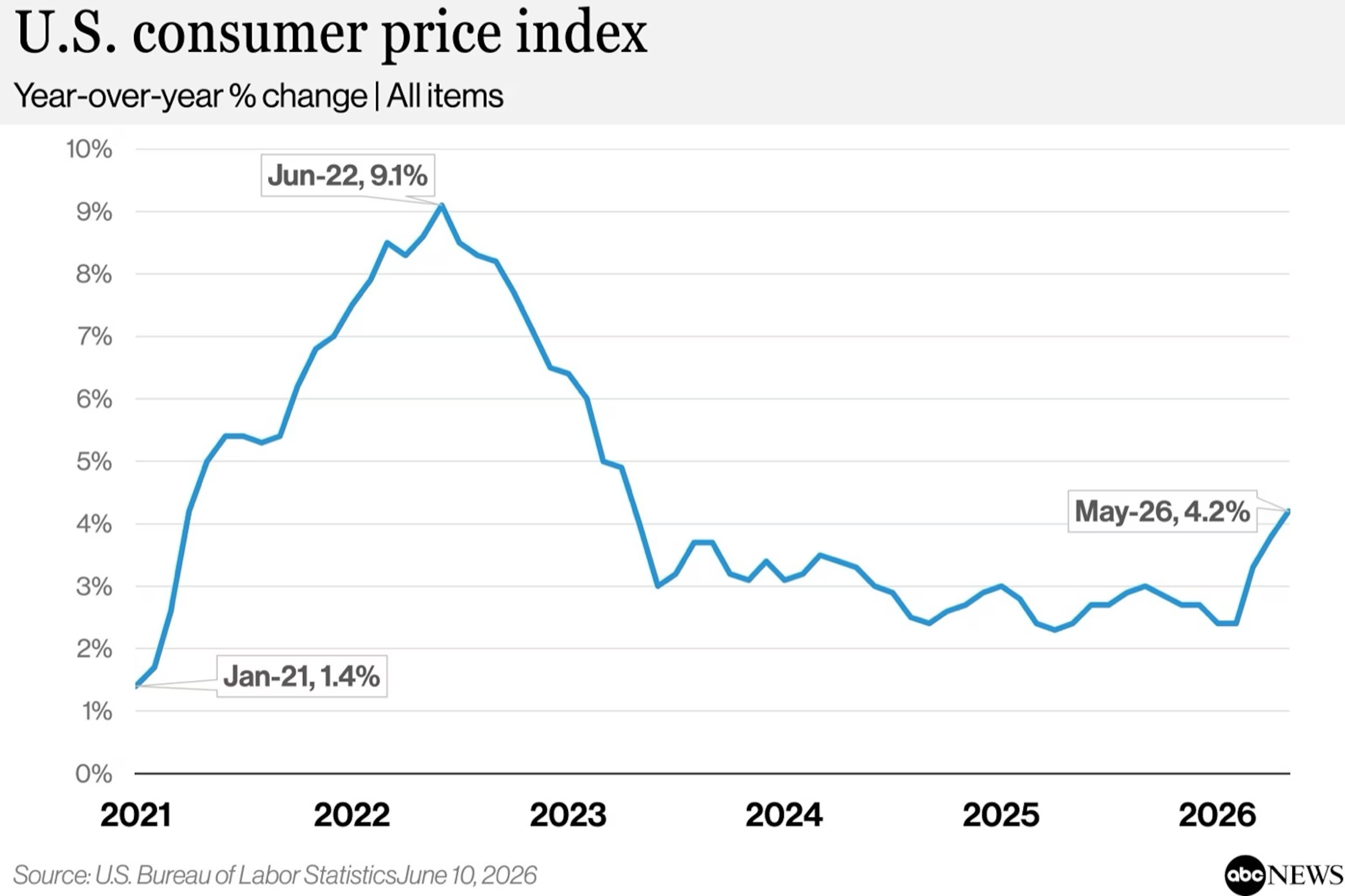
U.S. Consumer Price Index, June 10, 2026. U.S. Bureau of Labor Statistics
On Wednesday, the Federal Reserve maintained its interest rates unchanged amidst the highest inflation levels recorded since 2022. This decision represented the first on interest rates since President Donald Trump’s appointee, Kevin Warsh, assumed the role of Fed chair, succeeding Jerome Powell.
Addressing reporters at a press conference on Wednesday, Warsh reaffirmed his commitment to reducing inflation to the Fed’s target rate of 2%.
“Persistent high prices represent a substantial burden on the American populace,” Warsh stated in Washington, D.C. “This committee is dedicated to ensuring price stability.”
In a significant stride towards achieving this objective, Iran and the United States have established a memorandum of understanding (MoU) to halt hostilities on all fronts for a period of 60 days, commencing immediate negotiations for a lasting peace treaty to end the war. As stipulated in the MoU, which has been publicly disclosed by Iranian authorities, the Strait of Hormuz is anticipated to reopen to all maritime traffic, and a U.S. embargo on Iranian ports will be rescinded.
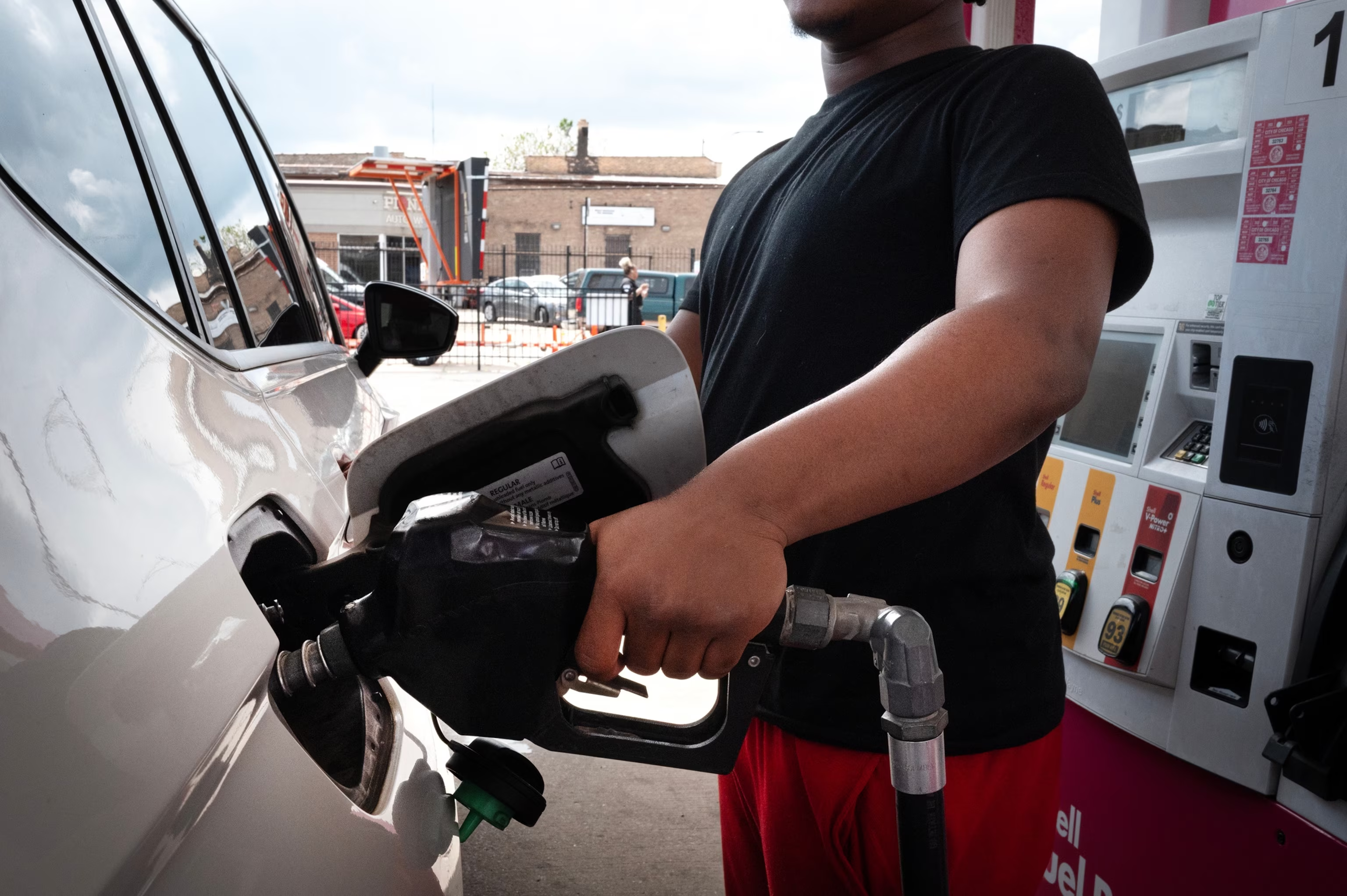
A motorist refuels at a gas station on June 9, 2026, in Chicago. Scott Olson/Getty Images
Zandi indicated that even if the Strait of Hormuz is reopened promptly, leading to a global decrease in energy expenses as tanker operations resume through the vital waterway, it does not guarantee an immediate reduction in the prices of food and other manufactured goods. So-called “pass-through costs,” which are increased expenses directly transferred from producers and suppliers to consumers due to inflation or other factors, typically require several months to adjust.
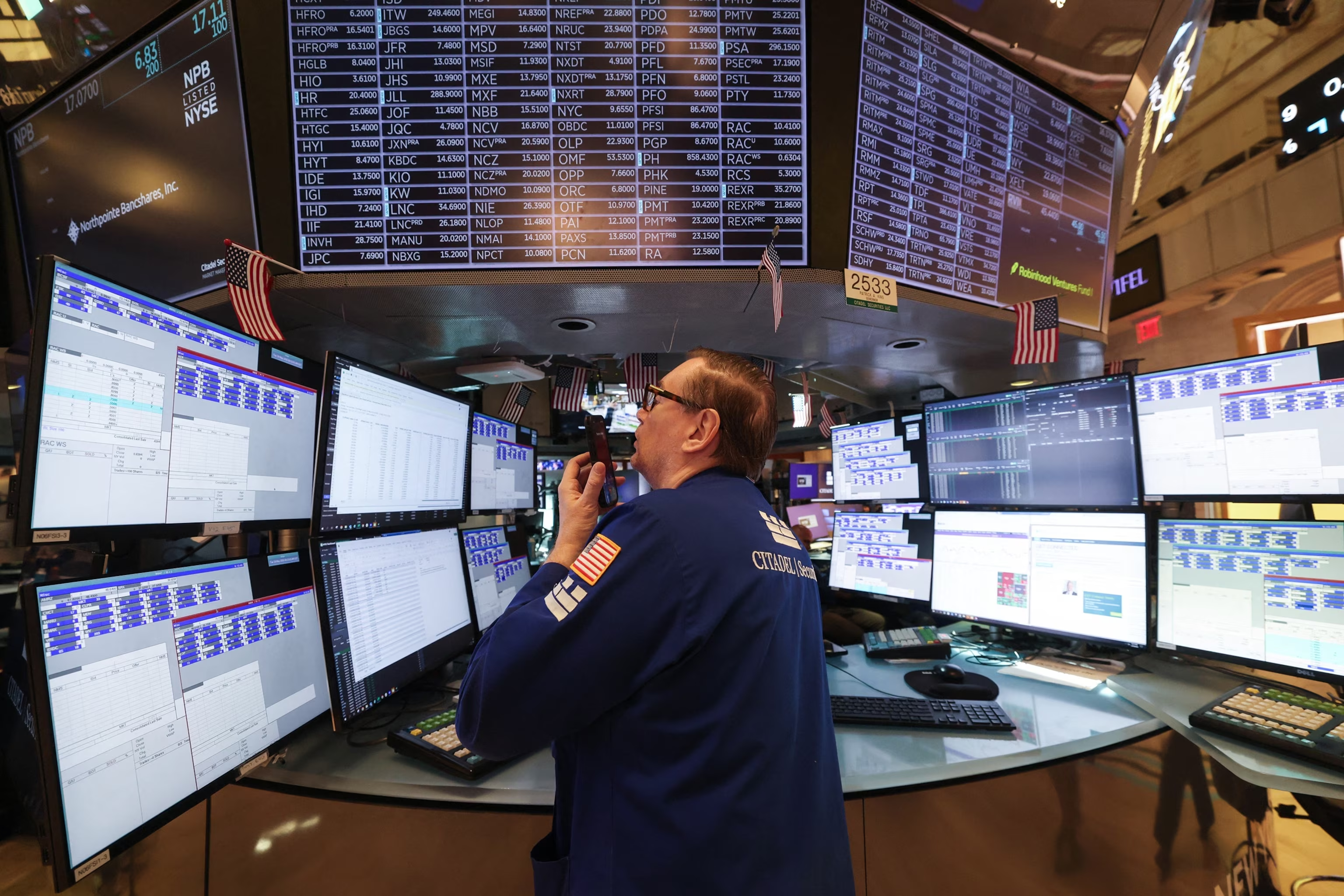
A trader observes activity on the floor of the New York Stock Exchange (NYSE) in New York City on May 19, 2026, as Wall Street stocks declined amid concerns over inflationary pressures. Timothy A. Clary/AFP via Getty Images
“It takes time for the increased expenditures they are incurring to be factored into their pricing and subsequently passed on to their clientele, meaning you and me as consumers,” Zandi explained, adding that elevated energy costs linked to the Iran war have resulted in approximately $600 in additional expenses for the average American household since the conflict’s commencement on February 28.
“The financial impact, especially for lower to middle-income families, is significant and undeniable. For many such households, there are no straightforward resolutions or quick fixes,” Zandi commented.
The escalating expense of tomatoes, beef, and lettuce
Compounding the financial strain on consumers are rising prices not directly attributed to the Iran war.
Last week’s BLS data revealed a substantial increase in the prices of numerous items on grocery store shelves between May 2025 and May 2026. For instance, the cost of tomatoes surged by 32%, lettuce by 24%, coffee by 17%, and ground beef by 12.1%, according to the BLS. Concurrently, however, prices for other goods have decreased, including a 35.2% drop in egg prices and an 8% reduction in the cost of butter.
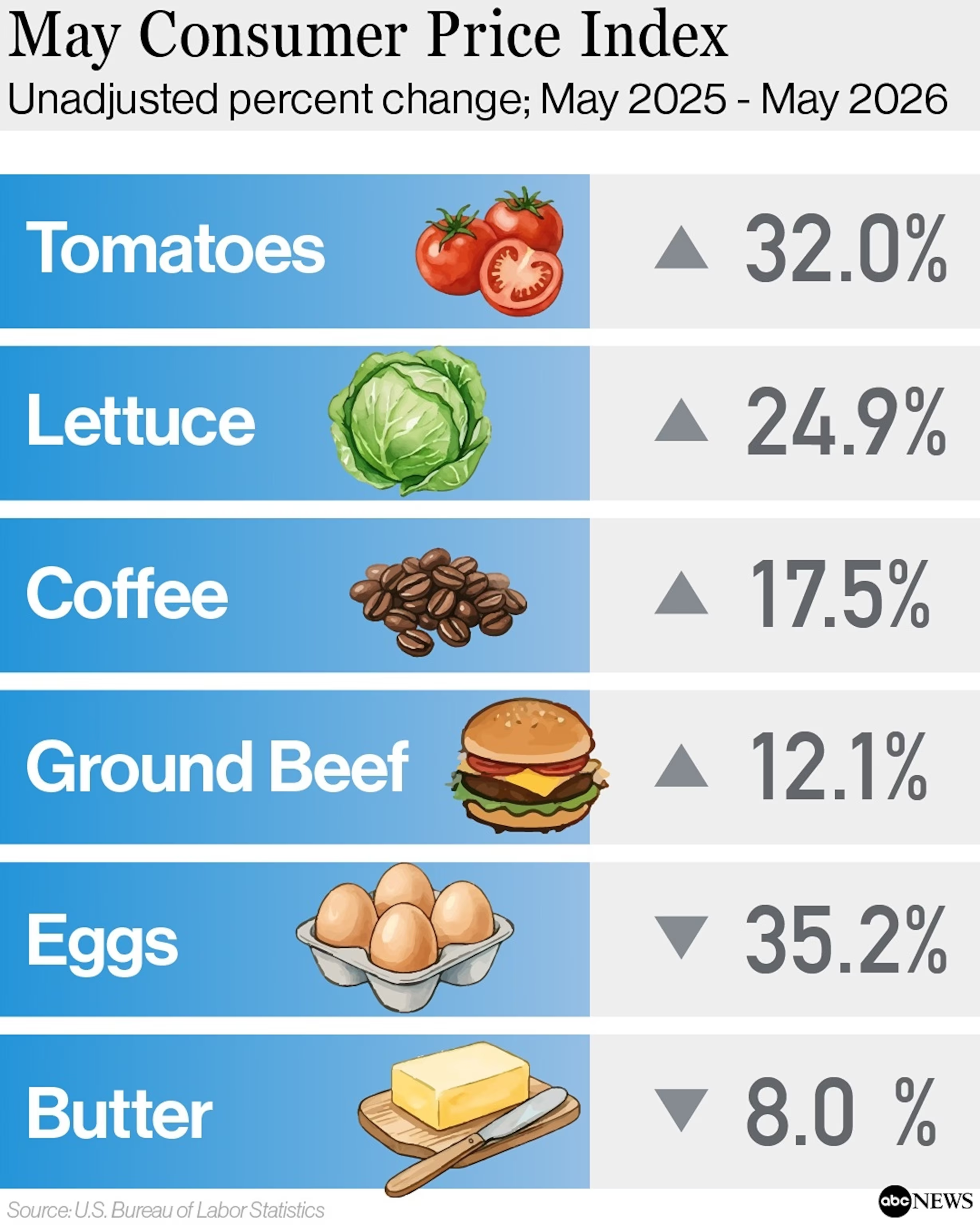
May Consumer Price Index, unadjusted percent change; May 2025 – May 2026. U.S. Bureau of Labor Statistics / Adobe
David Ortega, a food economist and professor at Michigan State University, informed ABC News that the price of beef, for example, is significantly influenced by supply limitations, drought conditions, and robust consumer demand. Furthermore, the cost of tomatoes and lettuce has been affected by adverse weather in key growing regions in Mexico and California, while tariffs implemented by the Trump administration have driven up coffee prices, Ortega stated.
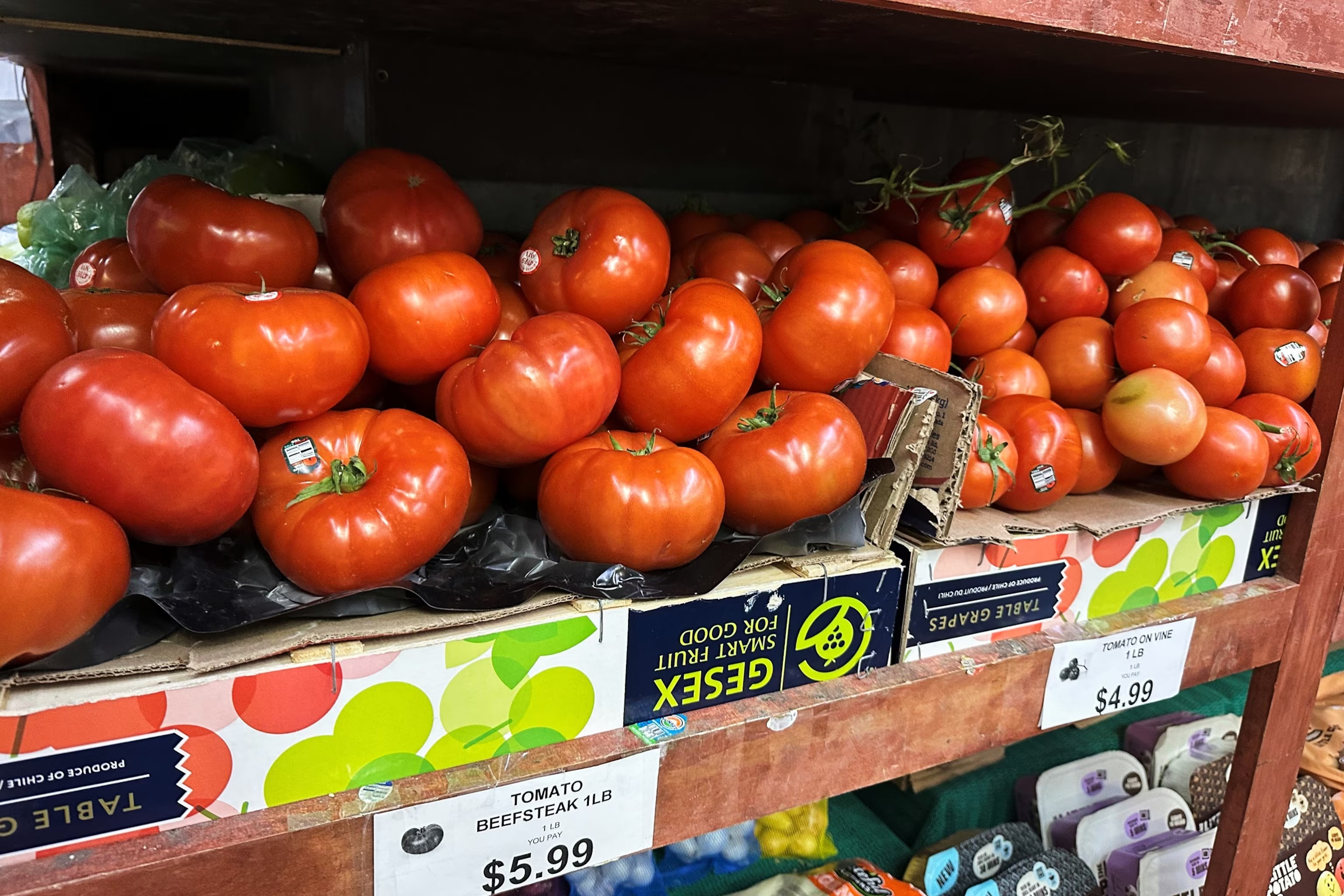
Tomatoes are available for purchase at a New York supermarket on Tuesday, May 26, 2026. (AP Photo/Matt Sedensky). Matt Sedensky/AP Photo/Matt Sedensky
“Regarding food prices, it’s not a single element influencing costs; rather, it’s a confluence of factors, what I term a ‘perfect storm’,” Ortega added.
‘How much more can individuals endure?’
“Currently, we have experienced what appears to be a prolonged period of economic hardship for consumers, extending back one, two, or even three years of financial strain they are compelled to withstand,” Bruce McClary, vice president of the National Foundation of Credit Counseling, told ABC News.
McClary reported a notable increase in Americans seeking assistance from his nonprofit organization and its affiliated partners nationwide to manage their debts, avoid bankruptcy, and fend off debt collectors.
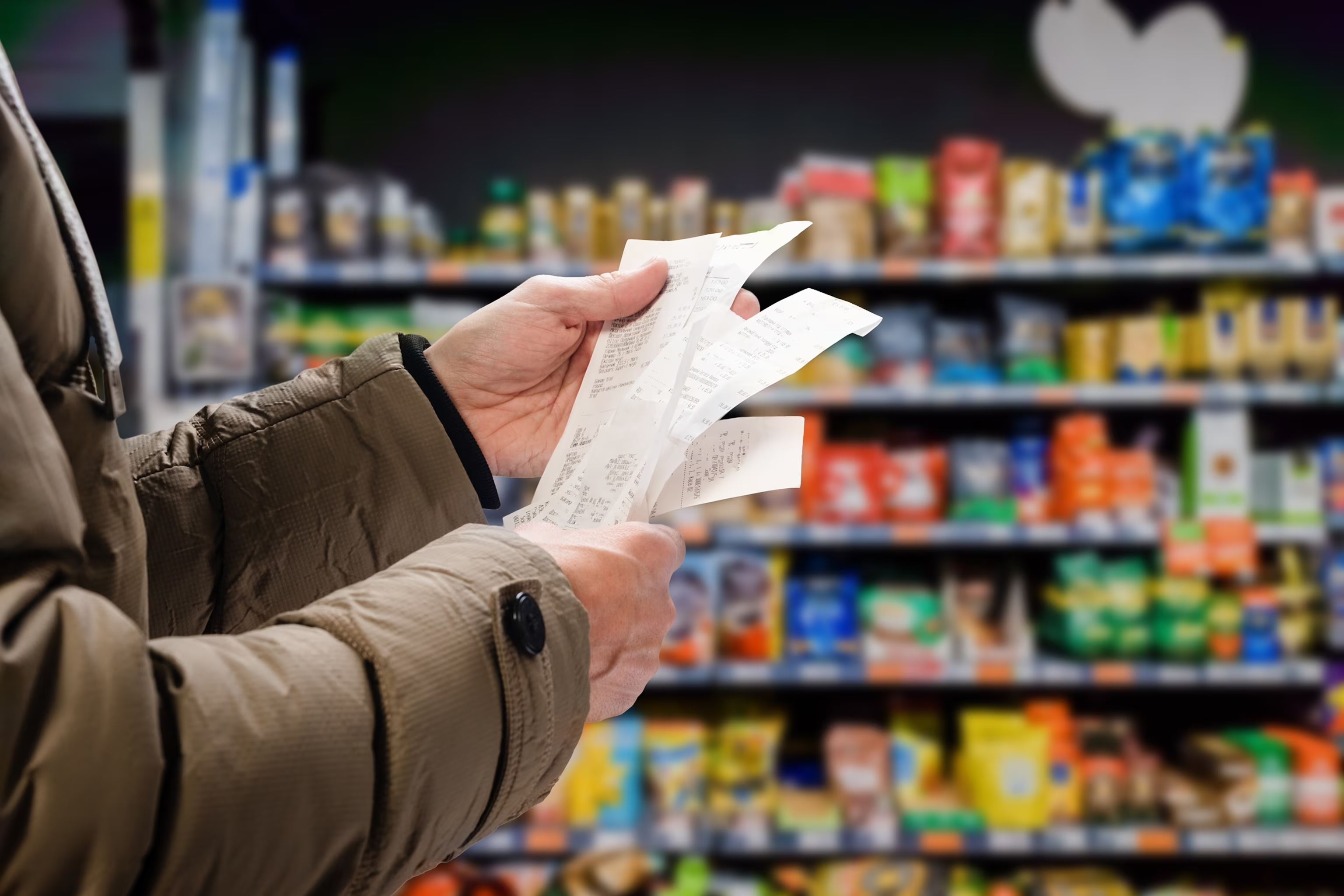
A person reviews a receipt at a supermarket. Adobe
“It’s not that they are overspending on non-essential items like extravagant vacations, luxury vehicles, or fur coats,” McClary stated. “They are grappling with fundamental necessities.”
McClary mentioned that individuals earning up to $100,000 annually, falling into higher-middle-income brackets, are also seeking financial guidance.
“Many individuals are caught in a cycle of survival debt that cannot be sustained indefinitely before they reach a breaking point,” McClary observed.
He pointed out that his organization publishes a quarterly Financial Stress Scale, which quantifies the financial distress experienced by Americans on a scale of 1 to 10, with 10 representing the most severe level. The organization’s latest report indicated a financial stress level of 6.6 in the first quarter of the year, a slight improvement from the 6.8 recorded in the fourth quarter of the preceding year, McClary shared.
“Our projection for Q2 of this year is a final score of 6.7,” McClary indicated.
In comparison, the stress scale registered 3.1 in 2022, according to McClary.
“We have transitioned from a historic low to a historic high. This represents an alarming escalation,” McClary asserted.
Strategies for consumers to navigate high inflation
Exacerbating the situation is the fact that wages are not keeping pace with inflation, according to Zandi, who noted that wage growth hovers around 3.5% while inflation is approximately 4%.
“In essence, real disposable income – which is income after accounting for inflation and taxes – is declining on a year-over-year basis,” Zandi stated. “This phenomenon is seldom observed outside of economic downturns.”
He further advised that Americans will “need to make difficult decisions,” including foregoing vacations and limiting expenditures to essential needs exclusively.
“They will have to curtail their spending,” Zandi remarked. “This trend fuels a significantly weaker economy, potentially leading businesses to reduce hiring, implement layoffs, and increase unemployment, thereby initiating a self-perpetuating negative cycle that could culminate in a recession.”
McClary emphasized that the primary recommendation his organization offers clients to weather inflation-induced financial difficulties is to refrain from utilizing credit cards, which carry average interest rates exceeding 20%, to cover budget shortfalls.
Total U.S. credit card debt reached $1.25 trillion in the first quarter of this year, an increase from $1.18 trillion in the final three months of 2025, according to a recent study by the New York Federal Reserve – representing a rise of nearly 6%.
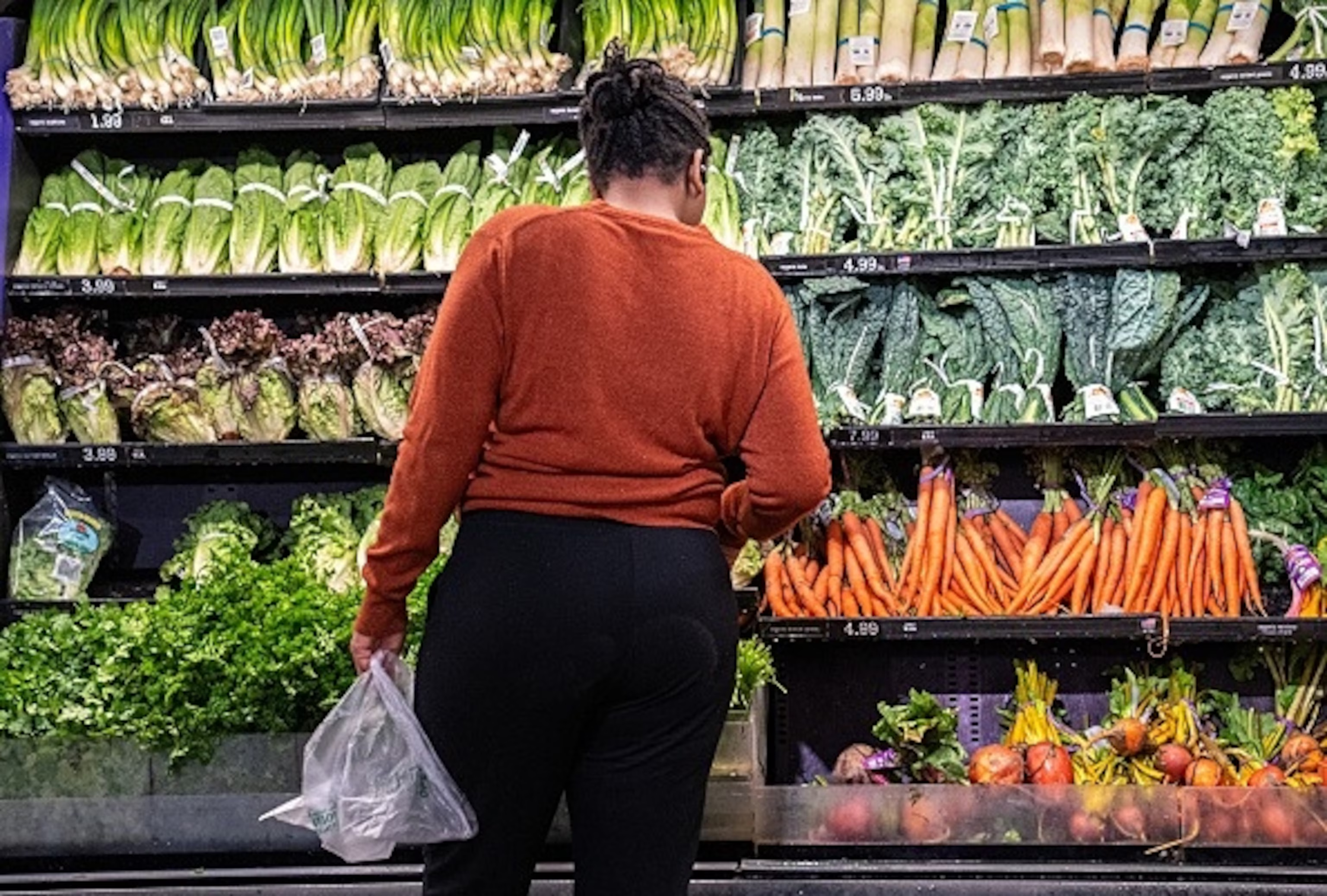
A shopper examines a display of fresh vegetables on June 4, 2026, at Market 32 Supermarket in South Burlington, Vermont. Food prices have surged by almost 30% since 2020, according to the Bureau of Labor Statistics. Robert Nickelsberg/Getty Images
“If your budget is already strained, you should not regard your line of credit as a lifeline,” McClary advised. “You need to explore all available avenues to prevent deepening your debt.”
Zandi suggests that Americans should become more discerning shoppers: “It is essential to compare prices, examine your available alternatives, and exercise prudence in your spending habits.”
Ortega added that consumers should also cultivate flexibility in their food choices.
“Opting for store brands can also be beneficial,” Ortega remarked. “These products are typically offered at a significantly more accessible price point, and often, the quality is comparable.”
Sourse: abcnews.go.com