
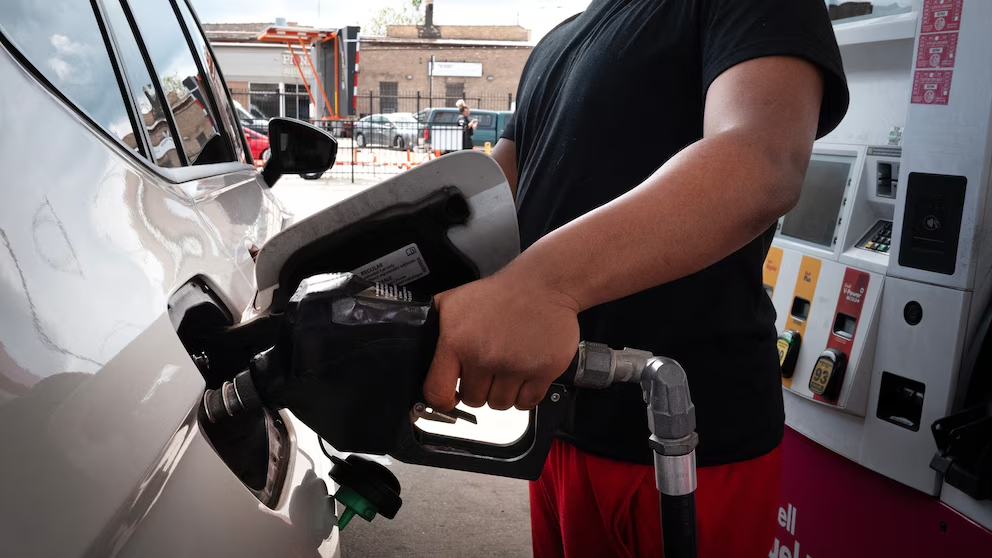
LiveA motorist purchases gas at a station, June 9, 2026, in Chicago.Scott Olson/Getty Images
Fuel costs have been trending downwards towards the $4 per gallon mark recently, approaching this significant threshold as crude oil expenses have moderated following discussions between the United States and Iran.
According to AAA data, the nationwide average cost for a gallon of gasoline is now $4.10, reflecting a decrease of 40 cents, or 8.8%, over the last month. However, fuel prices remain $1.12 higher than their pre-Iran conflict levels.
Some market observers suggest that the national average price might dip below $4 in the coming days, though they caution that this is not a certainty. They further indicate that a persistent global crude oil deficit poses a risk of reigniting price hikes, particularly if tensions escalate in the Middle East.
Ramanan Krishnamoorti, a petroleum engineering professor at the University of Houston, anticipates that gasoline prices will fall below $4 a gallon in as little as seven days.
Nevertheless, he expressed reservations about the sustainability of this potential price reduction.
“I believe one should be very, very skeptical,” Krishanamoorti stated. “Any global disturbance is likely to exert considerable upward pressure on U.S. gasoline prices.”
A comparable viewpoint was shared on Friday by Patrick De Haan, a petroleum analyst at GasBuddy, who posted on X that a price drop below $4 a gallon was expected “soon.”
“Permanent?” De Haan inquired. “It’s too soon to ascertain.”
Gasoline prices were below the $4 mark as recently as late March. Prior to surpassing $4 a gallon on March 31, the national average gas price had remained under $4 for almost four years.
The conflict in the Middle East led to Iran’s closure of the Strait of Hormuz, a vital maritime trade route responsible for transporting approximately one-fifth of the world’s oil supply. This geopolitical standoff triggered one of the most significant oil market disruptions on record, driving up gasoline prices.
However, crude oil prices began to decline in mid-May as Iran and the U.S. showed signs of being amenable to reaching an agreement that would allow the strait to reopen.
In recent days, high-ranking officials from the U.S. and Iran have indicated that a resolution is approaching, although they have presented differing accounts of the proposed accord. Pakistan’s Prime Minister Shehbaz Sharif announced via an X post that a “final, agreed upon text of the peace deal has been reached” between the U.S. and Iran.
“Pakistan is now working closely with both sides to finalize the next steps,” Sharif wrote on Friday. “Peace has never been this close as it is now.”
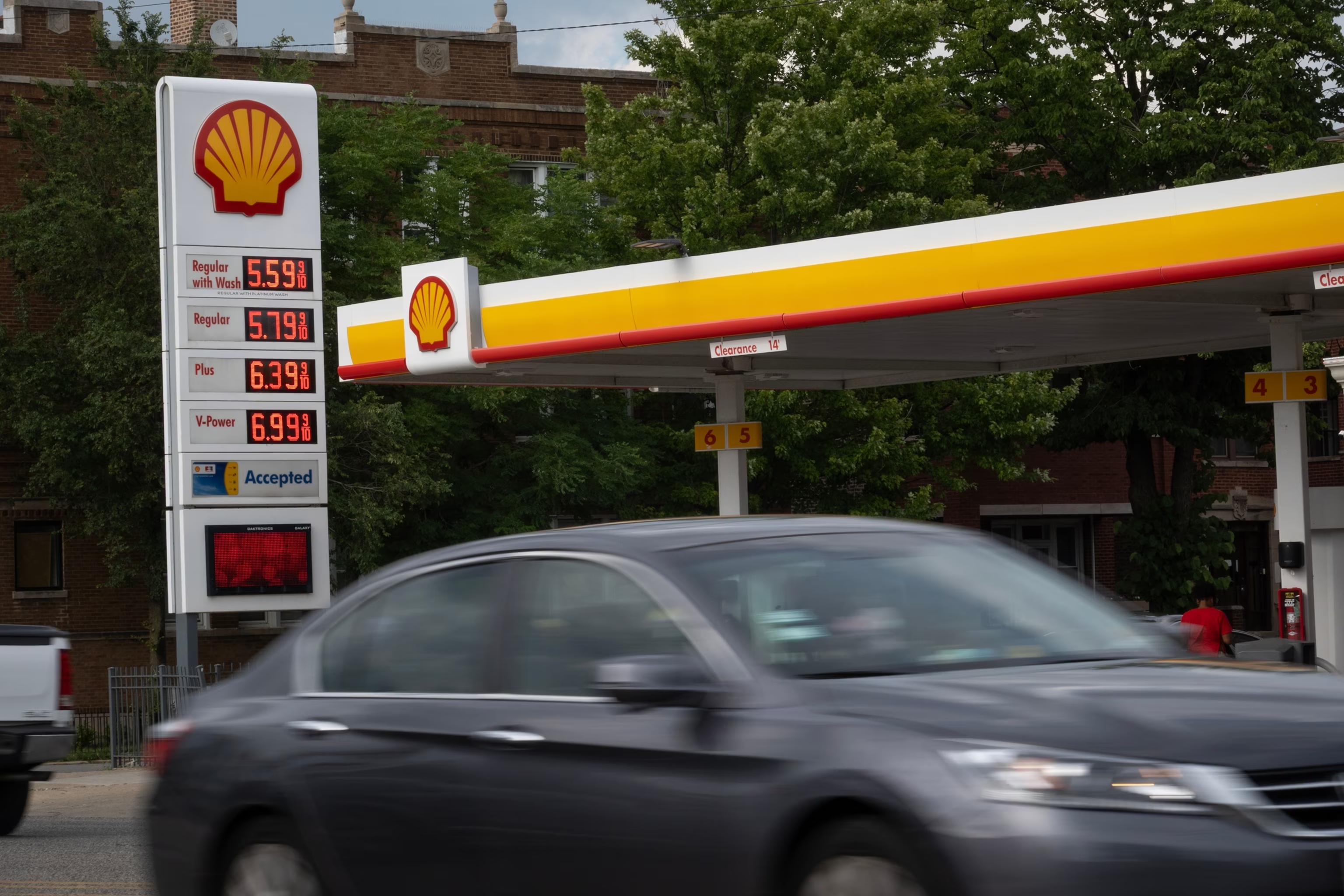
Fuel prices are displayed at a gas station, June 9, 2026, in Chicago.Scott Olson/Getty Images
On Friday, U.S. crude oil prices dropped to approximately $84 per barrel, signifying a decrease of about 20% from their recent peak on May 19.
According to the U.S. Energy Information Administration, crude oil serves as the primary component of motor fuel, constituting over half of the cost consumers pay at the pump.
The United States is a net exporter of petroleum, meaning it produces more oil than it uses. However, because oil prices are determined by the global marketplace, prices in the U.S. fluctuate in response to shifts in worldwide supply and demand.
Despite this, some analysts have pointed out that oil prices have demonstrated considerable volatility throughout the duration of the Iran conflict.
Timothy Fitzgerald, a professor of business economics at the University of Tennessee specializing in the petroleum sector, expressed skepticism about the likelihood of prices falling below $4. He suggested that crude oil prices, and consequently gasoline prices, could instead climb in the coming days if Middle Eastern tensions intensify.
“The oil market is seeking tangible evidence of a resolution – not merely optimistic signs or hopes,” Fitzgerald remarked.
Industry experts note that gasoline prices typically decline at a slower rate than they increase, as retailers tend to maintain higher prices while selling off inventory that was purchased at a greater expense.
“I would anticipate the distribution network to be cautious regarding how this reduction in oil prices is passed on,” Fitzgerald commented. “It might eventually be reflected in the prices.”
Sourse: abcnews.go.com