
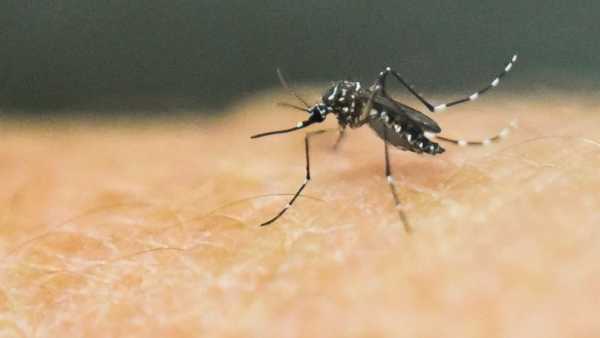
In this Jan. 25, 2016, archive image, an Aedes Aegypti mosquito is depicted on a person’s skin in a laboratory at the International Training and Medical Research Training Center, located in Cali, Colombia.Luis Robayo/AFP via Getty Images, FILE
On Tuesday, health authorities in Texas verified the state’s initial human case of West Nile virus for the current year, a sign that mosquito season is commencing across the United States.
Government health experts have cautioned that increasing temperatures have enabled mosquito populations to flourish, elevating the potential for diseases transmitted by these insects, including West Nile.
Data from the Centers for Disease Control and Prevention shows that last year, the United States documented 2,076 West Nile occurrences spanning 47 states. Colorado reported the highest count (285), followed by Illinois, Texas, Minnesota, and California.
The Texas Department of State Health Services stated that the affected individual resided in Harris County, which encompasses Houston; however, further details regarding the patient were not disclosed.
“West Nile and other ailments carried by mosquitoes are a reality in Texas during the warmer periods, and all Texans should take preventative measures against mosquito bites to ensure their safety and well-being,” stated Texas DSHS Commissioner Dr. Jennifer A. Shuford in a public statement. “By eliminating stagnant water around residences, individuals can reduce mosquito breeding sites and decrease insect presence in their vicinity.”
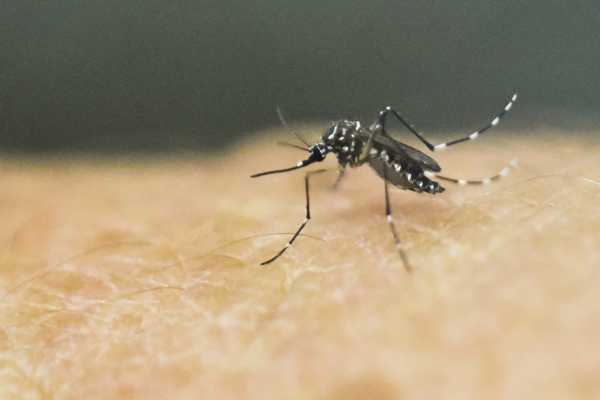
In this Jan. 25, 2016, archive image, an Aedes Aegypti mosquito is depicted on a person’s skin in a laboratory at the International Training and Medical Research Training Center, located in Cali, Colombia.Luis Robayo/AFP via Getty Images, FILE
Since 1999, the CDC estimates that West Nile virus has been responsible for approximately 2,900 American deaths. Typically, cases are reported between June and October, with a historical peak in August.
The virus is transmitted through the bite of an infected mosquito. The risk is elevated among older adults, those with specific health issues — such as cancer, hypertension, and renal disease — and individuals with weakened immune defenses.
Manifestations encompass fever, cephalalgia, muscular discomfort, emesis, diarrhea, and cutaneous eruptions. Severe disease can impact the central nervous system, potentially leading to hospitalization or fatality, as per the CDC.
Currently, there is no immunization offering protection against West Nile virus; the CDC advises that averting mosquito bites remains the foremost method of self-protection.
There are no specific therapies available. Physicians advise that patients obtain rest, consume fluids, and use analgesics to assist in alleviating certain symptoms. The CDC indicates that individuals with severe illness may require hospitalization for supportive care.
The CDC suggests that the majority of individuals who contract West Nile virus are believed to develop enduring immunity. Nevertheless, immunity may diminish over time in some individuals with compromised immune systems or particular conditions.
Sourse: abcnews.go.com