GET THE LATEST INTERNATIONAL AND POLITICAL NEWS
1 NEWS DAY. View the latest news and breaking news today for U.S., Europe, and the United Kingdom, covering a wide range of topics including entertainment, politics, sport, business, technology, and culture. Stay informed with NEWS DAY.
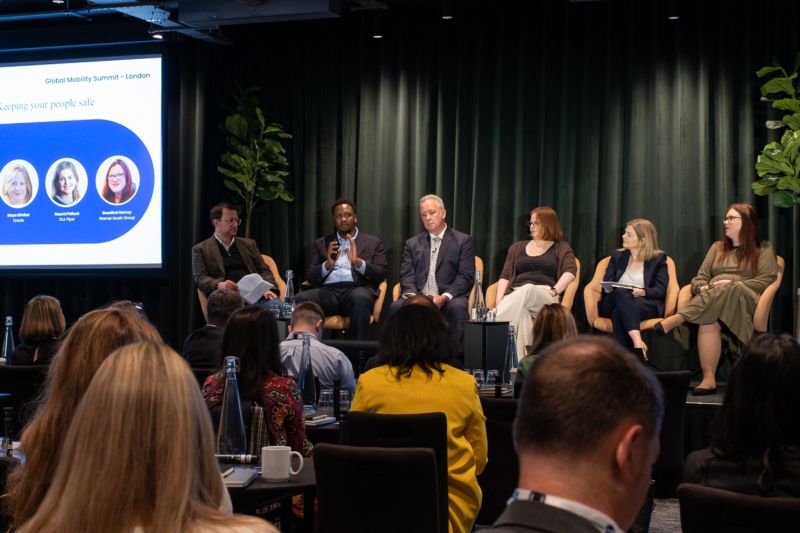
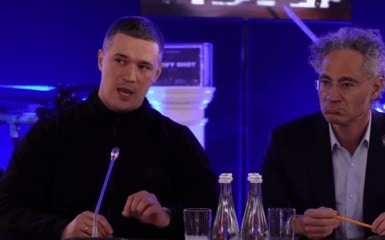
Roman Sterling Spoke at the Global Mobility Summit in London
An expert from MAURI BUSINESS SRL, a company providing professional immigration and relocation services, spoke at the Global Mobility Summit…
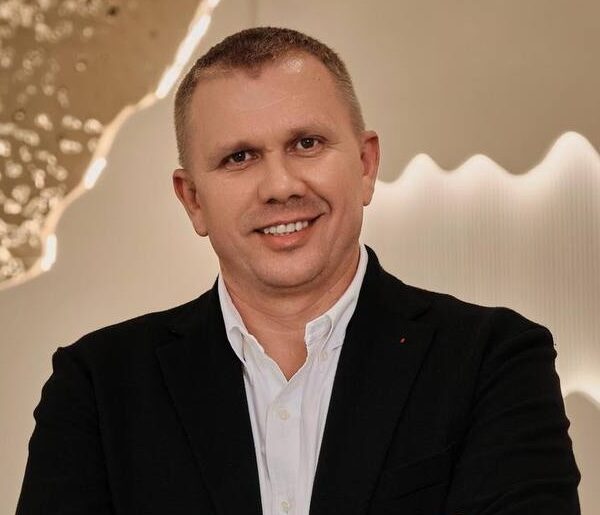

WORLD

“I Wanted Ukrainian Cuisine to Be Recognized in the Center of Rome”:…
Ukrainian restaurateur Mykola Oleksiv continues to develop the Ukrainian restaurant«ANASTASIA»…

Where can I find information about cryptocurrencies, cryptocurrency exchanges and brokers?
Cryptocurrencies have been making waves in the world of finance…

Tienda Adidas
Adidas es una empresa alemana fundada en 1924. La compañía…

Let’s learn and self-development online for free
In order to maintain a balanced lifestyle, it is crucial…
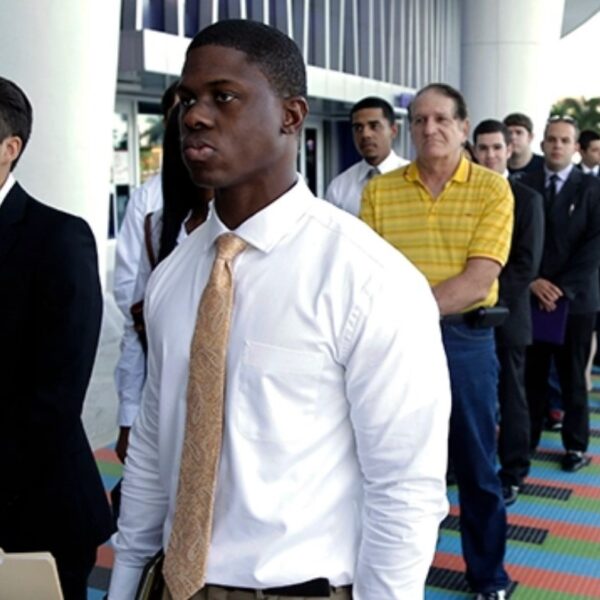
Job Market in USA
The labor market in the United States is one of…
POLITICS
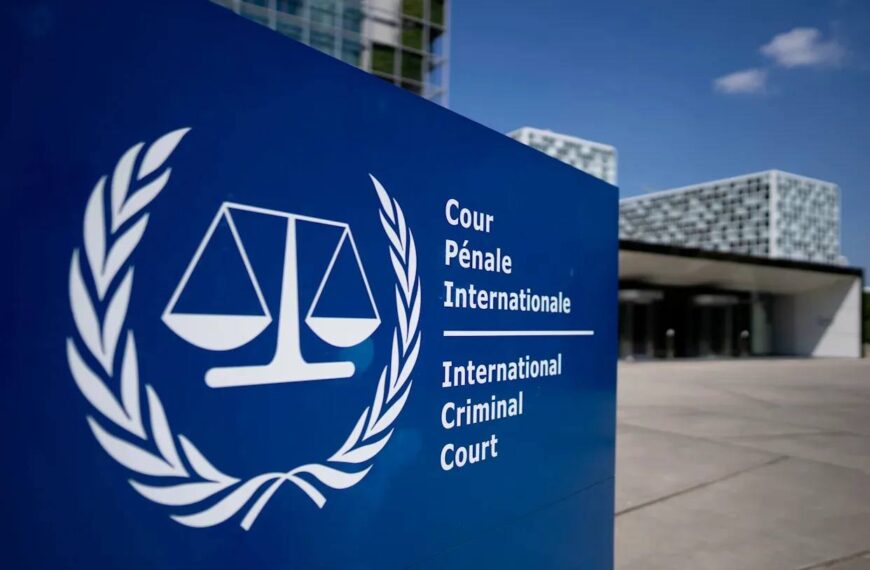
The International Criminal Court and Netanyahu: Challenges to Justice in March 2026
In March 2026, the Middle East once again found itself…
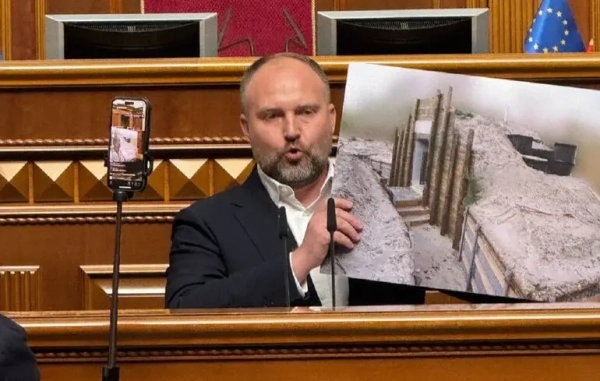
Pronin denies abuses in the construction of fortifications by the Poltava OVA…
© Yaroslav Zheleznyak Telegram At the same time, MP Zheleznyak…
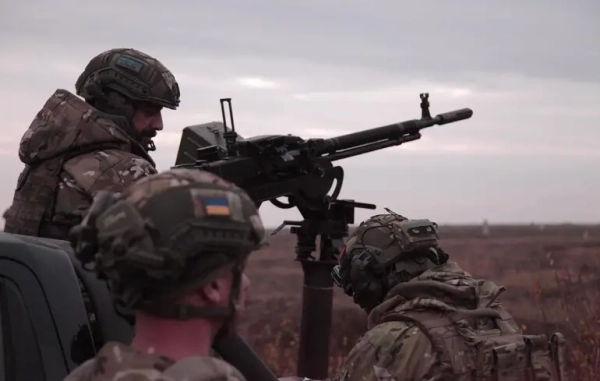
Russia’s offensive on Pokrovsk – Europe is concerned about security guarantees for…
© 34th Separate Coastal Defense Brigade The topic of guarantees…
Business




Culture & Society
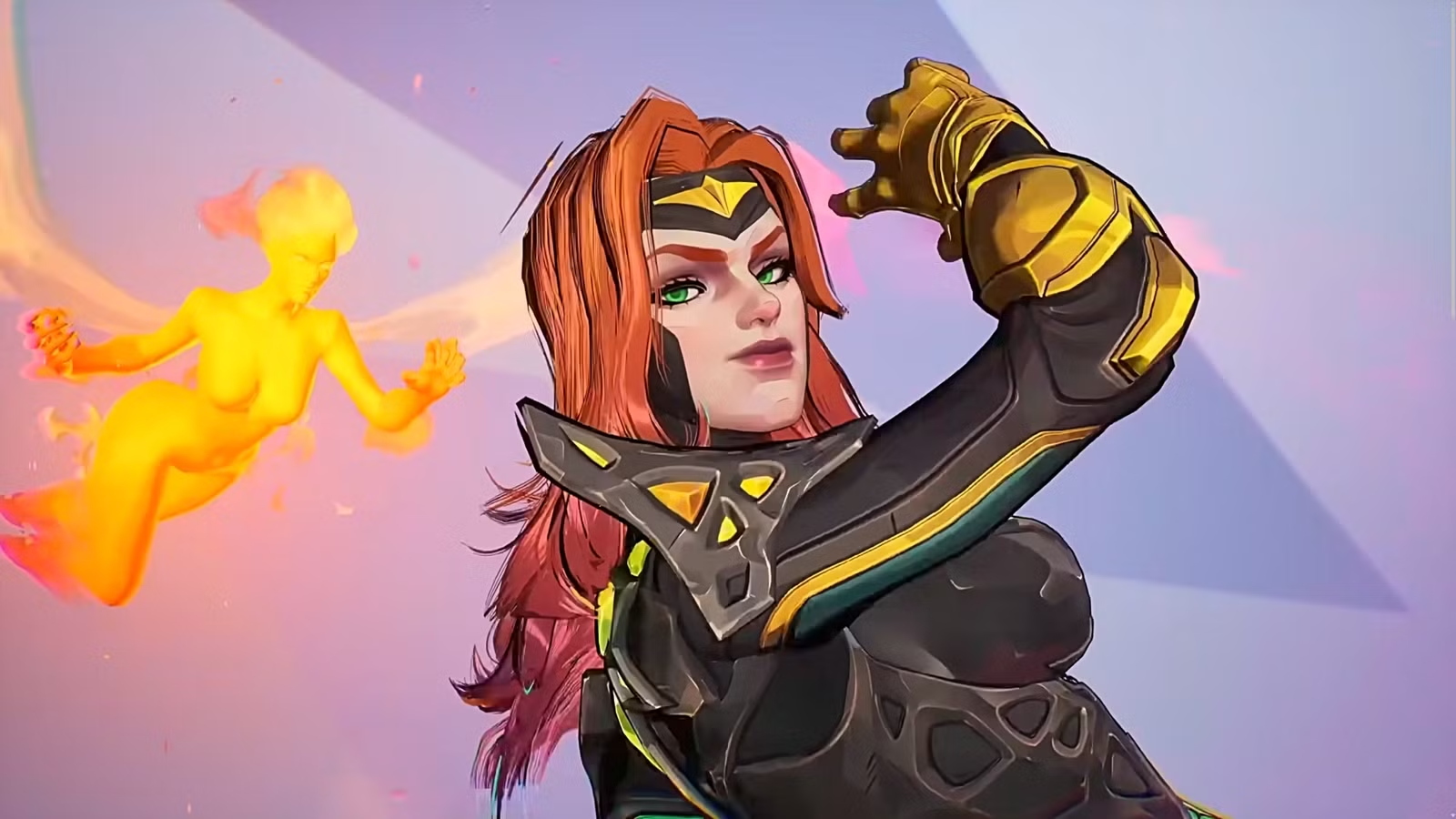
The Game That Lets You Become a Marvel Superhero
Marvel has always been about fantasy. For decades, people have imagined what it would feel like to fly like Iron Man, command dark magic like Scarlet Witch, or charge into battle with the raw strength of Hulk. Movies brought these…

CSGORUN Launches BBQ EVENT: A Fresh Spin on CS2 Case Experiences

How AI chatbots are changing the way we work and communicate in 2026
The gap between free and paid AI tools…

What Are Nano Brows? Nano Brows vs Microblading: The Key Difference
Sport
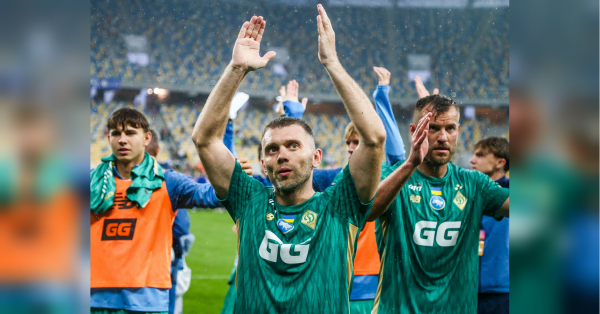
Dynamo and Ukrainian national team player transferred to…
Dynamo and Ukrainian national team player Oleksandr Karavayev, 33, who won the Ukrainian Cup with the “white-blues”, has left the capital club and will continue his No related posts.
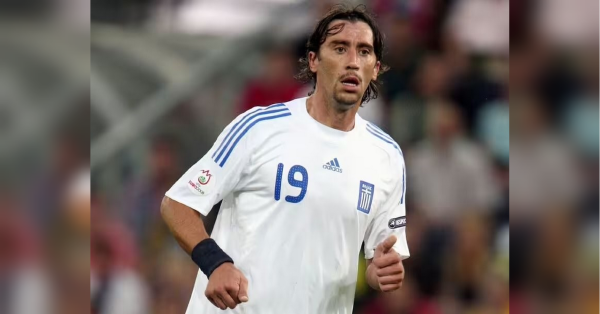
The famous former European national team footballer did…
Former Olympiacos and Greece national team player Paraskevas…
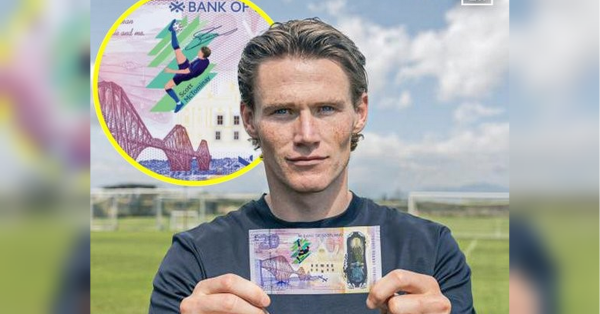
The Bank of Scotland has released a 20-pound…
The Bank of Scotland has introduced a limited…
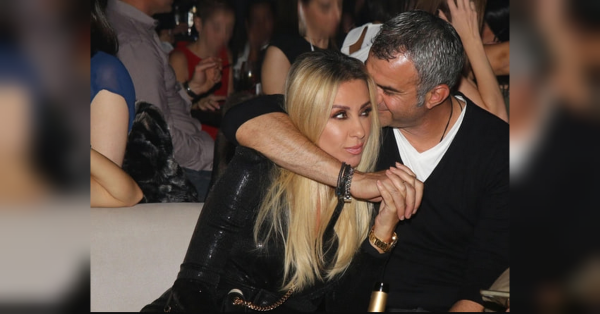
Tragedy struck the family of the European football…
Trajanos Dellas, 50, a 2004 European football champion…
Editor’s Choice

There's more life in this than in bare…
We have been told for a long time and persistently that empty space is a sign of a pure mind, and minimalism is almost a religion. And the main exporter of this religion has always been Japan. But I came…

Why are we still waiting for good to…
Mythology is a tricky thing, because it never…

An expensive sofa won't save you: 7 little…
We are all a little crazy in our…

Sydney drone crash
I'm looking at the latest footage from Sydney.…
1 NEWS DAY: Your Daily Source for Global Insights
Welcome to 1 NEWS DAY, your premier digital destination for comprehensive coverage of the most significant events shaping our world. We provide a deep dive into the stories that matter, from high-stakes international diplomacy to the local trends that influence global society. Our mission is to keep you informed, engaged, and ahead of the curve.
Global Politics and Market Trends
In an ever-changing landscape, understanding politics is essential. 1 NEWS DAY offers analytical reporting on international relations, government policies, and the shifting dynamics of power across continents. Complementing our political coverage, our business section tracks market fluctuations, economic shifts, and corporate strategies, ensuring you never miss a beat in the financial world.
Innovation in Technology and Science
The future is happening now, and we are here to document it. Explore the latest breakthroughs in technology and IT, from AI advancements to digital security. Our Science & Health category focuses on medical discoveries, environmental research, and wellness tips that empower you to live a healthier life while staying informed about the scientific community’s latest achievements.
Culture, Society, and Human Interest
Beyond the hard news, 1 NEWS DAY celebrates the richness of human experience. Our editors curate interesting articles about culture and society, exploring the arts, traditions, and lifestyles of diverse nations. We take you behind the scenes of global events to provide a holistic view of the world we share.
Sport and Investigative Journalism
For the fans and the enthusiasts, our sport section covers everything from major championships to rising athletes across various disciplines. Furthermore, we don’t shy away from the truth; we provide detailed coverage of loud scandals and investigative reports that hold institutions accountable and bring hidden stories to light.
If you are interested in placing an advertisement or have any suggestions, please contact the editorial office by email: [email protected]