

A satellite near-infrared image displays fumes emanating from petroleum storage containers at the Russian Baltic Sea harbor of Ust-Luga, targeted on numerous occasions in Ukrainian offensives, located in Ust-Luga, Russia, on March 29, 2026.Vantor/via Reuters
LONDON — Ukraine initiated a greater quantity of cross-border assault drones than Russia during a month-long duration, marking the inaugural instance since the war began in 2022, based on the daily figures issued by the Ukrainian Air Force and the Russian Defense Ministry, which were scrutinized by ABC News.
The Russian defense ministry communicated that it had downed 7,347 Ukrainian unmanned aerial vehicles in March, the largest monthly figure Moscow has ever announced, averaging 237 devices per day. The defense ministry solely disseminates data regarding Ukrainian drones that it claims to have successfully intercepted.
Conversely, Ukraine’s air force stated that its forces encountered 6,462 Russian drones and 138 missiles of various types throughout the month, with 5,833 drones and 102 missiles — roughly 90% of drones and slightly below 74% of missiles — being intercepted or neutralized.
Thus, Ukraine confronted a daily mean of just beyond 208 drones and four missiles during March, as per the information released by Kyiv.

A satellite near-infrared image displays fumes emanating from petroleum storage containers at the Russian Baltic Sea harbor of Ust-Luga, targeted on numerous occasions in Ukrainian offensives, located in Ust-Luga, Russia, on March 29, 2026.Vantor/via Reuters
ABC News cannot confirm independently the data published by either Russia or Ukraine. Specialists have indicated the possibility that both factions might seek to inflate the efficacy of their air defenses or exaggerate the attacks they face as evidence that their adversaries are disinclined toward pursuing a peaceful resolution.
The aggregate count of 6,600 Russian drones and missiles reported by Ukraine’s air force across the month constitutes a fresh high for a singular month of Russian long-distance assaults.
Ukraine’s air force disseminates what it identifies as a daily record of Russian drone and missile strikes, encompassing details regarding the quantity of munitions intercepted and the number that struck targets.
Russia initiated the month’s most substantial overarching offensive within a 24-hour timeframe by either side. Ukraine’s air force reported that Moscow launched 948 drones and 34 missiles into the nation on March 24.
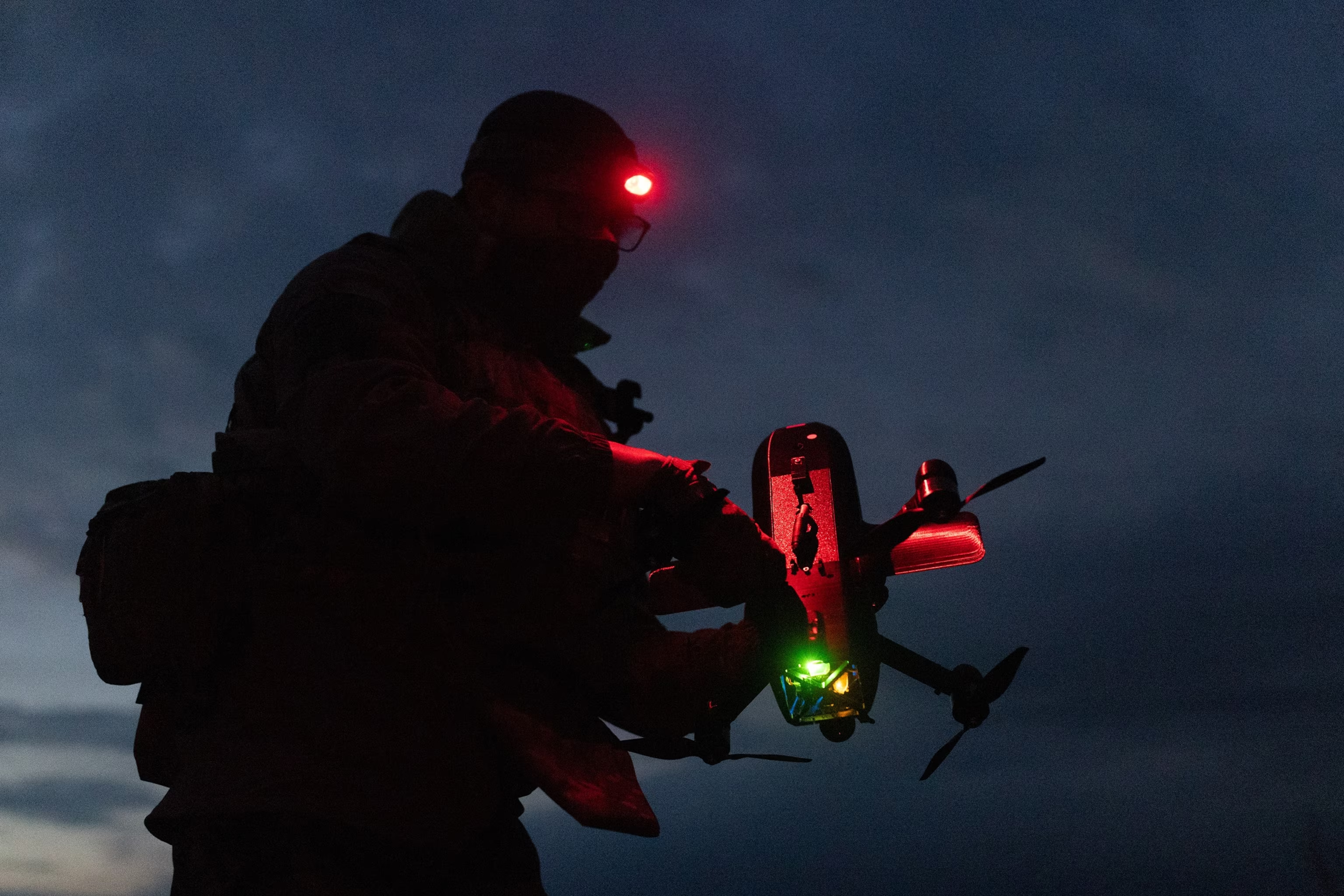
A soldier of the Unmanned Systems Forces readies a ‘Salut’ drone on March 31, 2026 in Kharkiv, Ukraine.Nikoletta Stoyanova/Getty Images
Long-range drone and missile bombardments have been a pivotal component of the discord as both Kyiv and Moscow endeavor to diminish the other’s economy and undermine their aptitude to prosecute and finance the ongoing battle. The attacks have persisted despite the resumption of U.S.-mediated peace negotiations.
To this point, Russia has maintained the capacity to deploy more drones and missiles into Ukraine, with Ukrainian leaders denoting Moscow’s nightly fusillades as a serious peril to the nation’s strategic standing. However, March’s figures intimate that the equilibrium may be tilting increasingly in Ukraine’s advantage, as Kyiv’s protracted initiatives to broaden its drone and missile capabilities yield results.
Ukrainian President Volodymyr Zelenskyy has been unambiguous regarding Kyiv’s intentions to escalate Ukraine’s long-distance strike proficiencies.
“Our production potential for drones and missiles alone will reach $35 billion next year,” Zelenskyy stated in October. “Despite all the difficulties, Ukrainians are creating their national defense product that, in certain parameters, already surpasses many others in the world.”
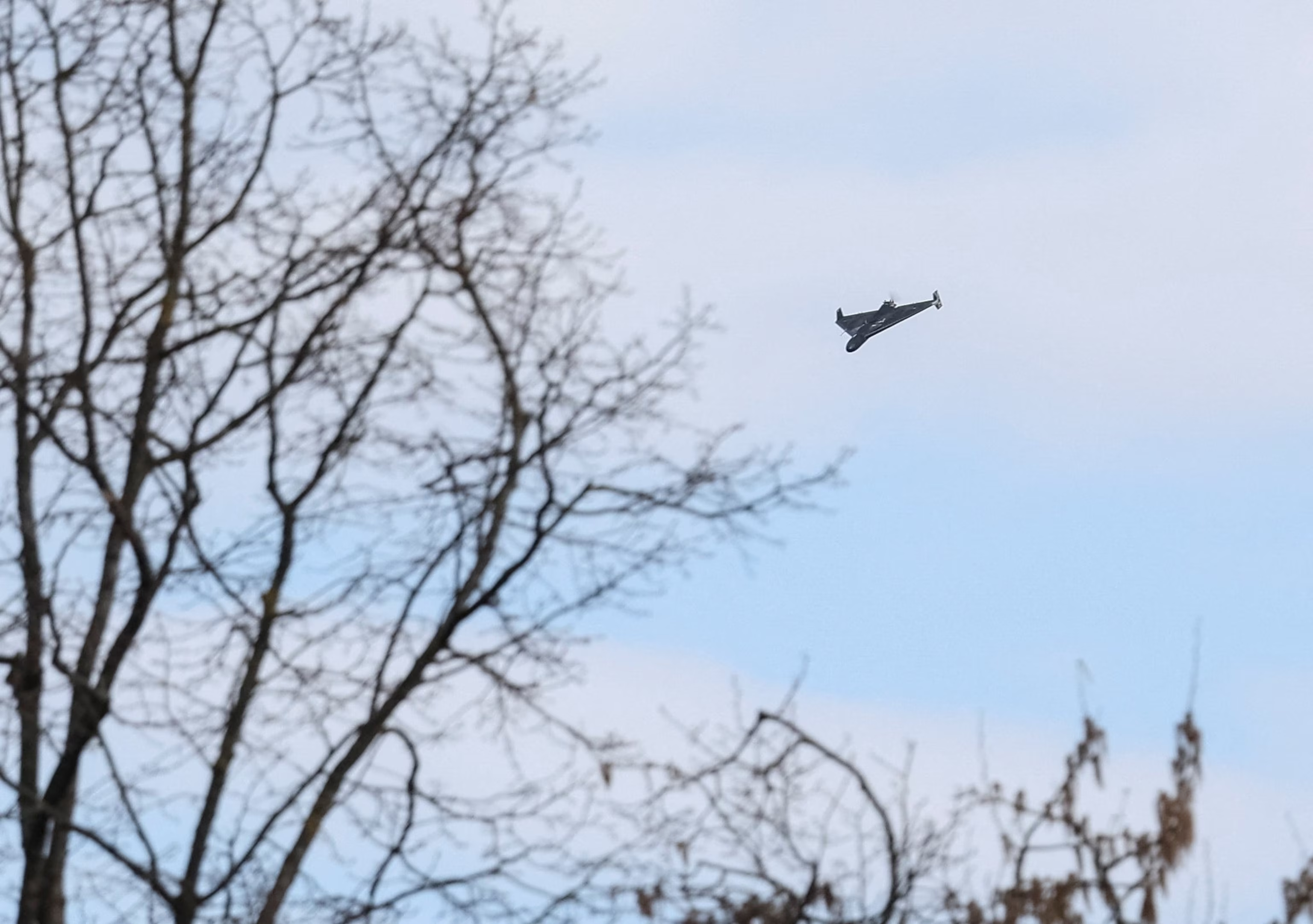
A Russian drone is pictured over Lviv, Ukraine, on March 24, 2026.Stringer/Reuters
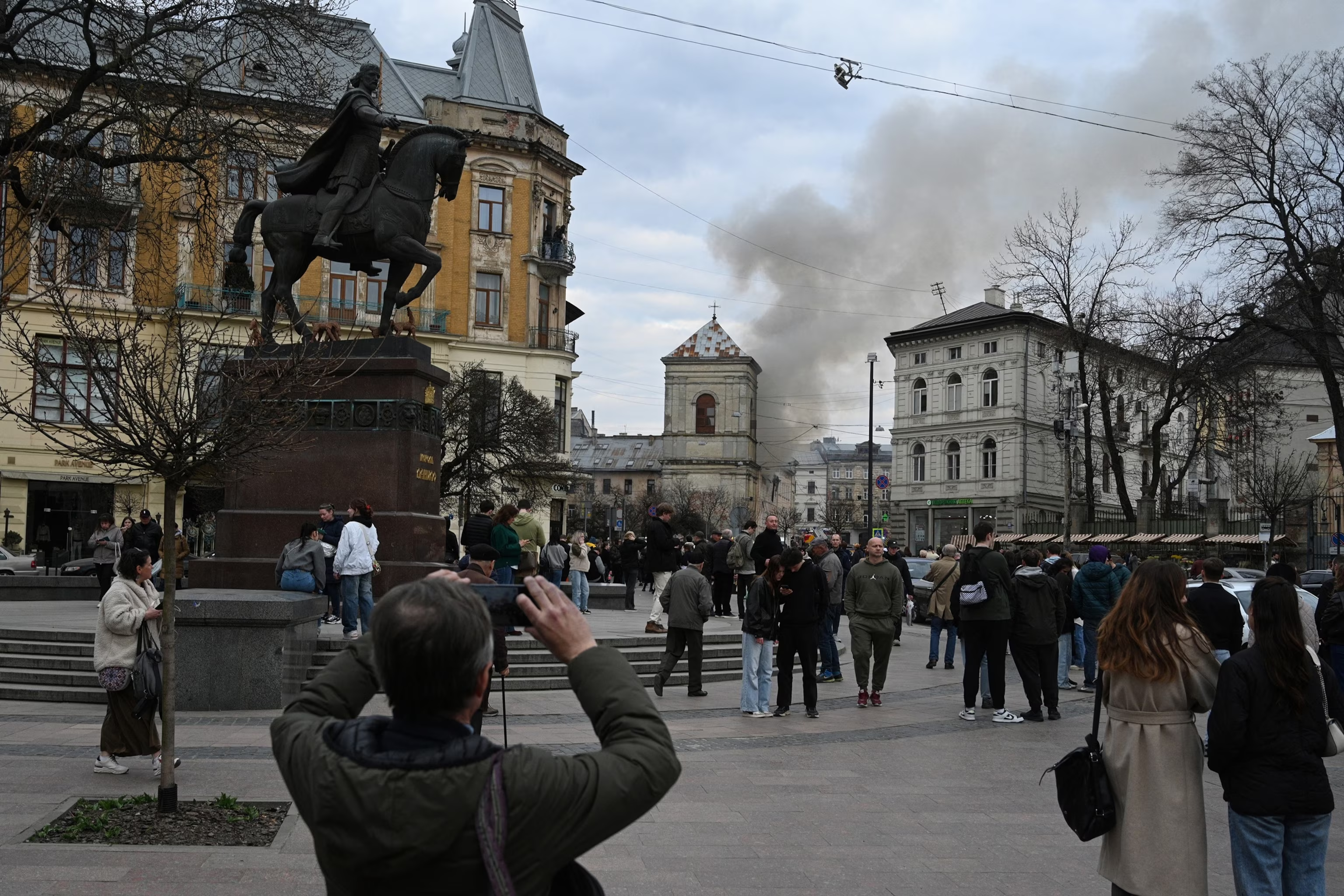
People look at smoke rising from a burning building following a Russian drone attack in Lviv, Ukraine, on March 24, 2026.Yuriy Dyachyshyn/AFP via Getty Images
“Never before in history has Ukrainian defense been so long-range and so felt by Russia,” Zelenskyy added. “We must make the cost of war absolutely unacceptable for the aggressor — and we will.”
To this day, the majority of Ukrainian strikes are believed to have been carried out utilizing relatively inexpensive, Ukrainian-manufactured drones. Increasingly, Ukraine is also deploying interceptor drones engineered and constructed by Ukrainian enterprises to obstruct approaching Russian strike drones.
Ukraine is presently producing its own cruise missiles — most notably the Flamingo, which Kyiv asserts possesses a range surpassing 1,800 miles — but its drone collection still constitutes the overwhelming proportion of projectiles reported as shot down by the Russian defense ministry, according to daily figures published by Moscow.
Over the previous year, Ukraine has placed a specific emphasis on attacking Russian oil refining and transport establishments, anticipating — as per Ukrainian leaders — to diminish a crucial funding source for Moscow and its armed forces.
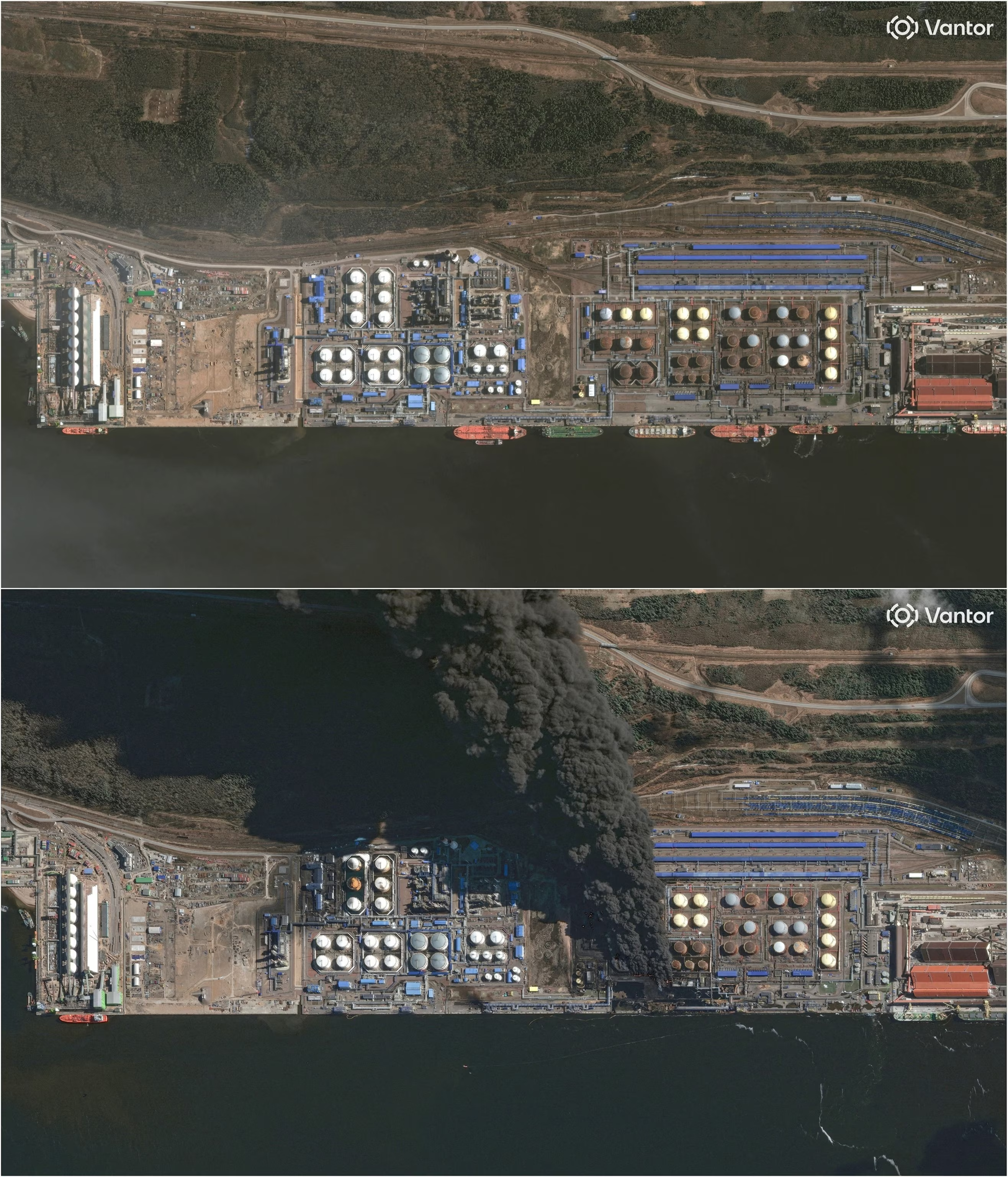
A satellite combination image shows Russia’s Baltic port of Ust-Luga, in Ust-Luga, Leningrad Oblast, on March 21, 2026 (top) and March 27, 2026.Vantor/via Reuters
Ukraine’s most prominent offensives of March occurred at Russia’s Baltic Sea ports of Ust-Luga and Primorsk – principal oil export centers. Kremlin spokesperson Dmitry Peskov condemned the offensives as “terrorist assaults.”
Zelenskyy stated in February that Russia’s energy sector is “a legitimate target” for offensives by Ukraine, given that Russia utilizes revenue from oil sales to acquire armaments employed to assault Ukraine.
“We do not have to choose whether we strike a military target or energy,” Zelenskyy said while addressing students at the National Aviation University in Kyiv. “He sells oil, takes the money, invests it in weapons. And with those weapons, he kills Ukrainians,” Zelenskyy stated of Russian President Vladimir Putin.
Russian authorities have largely sought to minimize the Ukrainian offensives, with the majority of reports concerning damage or casualties attributed to falling debris from intercepted drones, instead of crafts that achieved their target. When Russian authorities acknowledge damage, they often depict the offensives as “terrorist assaults.”
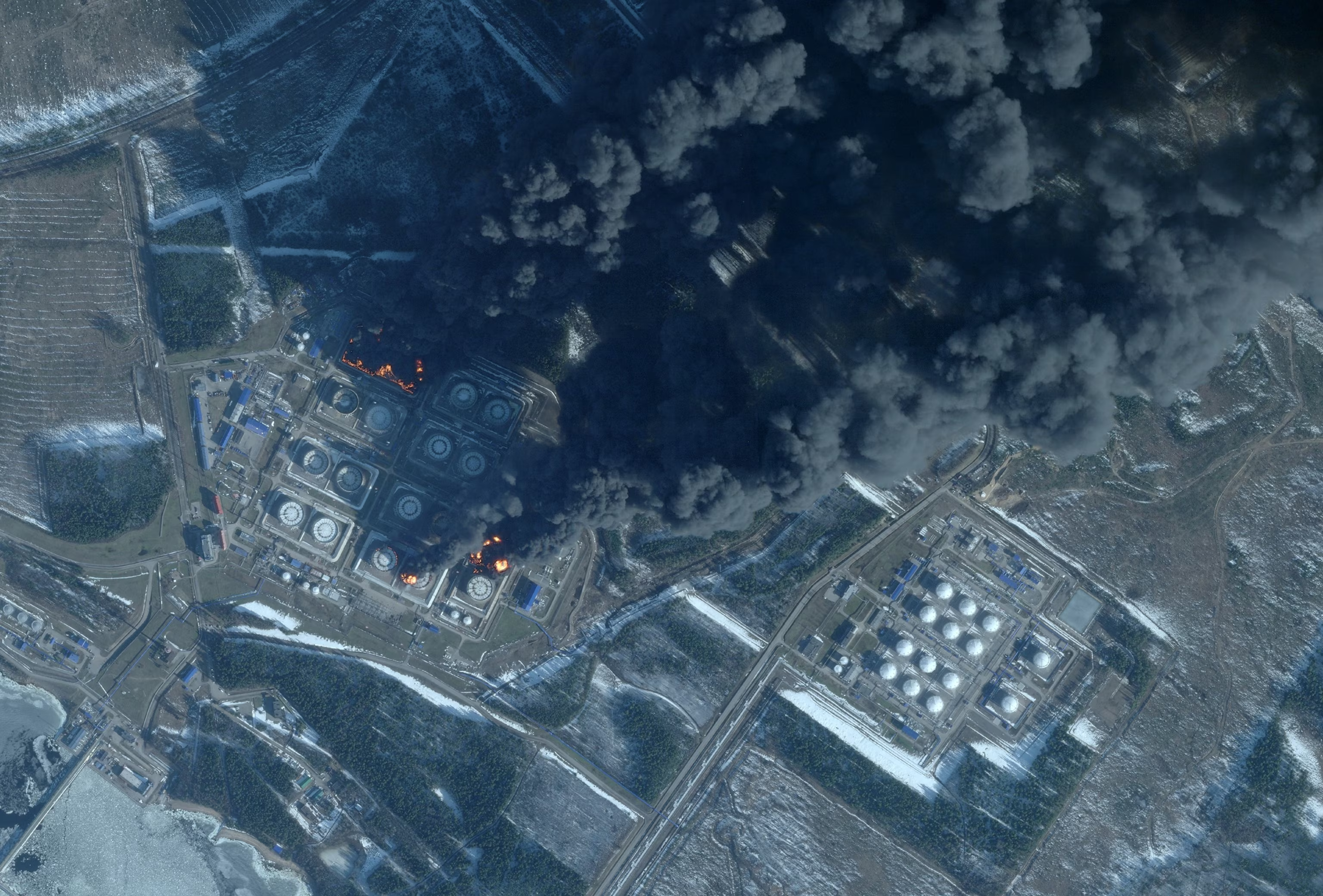
This handout satellite image taken on March 23, 2026 by Planet Labs PBC shows smoke rising from the Russian oil terminal at Primorsk, Russia.-/2026 Planet Labs PBC/AFP via Get
Nevertheless, a substantial volume of publicly accessible information – including video recordings and photographic documentation of the offensives – suggests that a notable quantity of Ukrainian drones do infiltrate Russian air defenses and impact sensitive military and industrial locations.
In the meantime, drone incursions into adjacent nations — among them NATO allies — have heightened apprehensions regarding the warfare spilling over into non-belligerent countries.
NATO aircraft are routinely mobilized in NATO nations such as Poland and Romania in response to Russian drone aggressions along Ukraine’s western frontiers.
Allied officials have documented Russian drone infringements in Romania, Poland, Lithuania, and Latvia. Russian drones have additionally overflown Moldova, which is not a NATO member. Russian authorities have refuted accountability for such incursions.
Stray Ukrainian drones have been reported as falling in Finland, Estonia, Latvia, and Lithuania.
ABC News’ Fidel Pavlenko contributed to this report.
Sourse: abcnews.go.com