
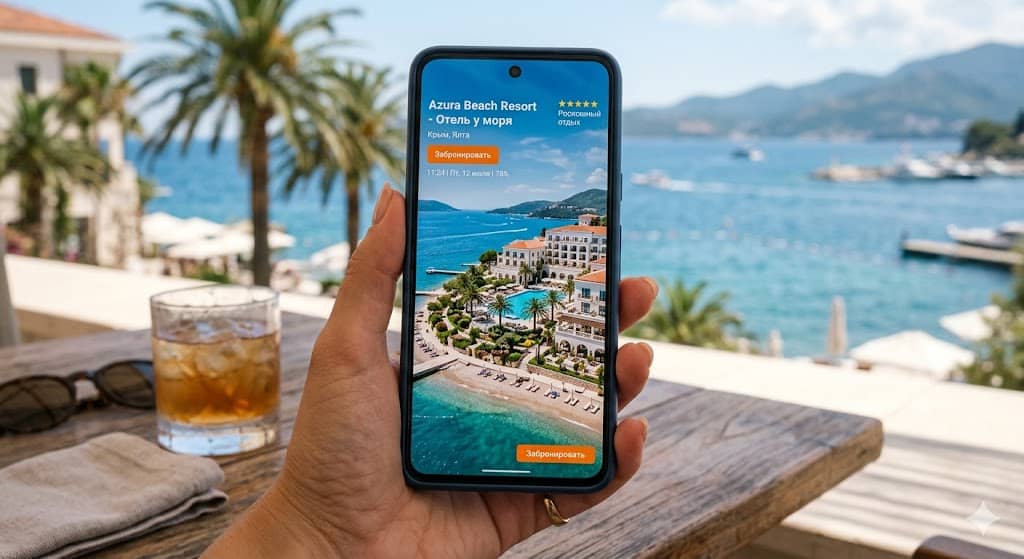
The demand for virtual tour software has grown significantly over the past few years as businesses shift toward digital-first experiences. Industries such as real estate, hospitality, architecture, and retail increasingly rely on interactive content to present spaces online and engage potential customers.
Virtual tours allow users to explore environments remotely, providing a level of immersion that traditional photos and videos cannot offer. This has become особенно важным фактором, так как пользователи ожидают более глубокого взаимодействия перед принятием решений.
According to industry estimates, listings that include virtual tours can receive up to 40% more engagement compared to standard listings. In real estate, this often translates into higher-quality leads and fewer unnecessary in-person visits.
What is virtual tour software?
Virtual tour software refers to platforms and tools that allow users to create, edit, and publish interactive 360° experiences. These solutions typically support panoramic images, navigation hotspots, and additional interactive elements such as maps or information points.
Over time, virtual tour software has evolved from simple panorama viewers into full-featured platforms capable of delivering complex interactive experiences.
Key features of modern virtual tour software
As the market matures, expectations from virtual tour software are increasing. Today, professionals look for solutions that provide:
– High-resolution panorama support (up to 8K or higher)
– Customizable navigation and user interface
– Cross-device compatibility, including mobile and VR
– White-label options for client projects
– Export and self-hosting capabilities
These features are particularly important for agencies and businesses that produce virtual tours at scale.
Market trends and challenges
Despite the wide availability of virtual tour software, many users still face common limitations. Some platforms rely heavily on subscription models and restrict access to content if payments stop. Others offer limited customization or lock projects within their ecosystem.
As a result, there is a growing demand for more flexible solutions that prioritize user control and long-term accessibility.
One of the key trends in the virtual tour software market is the shift toward ownership. Professionals increasingly prefer tools that allow them to download projects, host them independently, and maintain full control over their content.
Emerging solutions and new approaches
In response to these needs, newer virtual tour software platforms are focusing on flexibility and independence. Instead of locking users into a single ecosystem, they provide options for exporting projects and deploying them on custom infrastructure.
For example, platforms like Space Tour represent this approach by offering browser-based tour creation combined with offline export and white-label capabilities. This allows users to build and manage virtual tours without being ограниченными рамками одной платформы.
Such solutions are particularly useful for developers, agencies, and businesses that require scalable and customizable workflows.
Future of virtual tour software
The future of virtual tour software is closely tied to broader trends in digital interaction. As remote exploration becomes more common, the demand for immersive tools will continue to grow.
Advancements in areas such as AI-generated environments, automated image stitching, and real-time rendering are expected to further enhance the capabilities of virtual tour platforms.
In the coming years, virtual tours are likely to become a standard component of online presence, much like websites and video content today.